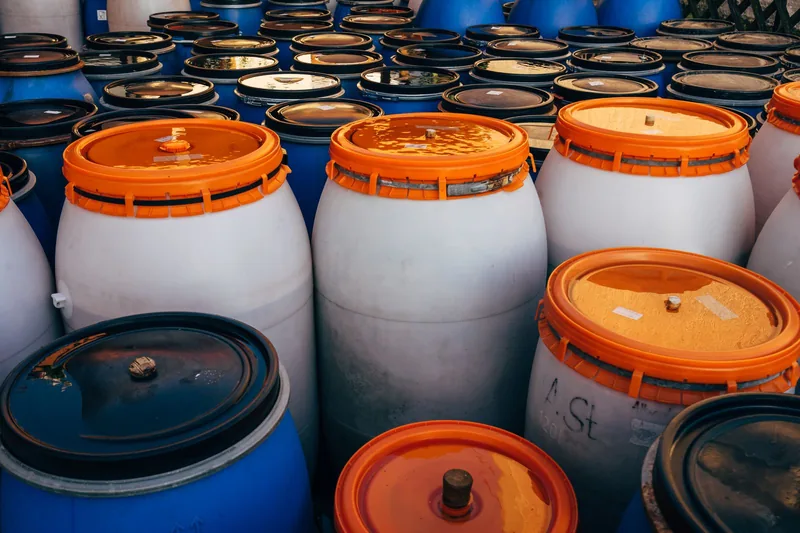
Hazmat Cleanup
Hazmat cleanup of hazardous materials with the right protective equipment.
See hazmat cleanupGet tear gas and pepper spray residue removed from a home, apartment, rental, vehicle or business after the property is released. Cleanup can include surfaces, contents, filters, vents and affected porous materials.
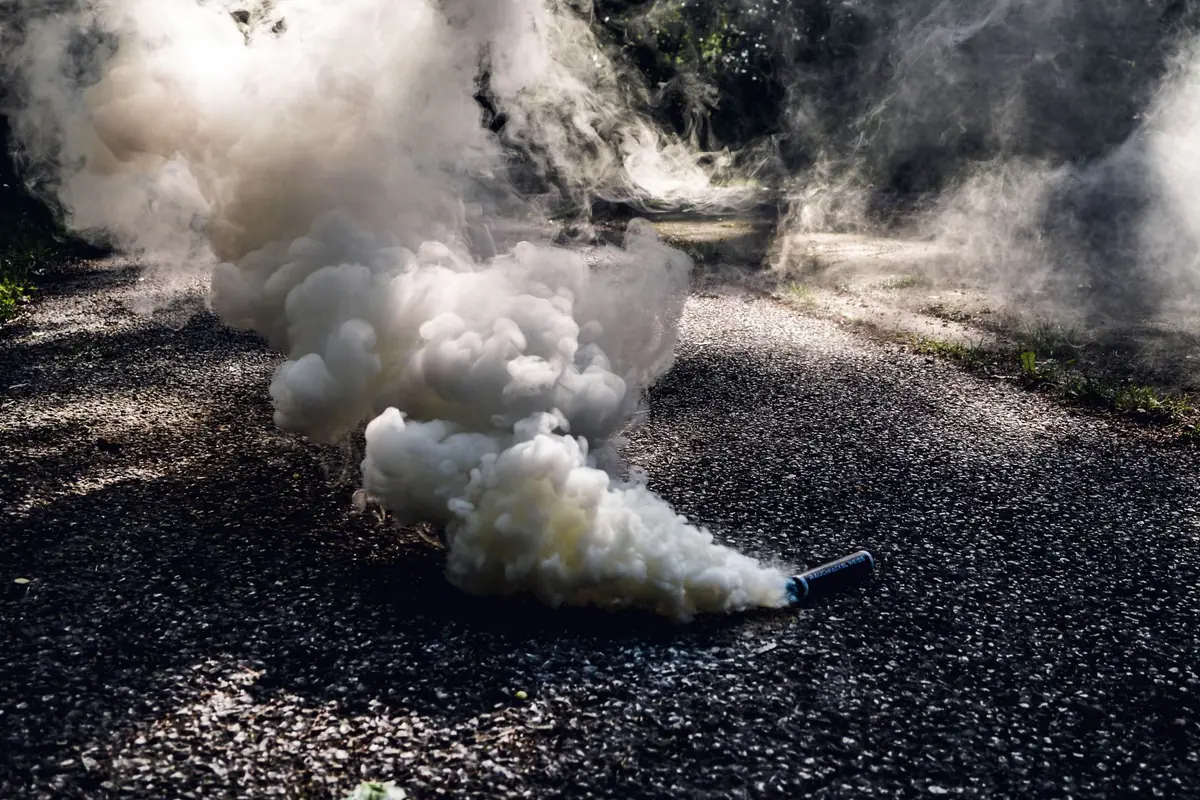
Tear gas cleanup is a controlled service that clears chemical irritant deposits following pepper spray use, a crowd-control event or law enforcement activity inside businesses, vehicles, rentals and homes.
Fine particles can stay on personal belongings, furniture, counters, flooring and walls even after visible smoke is gone. Nearby materials may also hold a film from pepper spray. Residue can reach places outside the original release when someone walks through the space, carries items away or turns on the air system.
When details about the product are available, professional cleaners first determine what was used and which spaces were reached. Trained technicians create separate work areas, use protective gear and collect loose particles. They then clean compatible surfaces in a planned sequence, repeating the work wherever residue persists. Ventilation, ductwork, filters, soft contents and objects that cannot be washed easily also shape the process. Biohazard remediation can become part of the scope if bodily fluids or blood are present too.

Phone help is available day and night. Crews protect your privacy after a hard incident by arriving in unmarked vehicles.
Sorting personal property based on material and condition gives you clear decisions about cleaning, isolation and removal.
In advance, the scope identifies included spaces, surfaces, contents and HVAC parts so you can evaluate the cleaning process and choose the right team.
To limit residue movement from the affected area to adjacent rooms, cleanup technicians follow clean paths between separated work zones.
An occupied property or vehicle needs tear gas removal when irritant material settles indoors. Where that material moved determines the scope for each event. You may encounter situations such as:
Residue spread to nearby belongings and surfaces after self-defense spray was discharged in a living area, hallway or bedroom.
Before considering a warehouse, public building, office or store safe for normal use, the space needs controlled cleaning.
An irritant released inside a car can settle on seats, carpet, trim, controls and ventilation surfaces in a confined cabin.
When residue may travel from a unit into common halls, nearby spaces or ventilation openings, the cleaning scope needs clear boundaries.
Your first priority is to leave the exposure area and avoid spreading residue. Keep loved ones away, then share what happened with trained professionals. Take these steps before a cleaning service enters:
Call (888) 351-0904Published tear gas pricing guidance identifies $1,500 to $4,000 as the small apartment range, $3,000 to $10,000 as the single-family home range and $10,000 to $50,000 as the commercial property range. The source is crimescenecleanup.com. These figures are planning information, not a quote. Your scope depends on the property's size, materials reached, air-system contamination, time elapsed since the incident and required cleaning rounds.
Published national cost guides are the source for these ranges, rather than an inspection of your property. After an on-site assessment, the price for your property is determined and shared with you before cleanup begins.
Ask about cost: (888) 351-0904Coverage for tear gas cleanup may be available through insurance. It depends on the cause, policy language and any exclusions. Make a prompt report of the loss, and request that the insurance company decide coverage using your particular claim.
Ask about cleanup aid if the incident resulted from a crime that meets program requirements. Victims of violent crime can ask the Illinois Attorney General's Crime Victim Services Division whether cleanup costs can be included in a compensation claim. Insurance is usually checked first..
For rental property, the owner or property manager generally organizes the assessment and cleaning. Who must pay may be determined by the circumstances, lease terms and wording of the policy.
While the affected area stays closed, ask whether policy coverage includes temporary housing, chemical residue cleanup, air-system work, personal property and damaged building materials.
Organize the police release, incident number, photographs, cleanup plan, materials list, receipts and disposal documentation together. This record can support insurance assistance and help you move forward with the claim.
The remediation process follows a controlled sequence from property release through final inspection. Tear gas cleanup involves decisions based on the affected rooms, materials and movement of air through the building.
Cleanup technicians assess the affected area, incident damage, exposed belongings, HVAC configuration, movement routes and original release location.
The scope lists rooms to isolate, surfaces to clean, contents to move, filters to address and materials that may need removal.
Technicians divide work areas from unaffected spaces and wear site-appropriate respiratory protection, eye protection, gloves and protective clothing.
Methods that control airborne dust are used to collect unsettled residue. Work moves from higher surfaces toward floors and from cleaner edges toward the release area.
Technicians wet-clean compatible surfaces, including cabinets, ceilings, fixtures, floors and walls, in detail. Areas with remaining irritation or visible film receive additional cleaning rounds.
Cleaning is matched to the finish of washable belongings and hard surfaces, limiting residue spread and preventable damage to materials.
Filters, return openings, supply vents and accessible air-system surfaces are checked when the system ran during or after the release.
The cleaned rooms, contents and connected areas are checked for missed residue, remaining odor and surfaces that need another cleaning pass.

Phone support stays available. You speak with a tear gas and pepper spray cleanup specialist who outlines the process and schedules a start time with you.
Residue left by pepper spray or tear gas may irritate the skin, eyes and breathing passages again once affected material or contaminated dust is moved. Direct questions about severe health concerns to a medical professional.
Beyond the original room, open doors, moving people and a running HVAC system can spread residue. Nearby travel routes and air returns need to be included in the assessment.
Fine particles can remain on shelves, floors, trim and hidden ledges after the air looks clear. Those particles can become airborne again through standard vacuuming or dry sweeping.
Upholstery, carpet, garments and similar soft surfaces can pass their residue onto your face and hands. You risk another exposure by handling those materials without suitable protective gear.
When a small blood spill is safe to clean yourself. Indoor releases are not the same as brief exposure outdoors. Do not mistake tear gas particles indoors for common dust, and avoid masking them with fragrance. Keep access closed and do not try DIY methods. Ask for a scope covering the air system, contents and surfaces.
One or multiple visits may be needed for tear gas cleanup, and the site assessment is what supports a responsible schedule. Work limited to a hard surface is usually simpler than a property where several rooms, porous contents or the air system are affected. Removal of drywall, carpet or other building components may be followed by restoration services.
| Scene | Typical time on site |
|---|---|
| Limited release on hard surfaces | Cleanup can sometimes be completed in one concentrated visit if exposure stayed localized |
| Home with contents or HVAC involvement | Allow time for containment, detailed cleaning and repeated passes |
| Large commercial or multi-room property | Cleaning can proceed room by room, allowing each space to be inspected before use resumes |
Odor work must start by clearing the residue itself. Quick airing, paint and fragrances may cover a smell but leave irritant material on wall surfaces, cloth, shelves or other places it settled. The absence of a strong smell is not evidence that people can safely return to the area.
Air quality work should follow the contamination path. That can include controlled ventilation, replacement of affected filters, cleaning around returns and supply vents, and attention to dust on accessible air-system surfaces. HEPA air cleaning can support the work, but it does not replace surface cleaning or removal of contaminated materials.

Law enforcement controls access while an incident remains active or evidence is being collected. Only after release should anyone enter the site, shift property or begin the cleanup.
Product information, safety data and accessible canister labels can support irritant identification and surface-compatible cleaning choices. Do not touch a device to read it.
Waste classification depends on the material and residue involved. Local rules establish the waste disposal route and whether removed material counts as hazardous waste. Illinois treats soaked materials from a biohazard scene as potentially infectious medical waste (PIMW). Illinois EPA rules control how it is packed, transported and treated, so it cannot go in household trash.
When bodily fluids or blood are part of cleanup, federal OSHA Bloodborne Pathogens Standard 29 CFR 1910.1030 establishes requirements for worker protection, training and handling.
One or multiple visits may be needed for tear gas cleanup, and the site assessment is what supports a responsible schedule. Work limited to a hard surface is usually simpler than a property where several rooms, porous contents or the air system are affected. Removal of drywall, carpet or other building components may be followed by restoration services.
The full tear gas and pepper spray cleanup guide covers what is cleaned or removed, odor and air quality work, and the rules that apply in Lake County and Illinois.
Read the full tear gas and pepper spray cleanup guide
Planning for access, containment and cleanup can depend on local population, housing and entry conditions.
At 7.7% renter occupancy, most housing is owner occupied, which can reduce the number of parties involved in cleanup authorization.
In housing built around 2003, selective removal can expose affected layers without disturbing finishes outside the cleanup boundary.
The 27 older residents who live alone may rely on family or neighbors to notice when something is wrong at home.
Because 100.0% of local housing is single-family, owners often can make direct decisions about removing affected structural materials.
Ask on the call about cleanup options for neighboring communities and ZIP codes.
Hazmat cleanup of hazardous materials with the right protective equipment.
See hazmat cleanup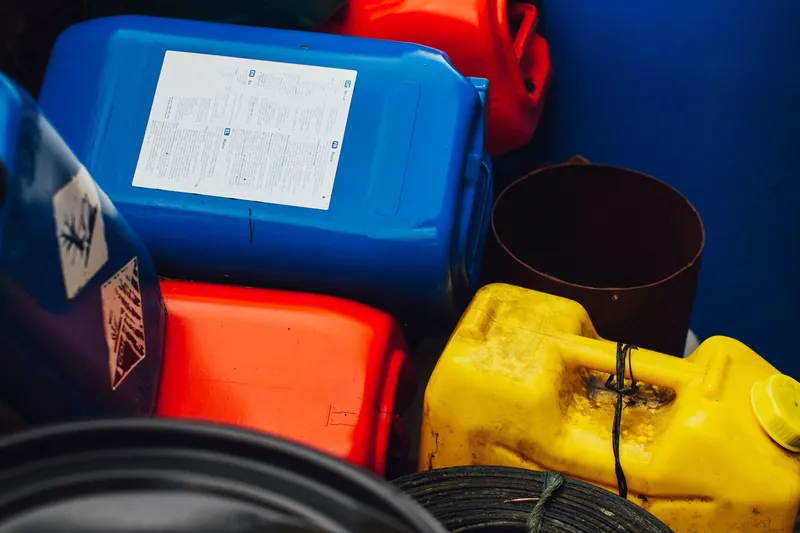
Toxic and chemical waste cleanup includes safe disposal.
See chemical and toxic waste cleanup
Crime scene cleaning after police release the property, from blood to odor.
See crime scene cleanup
Full decontamination of rooms, surfaces and air after infectious or hazardous exposure.
See biohazard decontamination
Biohazard cleanup for commercial and industrial spaces is completed with limited downtime.
See commercial and industrial biohazard cleanup
Hotels, rental properties and Airbnb units receive biohazard cleanup.
See hotel, airbnb and rental biohazard cleanup
Biohazard cleanup treats cars, trucks, boats and RVs.
See vehicle biohazard cleanup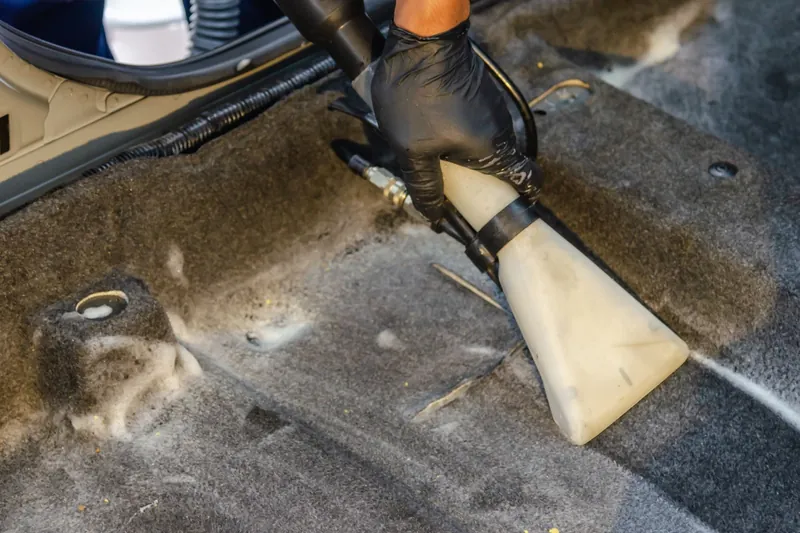
Carpet and upholstered items receive biohazard cleaning or are removed safely if necessary.
See biohazard carpet and upholstery cleaningCoverage depends on your policy, what caused the release and any exclusions that apply. Promptly report what happened and ask whether personal property, a temporary place to stay, air-system work, damaged building materials and chemical deposit cleaning are covered. Your insurance company may need the police release, pictures, cleanup scope, receipts and disposal paperwork, so retain them.
The cited guide puts tear gas cleanup cost at $10,000 to $50,000 for commercial property, compared with $3,000 to $10,000 for a single-family home and $1,500 to $4,000 for a small apartment. Your scope depends on the size of the space, air-equipment involvement, affected surfaces, age of the residue and additional cleaning passes.
A universal household mixture for safely neutralizing any tear gas product on any material does not exist. Never blend cleaners together, and do not cover the floor with powders. Professional cleanup maps exposed surfaces, collects loose particles, uses wet cleaning on suitable materials, treats soft belongings and inspects the HVAC route. A single cleaning pass is not always sufficient.
Both call for exposure control and detailed residue removal, but the products and carriers can differ. The cleaning method must fit the substance and the surface. Pepper spray tends to coat surrounding finishes and fabric, but tear gas dispersed through a building can spread fine deposits across a larger area.
Small-scale outdoor contact and the release of irritant indoors require different responses. Home cleanup methods such as sweeping, standard vacuuming or relocating textiles may distribute residue. Interior cleaning may need to address possessions, ceilings, walls, air equipment and porous materials that cannot undergo washing. A professional assessment outlines the cleaning process in advance and gives you clear boundaries for the affected area.
Leave the exposed area for clean air, avoid touching your eyes and follow the directions of medical or emergency personnel. Take your contacts out when they can be removed without difficulty. Severe pain, trouble seeing or breathing and symptoms that persist all require immediate medical help. Cleaning work at the property must wait until there is no longer an exposure emergency.
Respectful, discreet tear gas and pepper spray cleanup is available 24 hours a day, and crews arrive in unmarked vehicles.