
Biohazard Decontamination
Complete decontamination treats the room, its surfaces and the air after a hazardous or infectious exposure.
See biohazard decontaminationHave blood, bodily fluids and infectious materials cleared from a home, workplace or vehicle. Cleanup includes containing the affected space, removing contamination, disinfecting it and taking the waste to an appropriate disposal facility.

Biohazard cleanup is controlled removal of material that might carry harmful microorganisms. It also includes cleaning and disinfecting blood, bodily fluids and other contamination.
Biohazards may follow an injury or death, a crime scene, backed-up sewage, an infectious illness or extreme hoarding. They can occur outdoors or inside a vehicle, hotel, business, apartment or house. The aim is to control the surrounding space, locate all contamination, discard what cannot be cleaned and disinfect everything suitable to remain.
Biohazard cleaning is different from ordinary house cleaning. Trained technicians use protective equipment, controlled work zones and products chosen for the material involved. They follow the label contact time for EPA-registered disinfectants. Waste is sealed, labeled and moved under the rules that apply in your state, instead of being placed loose in household trash.

You hear what is affected, what can stay, what must be removed and which steps are proposed before cleanup begins.
You can help evaluate personal property if conditions permit. Valuable belongings are set apart for safe return, specialized attention or cleaning.
Photos, the work scope, invoices and available disposal records can be organized for your insurance claim and property file.
Discretion protects your privacy during the work. Crews arrive in unmarked vehicles and limit the work zone so attention stays away from your property.
Biohazard cleanup services are appropriate when ordinary cleaning could expose you to bloodborne pathogens, infectious material or contaminated waste. Common situations include:
Hoarding cleanup services may be needed when human waste, animal waste, spoiled material, sharps or other contamination is mixed with household contents.
Once property release comes from the medical examiner or local law enforcement, damaged surfaces, bodily fluids, lasting odor and remaining belongings may be addressed through death cleanup.
Blood may spread beneath carpeting, between floorboards, through grout and onto surrounding possessions. A biohazard cleaner checks beyond the visible stain and treats the complete affected area.
Crime scene cleaning begins only after the scene is released. It can cover surface disinfection and odor control, plus blood cleanup, waste disposal and fingerprint powder removal.
Start by keeping people from making contact with the material or carrying it elsewhere. While professional cleaning is being arranged, follow these steps:
Call (888) 351-0904Work may be limited to one hard surface, or fluids may have soaked into several rooms, so published cost guides cover a broad range. The residential average in Yelp Costs starts at $1,800 and goes to $4,500. Fixr puts the typical national range at $3,000 to $5,000 and its full published span at $1,500 through $25,000. An assessment is possible only after identifying affected materials and disposal needs.
Published national cost guides are the source for these ranges, rather than an inspection of your property. An on-site assessment determines your property's price, which is explained to you before the cleanup starts.
Ask about cost: (888) 351-0904Insurance may pay for biohazard cleanup when the policy covers its cause. Coverage depends on the event and the policy's limits, deductible and exclusions.
Who is responsible may be determined by local requirements, the cause, lease terms and the event location. Renters and property owners should photograph or document the area, then notify their insurers before relocating items.
Tell your insurance company about the event without delay and check whether cleanup, restoration, building materials and personal property are covered. Hold onto the claim identifier and the adjuster's phone and email details.
Find out what documentation your insurance company requires. A documented work scope, pictures, billing records and disposal paperwork can assist with the claim evaluation.
Victims of violent crime can ask the Illinois Attorney General's Crime Victim Services Division whether cleanup costs can be included in a compensation claim. Insurance is usually checked first.
The cleanup process is planned around the type of material, the surfaces it touched and the path it may have taken. Each step keeps contamination controlled while the property moves toward safe use again.
Cleanup technicians inspect the contaminated and surrounding areas, note which materials are porous or non-porous, document their findings and explain the planned work to you.
The affected work zone is isolated from uncontaminated rooms. Technicians use personal protective equipment suited to the exposure and may control airflow when particles or odor could travel.
Contaminated absorbent materials, such as carpeting, underlay, wallboard, insulation, mattresses or bare wood, may be removed and sealed in containers.
Disinfectant must contact the surface to work, so visible material is cleaned away beforehand. The finish determines which method and equipment are used.
Cleaned surfaces are treated with an EPA-registered disinfectant and kept wet for the full contact time printed on the product label.
Source material is removed before air treatment. The choice of HEPA air scrubbing or another odor method depends on how the space is occupied, its contents and the room itself.
Waste is packaged and labeled for the applicable disposal route. Documentation may identify removed material and its destination.
The work area is checked after cleaning. You learn what cleanup was performed, what material was discarded and what rebuilding may be required next.

Phone support stays available. A specialist in biohazard cleanup takes your call, walks you through the process and confirms when work can start.
A fast wipe may not make biohazard contamination safe. You could encounter infectious material, hidden spread below the surface or objects capable of causing punctures.
Blood can potentially contain HIV, hepatitis C or hepatitis B. According to the CDC, hepatitis B remains viable on surfaces for at least seven days, which means dry blood must still be cleaned and disinfected carefully.
Sharp metal, used needles and fragments of glass may cut through gloves and bags. Each contaminated material must follow a suitable disposal route in the correct kind of container.
Fluids may seep behind finished walls, beneath molding, across carpet and between subfloor seams. The visible mark may show only part of the affected area.
When a small blood spill is safe to clean yourself. Wearing disposable gloves, you may address a very small amount spilled on sealed, non-porous material by applying an EPA-registered disinfectant for every minute of label contact time. You should not clean when you cannot identify the entire affected area, sharp objects are present, or bodily fluid reached drywall, furniture, carpeting or wood.
Accessible contamination can often be cleaned from non-porous surfaces without removing them. Absorbent materials are taken out if deeply soaked fluid prevents thorough cleaning and disinfection.

The OSHA Bloodborne Pathogens Standard, 29 CFR 1910.1030, sets requirements for worker exposure controls, protective equipment, training and related practices when blood exposure can occur.
A disinfectant must be suitable for the target organism and surface. Label instructions cover required safety measures, dilution, pre-cleaning and the complete time the product must remain in contact.
Illinois treats soaked materials from a biohazard scene as potentially infectious medical waste (PIMW). Illinois EPA rules control how it is packed, transported and treated, so it cannot go in household trash.
In Cook County, the Cook County Medical Examiner's Office investigates sudden and unexplained deaths. Cleanup starts after police or the medical examiner release the scene.
The area size, material types and depth of contamination determine the time required. Cleaning a small hard-surface area can take a single work visit, but structural removal, several affected rooms or odor that persists may mean repeated visits followed by restoration.
The full biohazard cleanup guide covers what is cleaned or removed, odor and air quality work, and the rules that apply in Illinois and Cook County.
Read the full biohazard cleanup guideContainment, entry and cleanup plans can be influenced by local housing, population and access details.
In an area with 18.3% renter occupancy, direct homeowner approval can simplify choices about opening walls or replacing affected finishes.
Because the median home dates to 1961, cleanup plans should distinguish washable surfaces from absorbent carpet, padding, and wallboard.
About 984 older residents live alone in Homewood, equal to 28.7% of seniors and still relevant to welfare planning.
The 80.2% single-family share means odor may move through connected rooms and ventilation even without shared walls between households.
You can ask about cleanup in nearby communities and ZIP codes during the call.
Complete decontamination treats the room, its surfaces and the air after a hazardous or infectious exposure.
See biohazard decontamination
Biological remediation removes contamination so the space can be safely used again.
See biohazard remediation
Blood cleanup clears blood from furniture, walls, hard floors and carpet, followed by safe disposal.
See blood cleanup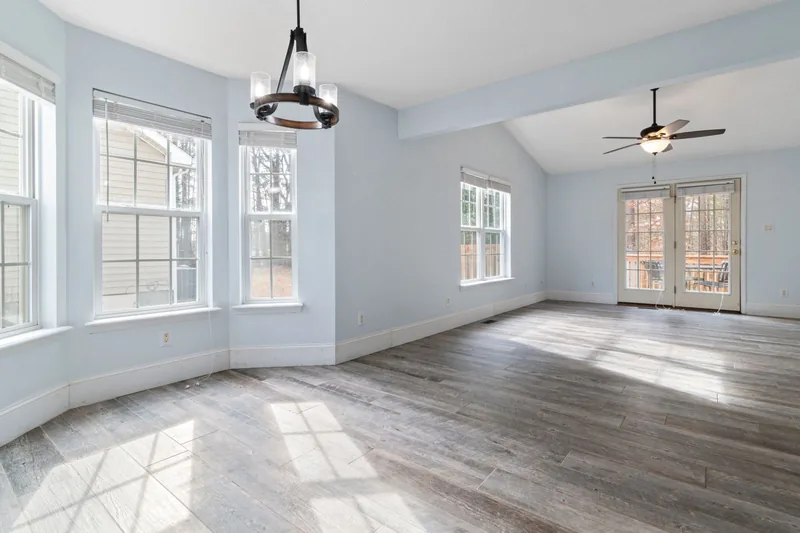
Cleanup when a death went unnoticed for days, with decomposition and odor control.
See unattended death cleanup
Trauma scene cleanup is needed after violent events, accidents and injuries.
See trauma scene cleanup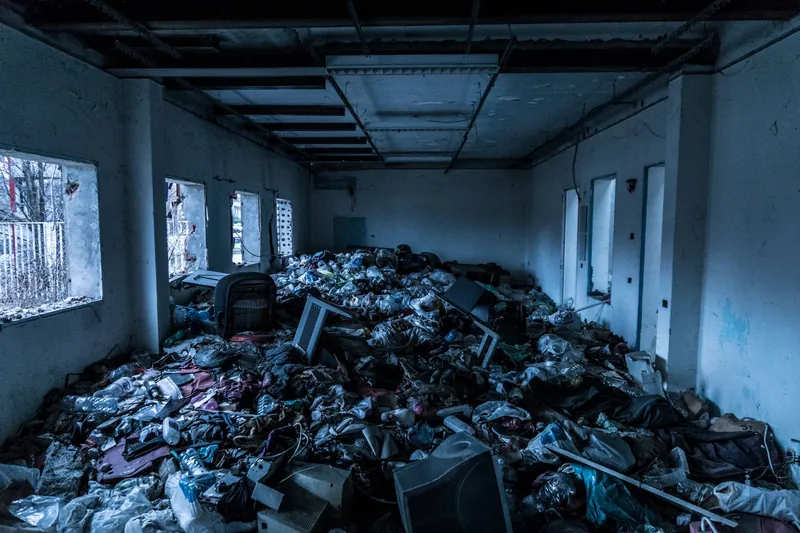
Deep cleaning, respectful sorting and removal are all part of hoarding cleanup.
See hoarding cleanup
Raw sewage cleanup of Category 3 black water, with disinfection and drying.
See raw sewage cleanup
Disinfection for infectious disease uses EPA-registered products with complete coverage of surfaces.
See infectious disease disinfectionTiming depends on the number of affected rooms, the surfaces involved and how far fluids traveled. One work visit may be enough for a small area limited to hard surfaces. When the work includes several rooms, carpeting, drywall, subfloor or lasting odor, cleanup may extend across multiple visits. A separate timeline may apply to rebuilding removed materials once remediation is complete.
Biohazard cleaning is a controlled process for removing visible contamination, taking out materials that cannot be disinfected, cleaning remaining surfaces and applying a suitable disinfectant for its full contact time. It also covers secure containment and disposal of contaminated waste, with odor treatment if the source reached porous items or the air.
Your first step is to leave the affected area and keep everyone else, including animals, outside. Avoid touching the material or using a broom or vacuum on it. Contact emergency services when someone faces danger, and do not enter an active scene until law enforcement releases it. Anything larger than a tiny hard-surface spill calls for professional biohazard cleanup.
Removal of the deceased is completed by the funeral home or medical examiner, not cleanup of the affected room. After authorities release the scene, the property owner, family, landlord or another responsible party arranges death cleanup. Loved ones do not need to enter the space while a biohazard cleaning company addresses contaminated materials, bodily fluids, disposal and odors.
Yes, as long as cleanup identifies and removes the source of the odor. Cleanup may require taking out contaminated carpet, pad, drywall, furniture or other porous material before treating the air. After disinfection and cleaning, workers may inspect nearby vents and use a suitable odor method, including HEPA air filtration, for any smell that remains.
It may qualify for coverage when the cause of contamination is an event included in your policy. Coverage depends on the policy and still follows all applicable limits, deductibles and exclusions. Before moving damaged materials, promptly tell your insurance company what happened, obtain a claim number and learn which records the adjuster requires.
You can request respectful, discreet biohazard cleanup 24 hours a day, and crews use unmarked vehicles.