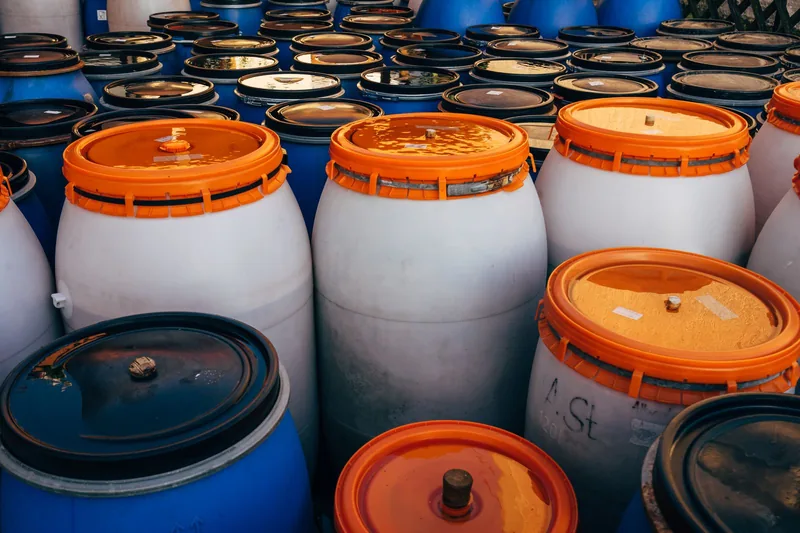
Hazmat Cleanup
Hazmat cleanup of hazardous materials with the right protective equipment.
See hazmat cleanupGet help with chemical spills, toxic residue, damaged containers and contaminated materials in Hodgkins. The substance is identified before the cleanup method, packaging and waste route are chosen.

Controlled removal of spilled substances, chemical residue, damaged packaging and anything contaminated by the material is chemical and toxic waste cleanup. Cleaning the surfaces and disposing of waste properly complete the work.
The cleanup process begins by finding out what material is present. A product label, safety data sheet, shipping record or report from emergency responders can guide that decision. The chemical identity matters because a method that is safe for one substance may react with another. Unknown liquids and powders should not be touched, smelled closely or mixed with a cleaner. The entire process must follow the hazards of the identified substance.
Homes and garages may need chemical cleaning services, as may rental properties, cars, workshops, warehouses and commercial spaces. The work defines both the contaminated zone and nearby space, selects suitable protective equipment, prevents residue from traveling and sorts items that can be cleaned from waste requiring hazardous disposal. If bodily fluids, animal waste or another biohazard is found, the appropriate team treats that contamination through a separate biohazard remediation process.
The known material, remaining unknowns and purpose of proposed removal, containment and cleaning steps are explained to you before the job advances.
Items are separated by surface and exposure. One chemical treatment is not applied to every piece of personal property when it could worsen the damage.
Daytime and nighttime calls are answered, with arriving crews using discreet, unmarked vehicles. You have an opportunity to discuss the material, property type and current issue before access arrangements are made.
Property owners and other responsible parties can receive arranged waste documents, photographs and cleanup scope details, as can insurance companies. Restoration services can use the documentation to see which materials were taken out prior to repairs.
When contamination extends beyond a small surface you can clean, professional cleanup may be appropriate. The same applies if fumes or reactions are possible, the substance is unknown, or its label warns against regular disposal. Each plan is shaped by the affected surfaces and the specific material. Typical situations include:
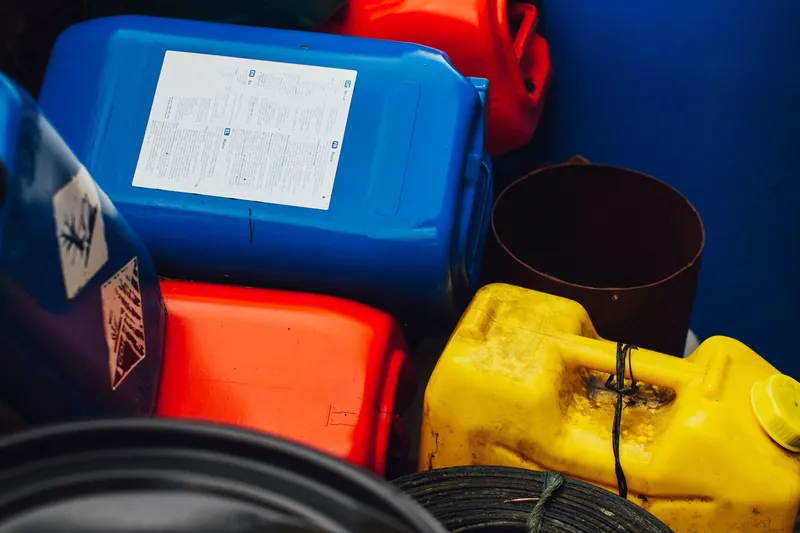
Old drums, bottles and assorted waste require separation without opening the containers, mixing anything together or emptying the contents.
A process spill or damaged container can call for restricted entry, documentation and coordination with whoever manages safety at work.
A leak involving cleaners, pesticides, fuels, workshop supplies or pool products may reach cabinetry, flooring and belongings close by.
A spill in a trunk or passenger area can soak carpet, padding, trim and cargo, creating both residue and persistent odor.
Protect yourself from exposure first, and avoid carrying the substance into other spaces. Only take actions that let you remain a safe distance from the affected area:
Call (888) 351-0904A range of $30 to $50 per barrel is the only hazardous chemical figure listed in the published project cost data. It applies as a disposal guide rather than a total price for cleanup. The overall scope can change with material identification, containment, packaging, labor, transportation and removal of affected surfaces, so the actual substance and contaminated areas must be assessed.
National cost guides that have been published supply these ranges, not a visit to the property. You learn what your property will cost after the on-site assessment and before any work begins.
Ask about cost: (888) 351-0904Coverage is determined by your policy, the reason for the chemical release and the person who owned or controlled the substance. Assistance with an insurance claim may include arranging the work scope, receipts and photos, although only the insurer makes the coverage decision. Notify the company quickly and find out which documents it requires.
Responsibility may involve the property owner, renter, employer, contractor or whoever brought in the material. Who is responsible for payment can depend on the lease, work contract and insurance wording.
Each business policy differs. A business or property owner should notify the insurance company, retain documentation and labels, and check coverage for damaged belongings and environmental cleanup.
Confirm whether testing, chemical cleanup, hazardous waste disposal, contents and restoration are covered. Also ask about your deductible and all required receipts, reports and photos.
Renters and homeowners coverage may distinguish certain abrupt spills from slow leaks, pollutants excluded by the policy and improper storage. Before you authorize non-emergency work, ask how the cause is classified.
The substance determines how remediation proceeds, so the work must not rely on one standard method for every situation. Trained professionals examine product facts and site information, then order the work around the known hazards. Typical stages of chemical cleaning are:
Before moving anything, technicians examine labels, site details and safety data, then outline surrounding areas and the affected area.
A controlled work area with limited access keeps tools, shoes and circulating air from moving contamination to other places.
Protective clothing, gloves, breathing protection and eye gear are chosen according to the identified danger and type of work.
Without combining materials that may react, technicians package recoverable liquids, damaged containers and powders in suitable sealed vessels.
Carpet and pad, wallboard, insulation and absorbent vehicle parts are taken away when safe and complete cleaning cannot be achieved.
Compatible hard surfaces are cleaned with a method chosen for the substance, surface and manufacturer instructions.
After packaging and labeling, waste goes to a suitable facility based on its type and the rules that apply.
The work area is checked for remaining residue, odor and tracked contamination, and cleanup and waste records are organized for you.

You can call anytime. Your chemical and toxic waste cleanup specialist answers the phone, describes what happens next and works with you on a start time.
Chemicals can affect the nervous system, lungs, eyes and skin when exposure occurs. Proper precautions vary according to the material and how concentrated it is.
Combining chemical containers, using a drain for disposal or throwing hazardous waste into household trash can cause a fresh reaction and extend the exposure.
Liquids, powders and residue can splash or transfer from shoes, tools and gloves. Product documentation should direct decontamination measures and the selection of protective equipment.
Carpet, padding, unfinished wood, drywall and upholstery can absorb contamination. Wiping the top may not remove chemicals absorbed underneath.
When a small blood spill is safe to clean yourself. Only clean a small spill yourself when the product identity is certain, clear label directions are available, everyone is symptom-free and you can complete each required safety measure. If the product is unknown, reactive, strongly odorous or spread into a porous surface, keep out and seek professional cleanup or emergency guidance.
The substance involved, the type of surface and the depth it reached determine whether an item can remain. Identifying the chemical before deciding helps prevent concealed residue from staying in place.
Chemical cleanup time can only be set safely after identifying the material and understanding its quantity and spread. A known chemical on a reachable hard surface creates a simpler job than an unidentified product that entered soil, floors, wall cavities or several rooms.
| Scene | Typical time on site |
|---|---|
| Limited hard-surface contamination from a known product | Checking the product label and affected material sets the timing |
| Chemical absorbed into porous materials | The process takes longer when materials must be removed, packaged and discarded |
| Unknown material or broad contamination | Hazards and control measures must be established before work starts |
Source identification followed by source removal comes first in chemical odor control. Covering a smell with fragrance, general deodorizer or air freshener does not eliminate chemical residue. Even air movement must be selected carefully. A fan could push vapors or particles into other spaces.
After contaminated materials and residue are removed, the work area can be checked for remaining odor and tracked material. Ventilation, filtration or other air treatment should match the known substance. Ozone and heat are not universal chemical cleanup tools, and they should not be used as substitutes for source removal or chemical-specific guidance.

Chemical cleanup time can only be set safely after identifying the material and understanding its quantity and spread. A known chemical on a reachable hard surface creates a simpler job than an unidentified product that entered soil, floors, wall cavities or several rooms.
The full chemical and toxic waste cleanup guide covers what is cleaned or removed, odor and air quality work, and the rules that apply in your state.
Read the full chemical and toxic waste cleanup guideLocal population patterns, housing and site access may affect how containment and cleanup are planned.
The 14.3% renter share suggests many residents can make direct decisions about removing contaminated flooring, walls, or personal items.
Homes centered around a 1994 build year may have open layouts, which can allow odor to reach adjoining living areas.
A 60.1% share of seniors living alone matters because longer discovery times can allow odor and contamination to spread farther.
Because just 17.0% of housing is single-family, cleanup may require protecting elevators, corridors, and neighboring occupied areas.
Your phone conversation can include questions about service in nearby ZIP codes and communities.
Hazmat cleanup of hazardous materials with the right protective equipment.
See hazmat cleanup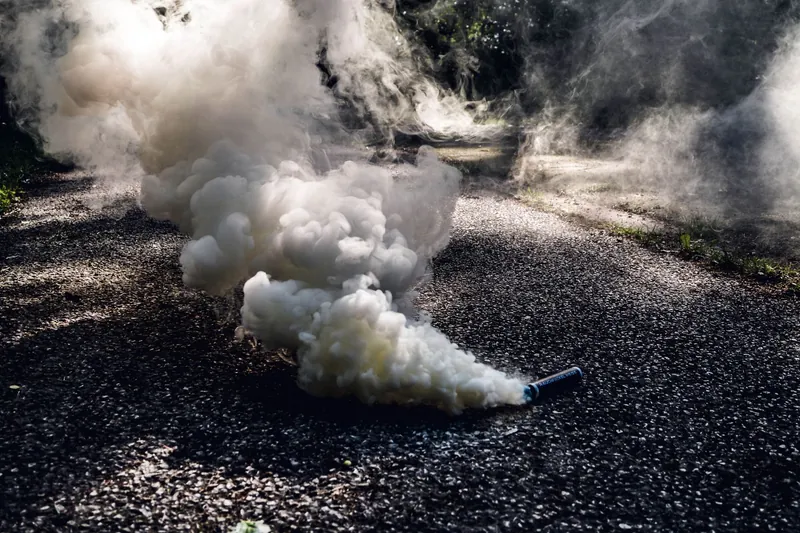
Cleanup removes pepper spray and tear gas residue left by self-defense or police use.
See tear gas and pepper spray cleanup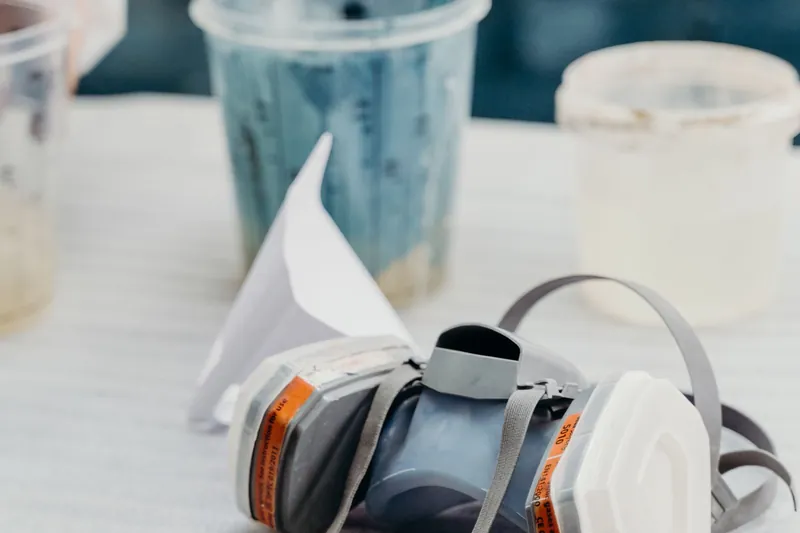
Meth lab cleanup includes testing for residue, decontaminating the space and completing clearance steps.
See meth lab cleanup
After fentanyl exposure, decontamination addresses rooms, vehicles and other surfaces.
See fentanyl decontamination
Indoor growing can leave chemicals, mold and property damage that grow house cleanup removes.
See marijuana grow house cleanup
Medical waste removal covers disposal through an approved facility used for treatment.
See medical waste removal
Sealed containers with labels hold biohazard waste during collection and disposal.
See biohazard waste disposal
Vehicle biohazard cleanup for cars, trucks, boats and RVs.
See vehicle biohazard cleanupHow the material escaped and what the policy says determine the answer. Coverage treatment can differ between a sudden accident and slow leaks, excluded pollution or inadequate storage. Notify your insurance company quickly, safely retain labels and pictures, and confirm coverage for cleanup, waste disposal, affected belongings and restoration.
Human waste should be treated as biological contamination rather than only as a toxic chemical. Dried material may send contaminated particles into the air when disturbed, and a large buildup can produce irritating smells and poor air quality. Use no mixture of cleaners on that material. Keep away, ventilate only when safe, and seek urgent help for breathing trouble.
The phrase can describe a vehicle contaminated by bodily fluids, a hazardous chemical, or both. The term does not establish what material is present or how far damage extends. Prior to buying or driving the car, obtain records for the incident and cleanup and get its carpet, trim, padding and airflow routes assessed.
Infectious substances, including blood, certain animal waste and bodily fluids, are biological hazards. Chemical hazards come from a substance's toxic, corrosive, reactive or flammable properties. Both hazards can occur together. The distinction affects protective gear, cleaning products, packaging and waste disposal, so identification is an important first step.
Avoid trying to find a chemical for dissolving human waste. First remove solids while wearing proper protective equipment, then clean compatible surfaces and apply disinfectant. Do not combine bleach and ammonia or any additional cleaning products. When waste is extensive, dried, mixed with chemicals or soaked into flooring and drywall, professional cleanup is the safer choice.
The available Fixr cost guide gives a hazardous chemical figure of $30 to $50 per barrel. That figure does not include every part of a cleanup. Factors shaping your final cost include chemical identity, volume, containment, waste packaging and transport, disposal fees and any contaminated material that must come out.
Discreet, respectful chemical and toxic waste cleanup, 24 hours a day, with crews in unmarked vehicles.