
Medical Waste Removal
Medical waste removal covers disposal through an approved facility used for treatment.
See medical waste removalGet discarded needles, syringes and related sharps removed from a yard, rental, park, alley or commercial property in Highland. Keep people and pets away until the affected area has been searched and cleared.
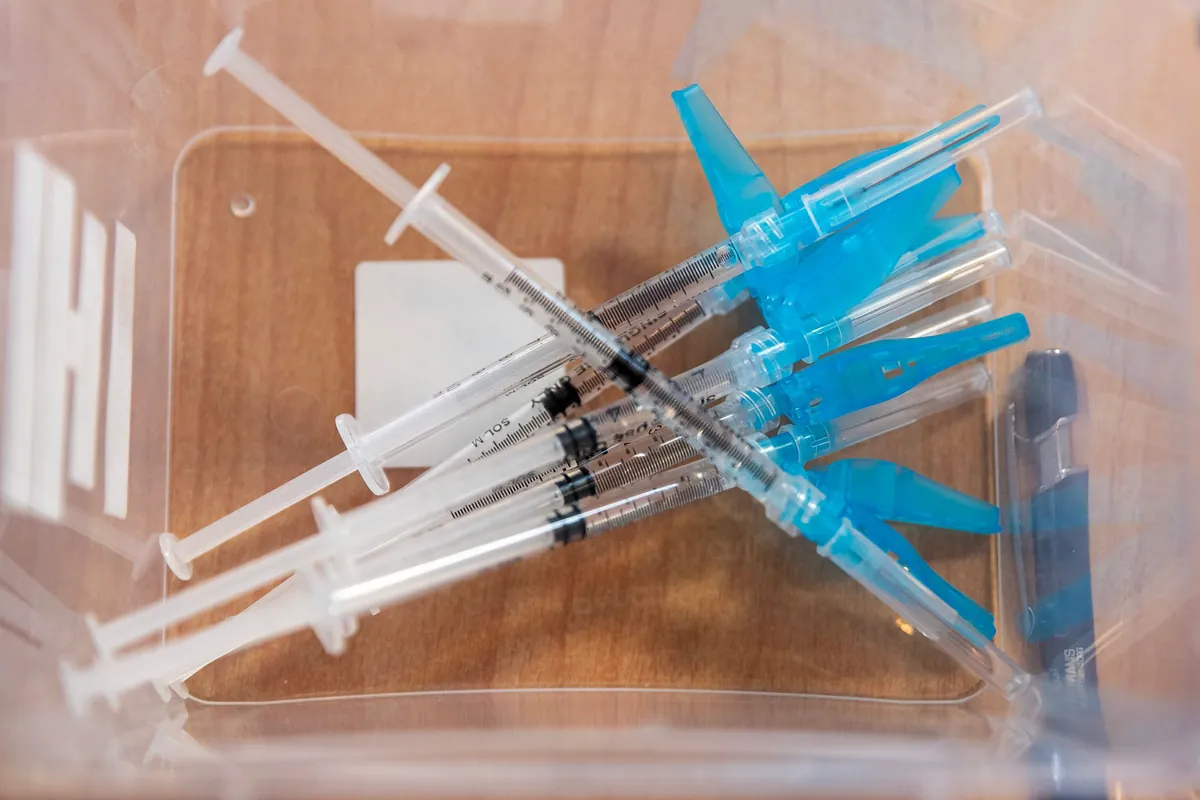
Needle and sharps cleanup means systematically looking for abandoned needles, razor blades, lancets, syringes and similar sharp items, then collecting and containing them safely for disposal that follows applicable waste rules.
Depending on the site, work may address one syringe in view or require a systematic search across a much larger space. Technicians inspect vacant rooms, grass, planting containers, mulch, stairways, fence edges, refuse zones and spots below debris or furnishings. Hands stay clear of pointed ends because tongs or a comparable collection tool are used. Items are placed immediately in a rigid sharps container that resists punctures, never in an unsecured bag.
Discarded needle removal is often part of property cleanup after trespassing, illegal drug use, a tenant move-out or an encampment closure. In this kind of biohazard remediation, the entire process may also include drug paraphernalia, small spots of bodily fluids and contaminated materials found beside the sharps. Those materials are separated, packaged and cleaned according to what they are, not swept together as ordinary litter.
Technicians methodically inspect belongings and keep items that can stay apart from waste and contaminated materials.
Documentation such as service details, images and available disposal records helps property owners, managers and insurance companies see what was completed.
Before the cleanup process, the right team explains planned search zones, possible item movement and cost factors to you.
Calls receive answers during the day and overnight, while unmarked vehicles let crews arrive discreetly at rental properties, homes and commercial sites.
Cleanup becomes necessary if a sharp presents a puncture risk during routine cleaning, upkeep or use of the property. Because sites and circumstances differ, the area searched needs to reflect both the discovery and the way people use that location. Examples include:
Finding syringes among broken glass, foil, pipes or residue of an unknown kind may mean several contamination and injury hazards overlap.
Tents, bedding, loose trash and vegetation can conceal sharps, so debris should not be compressed or lifted until the area is checked.
During normal property care, a syringe can be easy to miss and step on when it lies in mulch, grass, an alley or beside a fence.
Play areas, paths, restrooms, planting beds and parking edges may need a wider sweep after one discarded syringe is found.
Begin by making sure nobody can touch the sharp. The following measured steps protect you while preserving the site so a complete sweep can be performed:
Call (888) 351-0904The available cost file does not publish a dedicated needle and sharps cleanup range. Related pricing in that file is $3,000 to $5,000 for each general biohazard job, plus a medical waste disposal figure of $2 to $20 for every pound. These amounts allow comparison only and are not a quote for the sharps service. Required disposal, the number and location of items, and the area being searched affect your price.
National cost guides that have been published supply these ranges, not a visit to the property. An on-site assessment determines your property's price, which is explained to you before the cleanup starts.
Ask about cost: (888) 351-0904Your policy terms, where the needles were discovered and why they are present all affect coverage. If the situation can safely wait, ask your insurance company about it prior to beginning work.
If discarded sharps are tied to a reported crime, ask whether any state assistance applies. You can ask the Indiana crime victim compensation program whether eligible cleanup costs may be included in a claim. Insurance is usually checked first..
Ask the insurer whether coverage applies, prior cleanup authorization is required and the claim needs specific service notes, waste documents or photos to move forward.
The reason for the condition, local obligations and rental agreement all influence who must pay. Property owners and managers should record the unit's condition before discarded needles are removed.
Sharps associated with a covered event, including vandalism or trespass, may fall under a property policy. Show the adjuster pictures and explain the event plainly.
Every property shapes the amount of work required, but the sequence stays clear. Needle cleanup controls access, searches deliberately, collects items safely and concludes by visually checking the area again.
Trained technicians assess the known locations, recent property activity and surfaces involved, then set the boundary of the affected area.
Access is limited while technicians use protective equipment suited to puncture and contamination risks. Work starts at a clear edge.
A section-by-section search covers furniture, vegetation, bedding, trash areas, planted containers, floor edges and other places likely to conceal sharps.
Each visible sharp is lifted with tongs or another pickup tool. No one breaks, bends or recaps it, and it never travels loose.
Syringes, needles and related sharps are placed immediately in a hard, puncture-resistant container with a closure for transportation.
Technicians remove surrounding bodily fluids and hazardous materials, then treat suitable surfaces using an EPA-registered disinfectant for the complete label contact time.
Available records for service and disposal are kept together as secured containers travel through the waste process required at that site.
Technicians repeat the visual search, identify any areas that could not be accessed and explain what was removed before the site is reopened.

Phone support stays available. A specialist in needle and sharps cleanup takes your call, walks you through the process and confirms when work can start.
The main danger is a puncture or cut from a sharp that may also carry contaminated material. These serious health risks are why every discarded item should be treated as a hazard and why trained professionals may be needed for a wider search.
It can be distressing to discover needles in places used by pets, children, customers or tenants. You can move forward by restricting the area and arranging a methodical inspection.
Needles left behind can disappear beneath leaves, tall grass, bedding, loose trash, cushions and floor gaps. One discovered sharp calls for a check of the surrounding areas before the space reopens.
An unsecured sharp may puncture a normal garbage bag and hurt the person carrying, sorting or lifting it. During waste disposal, a hard-sided sharps container reduces the risk of puncture.
When a small blood spill is safe to clean yourself. Even with gloves on, avoid touching any lone sharp you locate. Restrict access and either request professional cleanup or follow local guidance for sharps. Anyone punctured should wash with soap and water and quickly seek medical guidance about the exposure.
Collected sharp items go inside containers designed to resist punctures, and adjacent surfaces receive cleaning if contamination is found. Other property is left where it is when a safe check shows that it can be retained.
The OSHA Bloodborne Pathogens Standard, 29 CFR 1910.1030, covers protective equipment, exposure control and other safeguards when workers can contact blood.
The selected EPA-registered disinfectant needs to stay wet on compatible surfaces containing bodily fluids or blood for its full labeled contact time.
Indiana medical waste requirements come from the state environmental or health agency. Ask the cleanup company how affected materials will be packaged, moved and treated.
Cleanup must wait for the required release if discarded sharps are part of a death scene or current law enforcement investigation. The county medical examiner or coroner investigates qualifying deaths. Cleanup starts after the scene is released.
A clearly visible single object generally needs less time than searching an entire property, yet one duration cannot apply everywhere. Work takes longer with restricted access, heavy debris or concealed sharps.
The full needle and sharps cleanup guide covers what is cleaned or removed, odor and air quality work, and the rules that apply in Indiana and Lake County.
Read the full needle and sharps cleanup guideLocal housing, population and access details can shape containment, access and cleanup planning.
Rental housing represents 21.6% of households here, so cleanup information should still explain when a landlord must approve structural work.
The local median home dates to 1967, making a room by room material assessment more useful than one cleaning method everywhere.
A 31.4% share of seniors living alone matters because longer discovery times can allow odor and contamination to spread farther.
Detached and single-family properties account for 76.1% locally, so exterior access and safe waste movement should be planned early.
You can ask about cleanup in nearby communities and ZIP codes during the call.
Medical waste removal covers disposal through an approved facility used for treatment.
See medical waste removal
Biohazard waste is collected in labeled, sealed containers and taken for disposal.
See biohazard waste disposal
Cleanup removes drug residue, pipes and discarded needles from rentals and other properties.
See drug paraphernalia cleanup
Cleanup of homeless encampments removes needles, contaminated debris and waste.
See homeless encampment cleanup
Rental property biohazard cleanup covers hotels and Airbnb units as well as rentals.
See hotel, airbnb and rental biohazard cleanup
Industrial and commercial biohazard cleanup keeps downtime to a minimum.
See commercial and industrial biohazard cleanup
Cleanup that controls hepatitis B, hepatitis C and HIV exposure from blood.
See bloodborne pathogen cleanup
Cleanup removes infectious material, including blood and body fluids, and disinfects the property.
See biohazard cleanupYou can request a professional needle cleanup service for a sharp found within privately owned property. Report a sharp on a public road, sidewalk or park to the public health, works or parks contact named by the municipality. Stay clear of the item and stop other people or pets from approaching as you wait.
Not always, but the surroundings should be considered. A lone syringe visible in a secured room presents a different search need than an item among bedding, rubbish, long grass or a common staircase. Recent site activity and likely hiding places help define the affected area. You may request an explanation of where the technician intends to search.
A needle by itself usually does not cause a lasting smell or air problem. Nearby waste, spoiled items, bodily fluids or a separate source may be responsible for the odor. Technicians should determine what is causing the issue and remove it. Sharps collection does not always require air treatment, which should be chosen according to contamination confirmed at the location.
Potentially, yes. Describe visible pipes, tiny bags, glass fragments, foil and unknown residue to the cleanup service when you ask for help. Separate assessment is important because these objects can present their own contamination or injury hazards. The work scope should state whether the visit covers only sharps or also includes paraphernalia, nearby residue and other hazardous waste.
Do not allow children, pets or guests near the item. Never put your hand into the vegetation or mulch, use a mower or rake the spot. While remaining safely away, identify the spot and request collection. Rather than removing just one seen item, find out whether technicians should systematically inspect adjacent yard areas for hidden sharps.
No published sharps-specific range appears in the approved cost file. Pricing depends on item quantity, the search area's size, concealed debris, accessibility and waste disposal requirements. For context only, you can see related medical waste figures and broader biohazard pricing here. A site assessment is needed for a price tied to your property.
Discreet, respectful needle and sharps cleanup, 24 hours a day, with crews in unmarked vehicles.