Biohazard Cleanup for Homes and Apartments
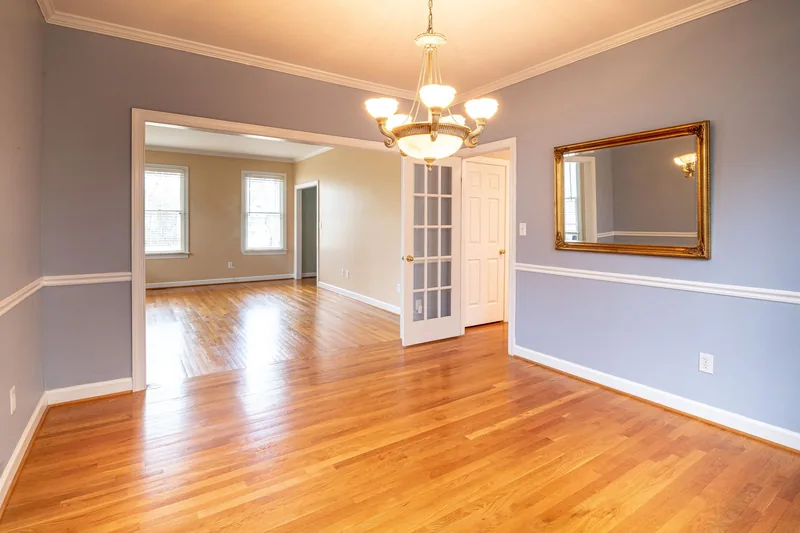
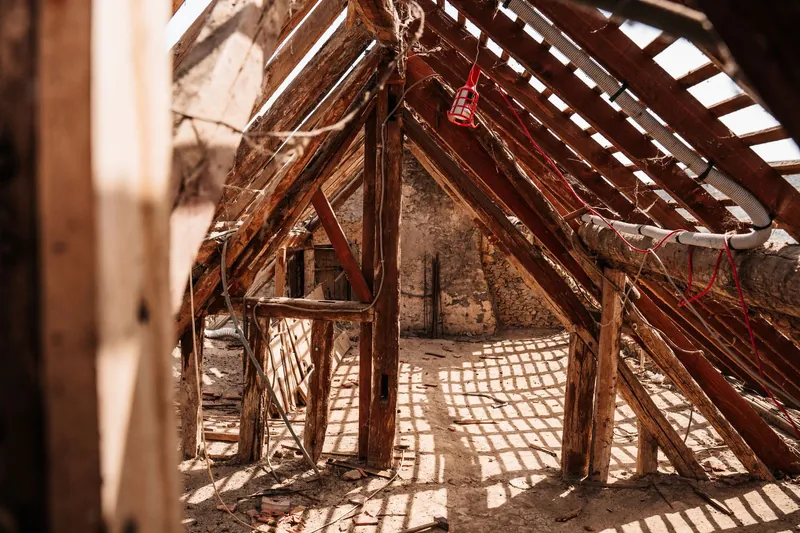
Houses, two-flats, condominiums and high-rise units can receive blood, crime, death, sewage cleanup and hoarding cleanup.
Learn moreYou can call for calm, discreet biohazard cleanup at homes, rentals, businesses and vehicles in Hermosa.
Containment, entry and cleanup plans can be influenced by local housing, population and access details.
A listed distance of 3.1 miles to Loretto Hospital gives a practical medical reference when someone has contacted blood or waste.
Local records list Loretto Hospital nearest at 3.1 miles and also name Humboldt Park Health, giving two references after an exposure.
Connections to Kelvyn Park, Kelvyn Grove, and Kosciuszko Park make a precise address important for coordinating cleanup access without unnecessary neighborhood attention.
Because this is a neighborhood within Chicago, cleanup access may depend on local parking, common entrances, or building management rules.
The safe disposal, removal and disinfection of bodily fluids, blood, tissue and other hazardous materials after an accident, crime, death, sewage backup or hoarding situation is biohazard cleanup.
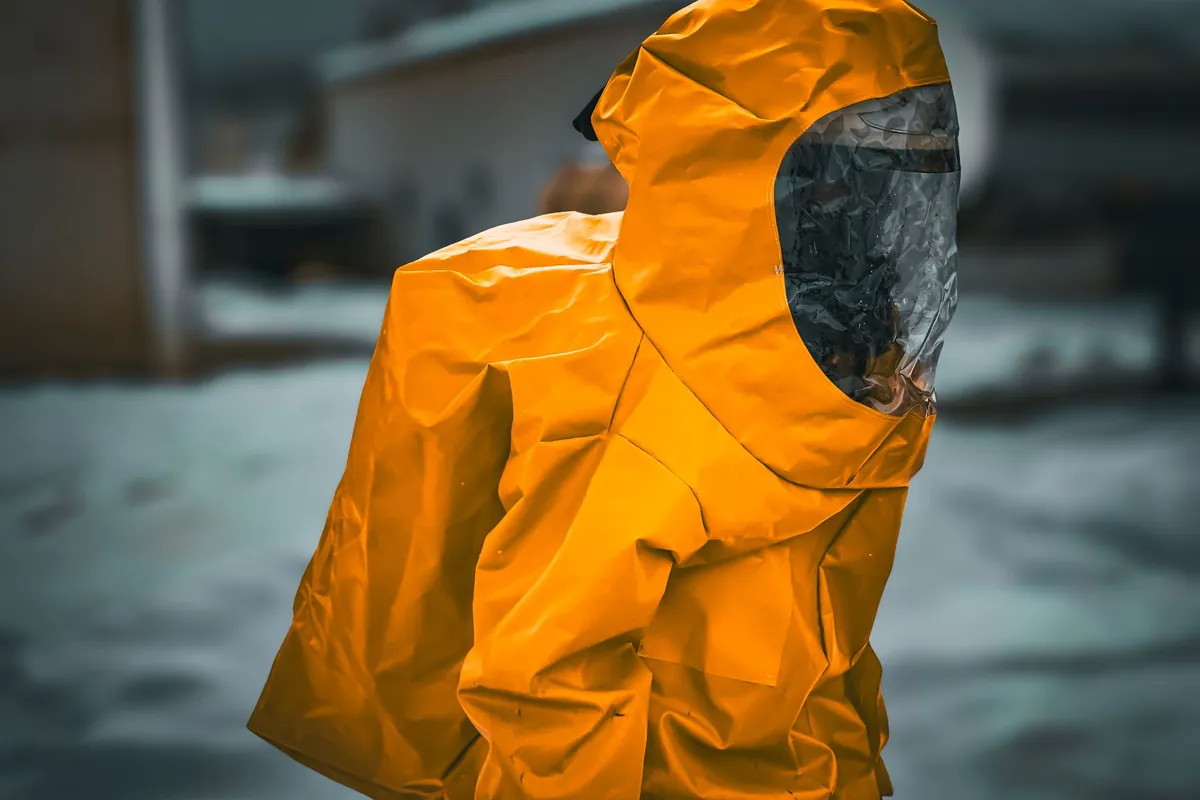
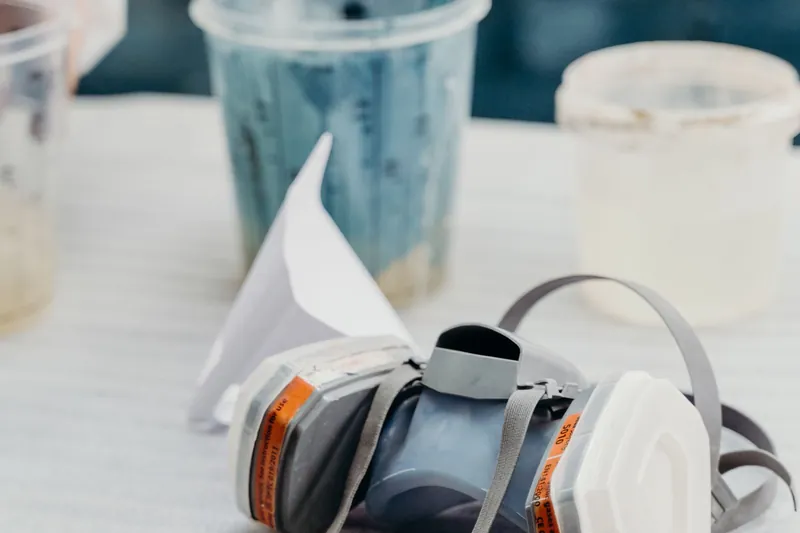
It is also called bio hazard cleaning, biohazard remediation, trauma cleanup or bio cleanup. Professional biohazard cleanup is more involved than deep cleaning. Technicians use personal protective equipment, locate every contaminated place, remove porous material that disinfection cannot save and treat affected areas until each reaches a livable condition.
Biohazard removal services in Hermosa reach the surrounding areas as well, with emergency response for crime scenes and other traumatic events. Crime scene cleaning, scene cleaning after an unattended death, hazardous waste removal and fentanyl cleanup all count as specialized cleaning. Crime scene cleaners work quietly to restore safety and offer respectful, compassionate service at a hard time.
Documentation for your insurance company, landlord or state victim program includes photographs, scope details and waste records.
The process, every step of cleanup and all price factors are explained to you before anything gets removed. There is no pressure and nothing unexpected.
Hoarding and neglect are met without judgment, with respect for you and your loved ones through a difficult time. Items important to you, including photos and documents, are set apart.
Emergency service calls are answered day and night, and crews arrive in unmarked vehicles so neighbors and building staff do not know what happened.
Houses, two-flats, condominiums and high-rise units can receive blood, crime, death, sewage cleanup and hoarding cleanup.
Learn more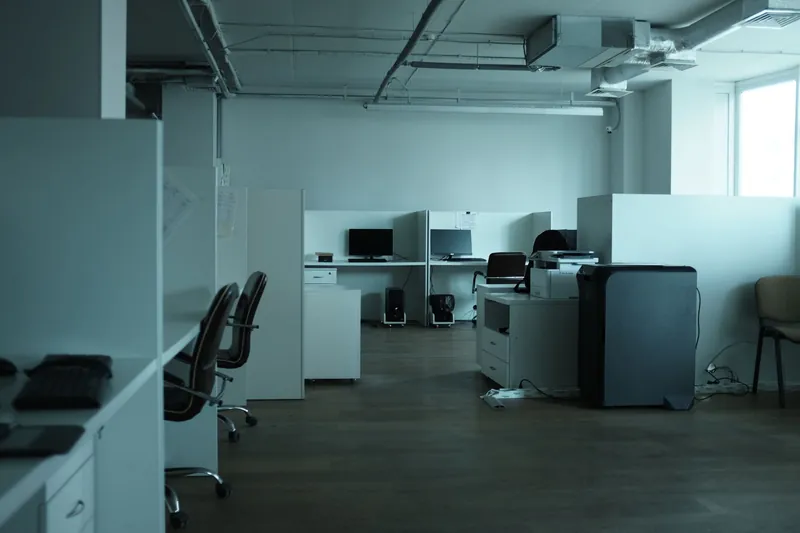
Commercial properties receive commercial biohazard cleanup for industrial accidents, exposures, break-ins and injuries at times that work with your schedule.
Learn more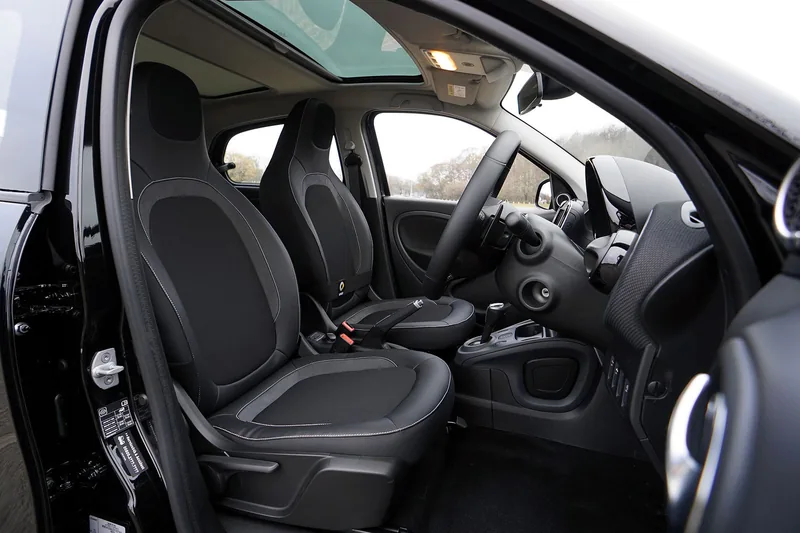
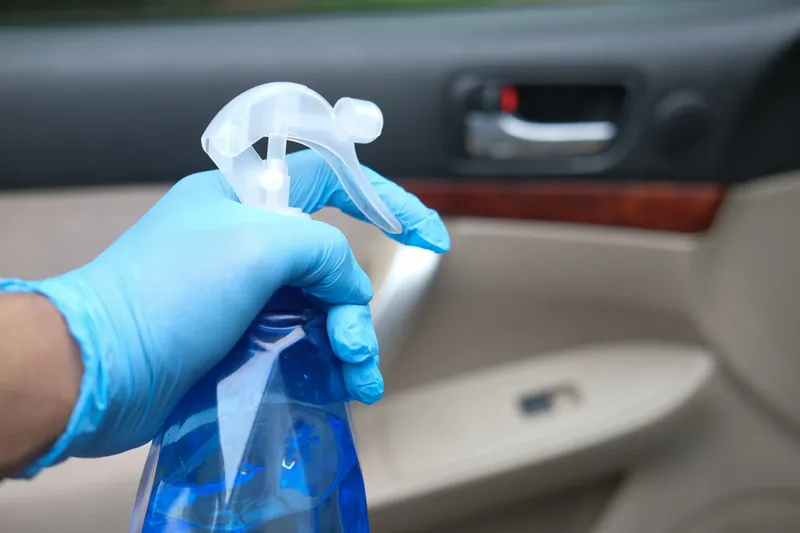
Vehicle biohazard cleanup for blood, bodily fluids and odor in seats, carpet and vents.
Learn more
Cleanup is completed promptly so the unit can return to rental use, and records are available for insurers and owners.
Learn morePick the appropriate cleanup page for your situation. You can also call if you are not sure which service applies.


This is a one-time experience for most people. Your health, claim and final cleanup cost are protected by the first actions you take.
Call (888) 351-0904The biohazard cleanup process uses a safe, set sequence for every job, from your first phone conversation to the closing inspection.
Say what happened. You and the technicians agree on the scope after they inspect the scene and take photos.
To prevent contamination from moving elsewhere, the affected area is closed off using plastic sheeting.
When infectious materials enter porous items such as drywall, carpet or pad, those items are cut away and contained as medical waste, with nothing left behind.
Each surface receives cleaning and an EPA-registered disinfectant made for hospital use.
Air scrubbers, ozone or hydroxyl address odor where it begins, while vents receive inspection.
Waste is sealed, tracked with paperwork and taken to a permitted facility for medical waste treatment.
Checks may include ATP testing when needed to verify a livable condition. Photos and supporting records are then given to you for insurance.
Rebuilding areas where drywall or floors were taken out can be done by your contractor or the insurer's vendor.
Published pricing guides list the typical residential biohazard cleanup range from $1,800 to $8,000. A small blood cleanup may fall below $1,000, while extensive sewage, decomposition or hoarding work may exceed $20,000. An on-site assessment determines the actual price.
Frequently, yes. Biohazard cleanup following a sudden incident, including a death, sewage backup or crime, is commonly covered by renters and homeowners policies, less your deductible.
The property manager or owner commonly coordinates and funds cleanup for a rented unit or common area.
The estate can often cover death cleanup expenses. The executor or a family member usually takes care of this.
Victims of violent crime can ask the Illinois Attorney General's Crime Victim Services Division whether cleanup costs can be included in a compensation claim. Insurance is usually checked first.
Accidental events are commonly covered when sudden. Long-term neglect and hoarding are generally excluded. Ask your insurer before work starts.

You can call anytime. A cleanup specialist can walk you through the process for your property.
Correct. Unmarked vehicles and quiet work help crews keep the situation confidential from neighbors and building personnel.
Some can last a long time. Hepatitis B may live for at least seven days on surfaces, the CDC says, so consider dried blood infectious.
Published guides put most residential jobs between $1,800 and $8,000. Small blood jobs may cost under $1,000, while large hoarding or decomposition projects can rise above $20,000.
Most cleanup projects are completed on site in one to three days. Several days to two weeks may be needed for decomposition, major scenes or hoarding cleanouts.
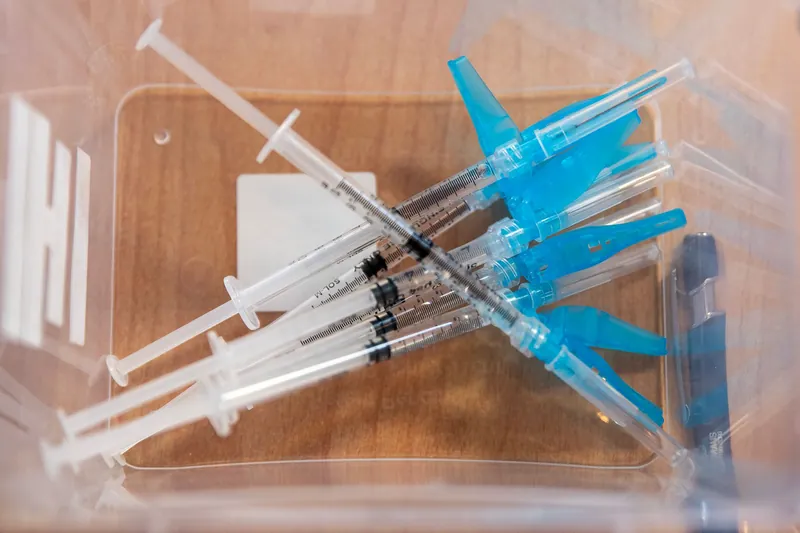
Biohazards are biological materials that may spread disease, such as used needles, raw sewage, tissue, blood, bodily fluids, human waste and animal waste.
You can reach someone by phone 24 hours a day, including during weekends and holidays.