
Bodily Fluid Cleanup
Bodily fluid cleanup removes fluids and disinfects affected areas in businesses, homes and care settings.
See bodily fluid cleanupGet blood and bodily fluids removed from carpet, hard floors, walls, furniture or vehicles in Granville Gardens. The affected area is contained, cleaned and disinfected, with unsafe porous materials packaged for disposal.

Blood cleanup means removing blood and bodily fluids under controlled conditions, then cleaning and disinfecting the area. Materials that are unsafe to retain are disposed of.
Liquid from a blood spill can move beyond the mark you see. It may enter grout, carpet, furniture, seams or narrow spaces along a wall. The first part of professional cleaning is identifying every affected place and shielding nearby areas. Trained technicians assess the materials, removing porous items when needed and disinfecting hard surfaces that can stay.
You may need this form of biohazard remediation after a medical event or injury, or following a traumatic incident or accident at work. Cleaning blood differs from regular housekeeping due to the possible presence of bloodborne pathogens. The work calls for protective equipment and controlled methods from initial cleaning through waste disposal.

Calls can be answered day and night, and crews arrive in unmarked vehicles. You can request details about keeping neighbors, renters or patrons away from the work zone.
The company should explain which materials can stay, which might be removed and the reason for each decision. You should understand how the cleanup team identified the full affected area before giving approval.
You should be included in decisions concerning important or usable belongings. You should have a say before any safely removable items are classified and disposed of as ordinary rubbish.
Keep photos, an item list and proof of cleaning to show insurance companies the loss, then move forward with repairs.
A household cleaning approach is not safe when blood has spread widely, soaked deeply or formed a large spill. Situations that can call for blood cleanup services include:
Property owners and managers may need discreet cleaning, clear scope photos and records showing which materials were cleaned or removed.
An office, warehouse, store or common building with blood contamination needs controlled entry, proper protective gear and a cleanup process appropriate for the affected materials.
Contamination from a severe event can extend over multiple types of surfaces. Professional cleanup spares your loved ones from work that is both hard and potentially unsafe.
Blood from a cut, fall or another injury may reach flooring, walls, furnishings and nearby possessions. Blood tracked or splashed beyond the main stain is checked by cleanup technicians.
Keep everyone clear of the blood first, and do not let it travel into clean areas. Use these precautions as you arrange professional cleanup:
Call (888) 351-0904A deep blood spill involves different work from a spot limited to the surface, so published industry guides show a wide cost range. One published span is $300 to $4,000; another is $500 to $5,000; the listed amount for small blood cleanup is $1,500 to $3,000. What you pay finally depends on the materials involved, waste generated and scope established at the property.
National cost guides that have been published supply these ranges, not a visit to the property. An on-site assessment determines your property's price, which is explained to you before the cleanup starts.
Ask about cost: (888) 351-0904Homeowners, renters, commercial or auto insurance may cover blood cleanup when the cause is a covered event, but the policy terms, deductible and circumstances decide the claim.
Victims of violent crime can ask the Illinois Attorney General's Crime Victim Services Division whether cleanup costs can be included in a compensation claim. Insurance is usually checked first.
Check with your insurance company about the required cleanup documentation, property list and photographs. Unless affected property creates an immediate hazard, retain it until the insurance adjuster advises you, and keep all related receipts.
For affected workplaces and rental properties, an owner, manager or landlord might organize the cleaning. Who pays varies with the situation, policy and lease.
Report the event promptly and ask whether biohazard cleanup and removal of contaminated building materials are covered. Record the adjuster details along with your insurance claim number.
Clean rooms remain protected through a controlled professional blood cleanup process. The specific steps for the affected space depend on how much blood is present and which materials came into contact with it.
Cleanup technicians inspect the visible stain, nearby surfaces and possible travel paths. Technicians record observations and take photos to mark the work scope before cleaning.
Barriers divide the affected work zone from unaffected rooms. Technicians use proper protective gear and set separate movement paths for equipment and securely closed waste.
When blood penetrates beyond effective surface disinfection, affected drywall, unsealed wood, furniture foam or carpet padding is taken out.
Disinfection begins only after all visible soil has been cleaned off. Technicians treat adjacent contact points, seams, outer edges and fasteners along with the main stained area.
Cleanable surfaces are treated with an EPA-registered disinfectant. For the entire contact period listed on the label, the treated material must remain wet.
Removed materials are packaged, labeled and moved for disposal according to the waste rules that apply to the location and type of job.
Before treating the air, technicians look for what is causing the odor. Technicians may run HEPA filters to reduce particles as affected items are taken out.
After an inspection of the cleaned area, equipment and barriers are taken down safely, and you get scope documentation for your records or claim.

Call any hour. Your blood cleanup specialist answers the phone, describes what happens next and works with you on a start time.
A visible blood mark can hide how deeply the liquid entered porous surfaces or material layers, and the blood can carry pathogens.
A traumatic incident or serious injury can make the cleaning process upsetting. Trained professionals can spare you some of the burden while limiting risks to your health.
Blood can wick into carpet padding, unfinished wood, grout and upholstery foam. Treating the upper layer alone can leave contaminated materials and lingering odor underneath.
Hepatitis B, hepatitis C and HIV are among the bloodborne pathogens considered during professional cleanup. The CDC says hepatitis B can survive on surfaces for at least seven days, so dried blood still requires care.
When a small blood spill is safe to clean yourself. For a few drops on an unbroken non-porous surface, apply an EPA-registered disinfectant for its complete labeled contact time and protect your hands with disposable gloves. Get professional cleanup if blood entered wall spaces, upholstery, raw wood or carpet, if sharps are involved, or if the affected edge is unclear.
Hard, sealed surfaces can often be cleaned and disinfected. Porous materials are removed when blood has penetrated too far to treat completely.

Requirements in 29 CFR 1910.1030, the OSHA Bloodborne Pathogens Standard, cover employee exposure safeguards, instruction, protective equipment and related practices.
A disinfectant used for blood should be EPA-registered for the intended use. You must observe the complete contact time along with all other label requirements.
Illinois treats soaked materials from a biohazard scene as potentially infectious medical waste (PIMW). Illinois EPA rules control how it is packed, transported and treated, so it cannot go in household trash.
In Cook County, the Cook County Medical Examiner's Office investigates sudden and unexplained deaths. Cleanup starts after police or the medical examiner release the scene.
Several hours may be enough for cleanup of a contained surface spill. If the blood reached walls, furniture, carpet padding or several rooms, the work could require one or more days. The schedule cannot be set with confidence until the area has been inspected.
The full blood cleanup guide covers what is cleaned or removed, odor and air quality work, and the rules that apply in your state.
Read the full blood cleanup guideLocal housing, population and access details can shape containment, access and cleanup planning.
A listed distance of 1.9 miles to Louis A Weiss Memorial Hospital gives a practical medical reference when someone has contacted blood or waste.
Local records list Louis A Weiss Memorial Hospital nearest at 1.9 miles and also name Methodist Hospital Of Chicago, giving two references after an exposure.
With Winchester-Hood Garden Homes, Arcadia Terrace, and Little India close by, accurate street and unit details help avoid confusion during a sensitive response.
The Cook County location helps orient travel, while the neighborhood and full address identify where private cleanup work actually occurs.
You can ask about cleanup in nearby communities and ZIP codes during the call.
Bodily fluid cleanup removes fluids and disinfects affected areas in businesses, homes and care settings.
See bodily fluid cleanup
Removal and disinfection of blood, body fluids and other infectious material from any property.
See biohazard cleanup
Crime scene cleaning begins after police release and covers blood, odor and the affected property.
See crime scene cleanup
Trauma scene cleanup is needed after violent events, accidents and injuries.
See trauma scene cleanup
Private, careful suicide cleanup so families do not have to face the scene.
See suicide cleanup
After investigators leave, homicide cleanup removes contaminated materials along with tissue and blood.
See homicide cleanup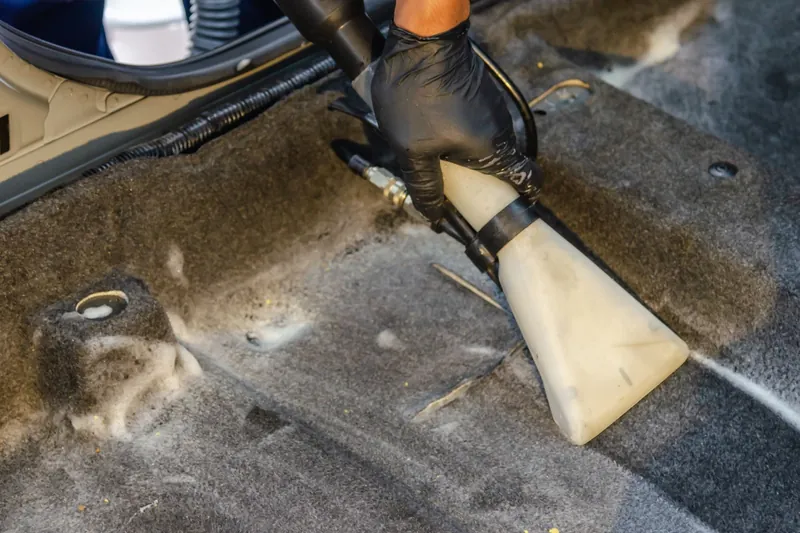
Biohazard carpet and upholstery cleaning, or safe removal when needed.
See biohazard carpet and upholstery cleaning
Medical waste removal covers disposal through an approved facility used for treatment.
See medical waste removalThe inspection determines if blood remains at the top or has entered cushion foam, carpet pad, joints or the furniture frame. A cleanable surface may be treated, but deeply soaked carpet pad or upholstery foam often needs removal. Cleanup must reach every contaminated layer instead of only making the surface mark look better.
Use disposable gloves, absorbent materials and an EPA-registered disinfectant labeled for the intended surface and organism. Observe all instructions on the product label, especially contact time. Never combine cleaning chemicals. Professional cleanup is appropriate for a major spill, contaminated absorbent materials or any area containing sharp objects, so keep out.
Published price spans are wide because cleanup can be limited to one sealed area or extend across several rooms and include porous material removal. The cost cards on this page show sourced spans from $300 to $5,000. The assessment for your location needs to define contaminated materials, disposal requirements and the exact scope of work.
Keep people away, put on disposable gloves and avoid actions that splash or spread the blood. An intact nonporous area with a small spill should be cleaned before treatment using an EPA-registered disinfectant for the entire labeled contact time. Have a professional assess blood that reached cracks, carpet, timber or furniture fabric.
The amount of contamination and its location determine if remaining is practical. When the work area can be contained, you might stay in another section of the property that was not affected. If contamination crossed shared walkways, affected ventilation or reached several rooms, the cleanup team may advise leaving until the work is complete.
You should ask how the affected area is determined, which materials may be removed and how disinfectant label contact time is met. Learn how waste will be contained, which documents are included, if odors require treatment and what repair tasks you must arrange afterward.
You can request respectful, discreet blood cleanup 24 hours a day, and crews use unmarked vehicles.