Local biohazard cleanup
Biohazard Cleanup in Glenwood Arts District, IL
Biohazard cleanup in Glenwood Arts District covers crime scenes, unattended deaths, hoarding, blood and sewage, with crews in unmarked vehicles.
Call (888) 351-0904
Talk to a biohazard cleanup specialistAnswered 24 hours a day. No forms.
- Unmarked vehicles
- OSHA bloodborne pathogen rules
- Help with insurance paperwork
Discreet and respectfulCrews arrive in unmarked vehicles.
24/7 callsDay, night, weekends and holidays
Unmarked vehiclesPrivate, quiet work
OSHA protocolsBloodborne pathogen rules
Glenwood Arts DistrictHomes, rentals and businesses
Local conditions
Local Biohazard Cleanup Conditions in Glenwood Arts District
Containment, entry and cleanup plans can be influenced by local housing, population and access details.
1.9 mito the nearest ER, Saint Francis Hospital-EvanstonMedicare hospital data
The nearest listed emergency facility is Saint Francis Hospital-Evanston, about 1.9 miles away, so medical care remains separate from property cleanup.
Neighboring communities include Rogers Park, Jarvis Square, and Edgewater Glen. If the property is near a boundary, mention the closest cross streets.
A cleanup plan for this neighborhood should account for adjacent homes or units when setting odor control and containment boundaries.
Call (888) 351-0904Ask about cost and timing by phone
Biohazard cleaning explained
Biohazard Cleanup in Glenwood Arts District: What It Is and What It Covers
Biohazard cleanup safely removes and disinfects blood, tissue, bodily fluids and hazardous materials, then disposes of them following crime, death, accidents, hoarding or a sewage backup.
Other names include biohazard remediation, bio hazard cleaning, bio cleanup and trauma cleanup. Deep cleaning alone is not professional biohazard cleanup. Technicians wear personal protective equipment, track where contamination traveled, discard porous items beyond disinfection and treat all affected areas until the property returns to a livable condition.
After traumatic events in Glenwood Arts District, crime scene cleaning and other specialized cleaning can begin as soon as the property is released. Biohazard removal services across the surrounding areas include scene cleaning, hazardous waste disposal and fentanyl cleanup, with emergency response at any hour. Crime scene cleaners aim to restore safety while giving families respectful, compassionate service.
- Bodily fluids and blood, whether dried or fresh
- Decomposition after an unattended death
- Human and animal waste along with urine and vomit
- Category 3 black water and untreated sewage
- Needles, sharps and medical waste
- Residue from fentanyl, meth and drug labs
Call (888) 351-0904Private help, day or night
Health and safety
Serious Health Risks of Biohazards in Glenwood Arts District Homes
People can become seriously ill because biohazards are health hazards, and contamination often extends beyond the areas you can see.
Bloodborne Pathogens
HIV, hepatitis B and hepatitis C can live in blood. Hepatitis B may survive on a surface for at least seven days, according to the CDC.
Sewage, Bacteria and Mold
Within 24 to 48 hours, wet materials may begin growing mold. Raw sewage carries salmonella, hepatitis A and E. coli.
Decomposition and Airborne Contamination
Decomposition creates bacteria, gases and fluids that enter floors, then travel along the ventilation system into nearby rooms.
Limits of Household Cleaners for Biohazards
Surface cleaning with sprays or bleach misses fluids that have entered carpet padding, drywall and the subfloor. What is left behind brings odor and bacteria back, which is why decontamination services remove it.
Call (888) 351-0904No forms. Just call.
What you get
What a Professional Biohazard Cleanup Company in Glenwood Arts District Does for You
Respectful, Compassionate Biohazard Cleaning
No judgment for hoarding or neglect, and care for you and your family at a difficult time. Your photos, important papers and keepsakes are placed aside.
Discreet 24/7 Emergency Biohazard Cleanup
Day or night, emergency service calls are answered. Crews use unmarked vehicles to protect your privacy from neighbors and property staff.
Biohazard Cleanup Insurance Claims Assistance
Your insurance company, property owner or state victim program can receive the photos, waste paperwork and notes describing the scope.
Clear Biohazard Cleanup Steps Before Work Starts
You receive an explanation of the cleanup plan, every step involved and what can change the price ahead of any removal. Expect no pressure or surprises.
Call (888) 351-0904Talk it through with a cleanup specialist
Every service
Explore 57 Biohazard Cleaning Services in Glenwood Arts District
Choose the cleanup page that fits your situation. If the right service is unclear, you can call for guidance.
Blood and Bodily Fluid Cleanup in Glenwood Arts District
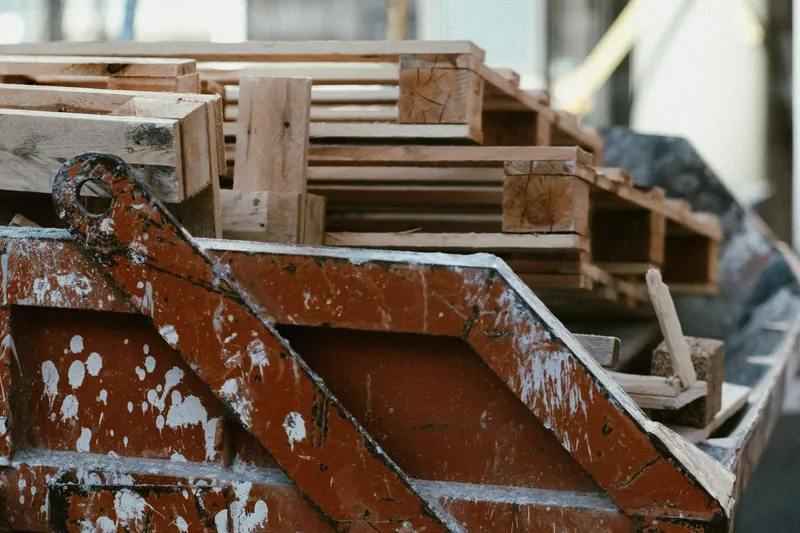
Hoarding and Squalor Cleanup in Glenwood Arts District
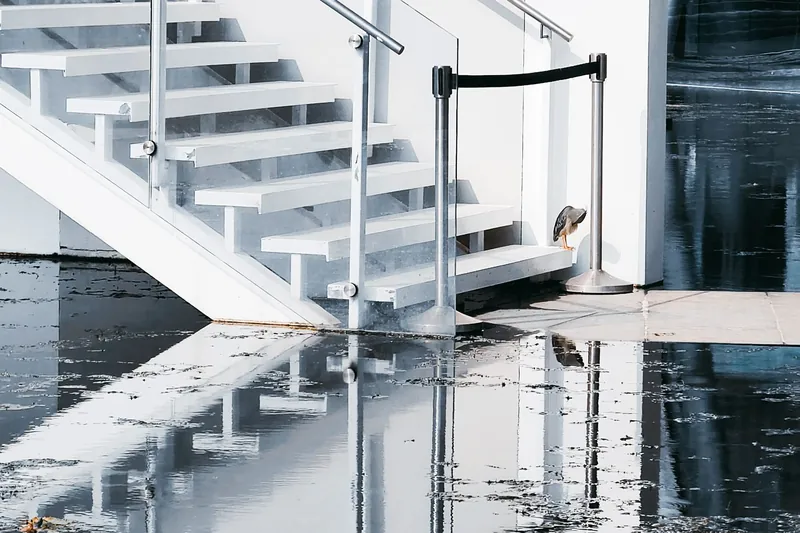
Sewage and Sewer Backup Cleanup in Glenwood Arts District
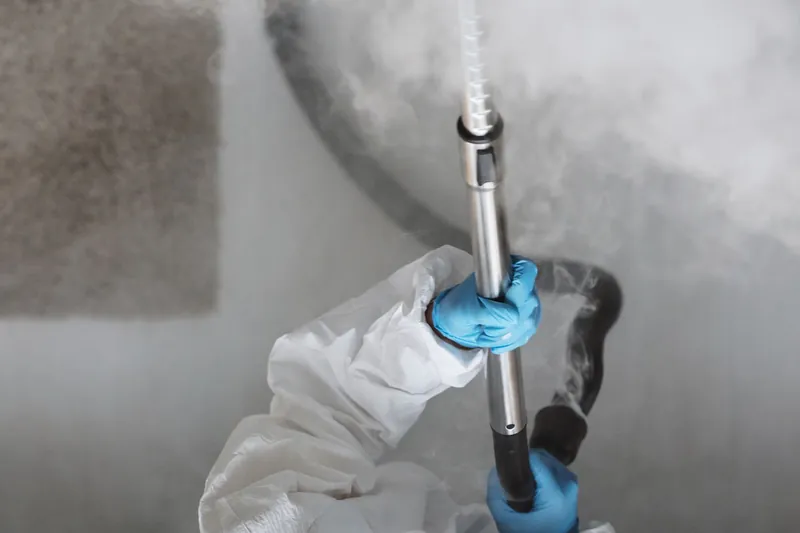
Infectious Disease Disinfection in Glenwood Arts District
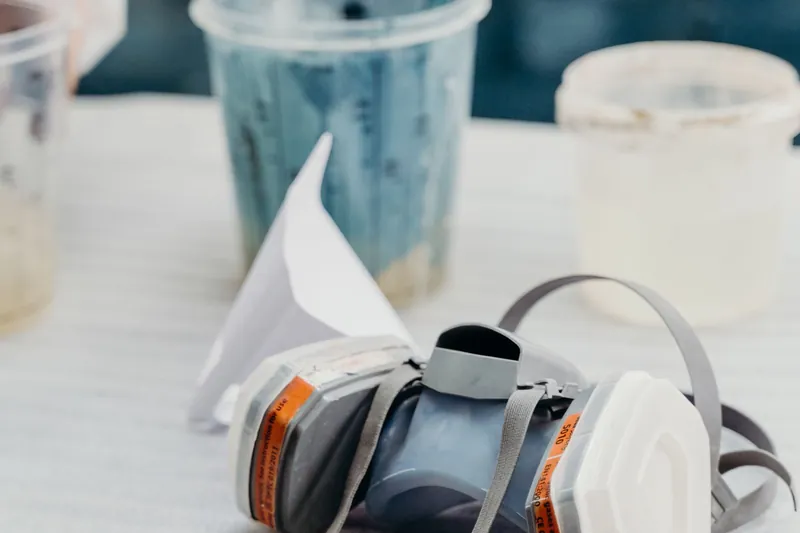
Meth Lab and Drug Cleanup in Glenwood Arts District
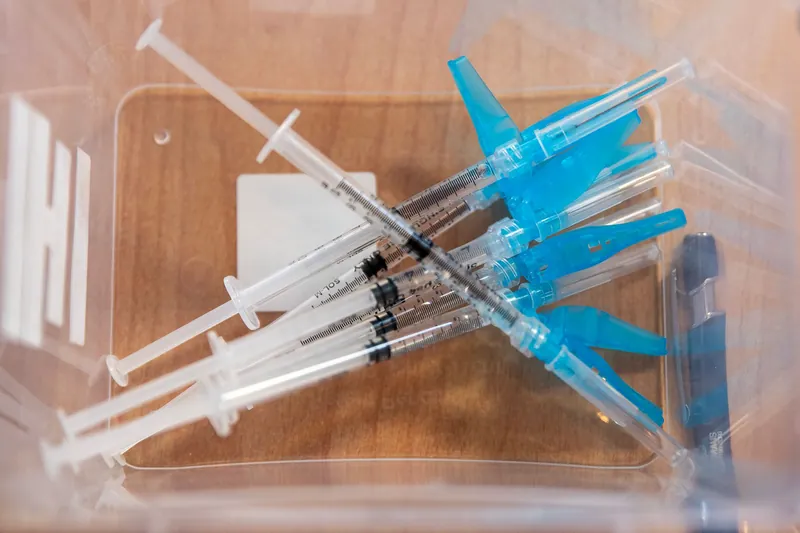
Medical Waste and Sharps Removal in Glenwood Arts District
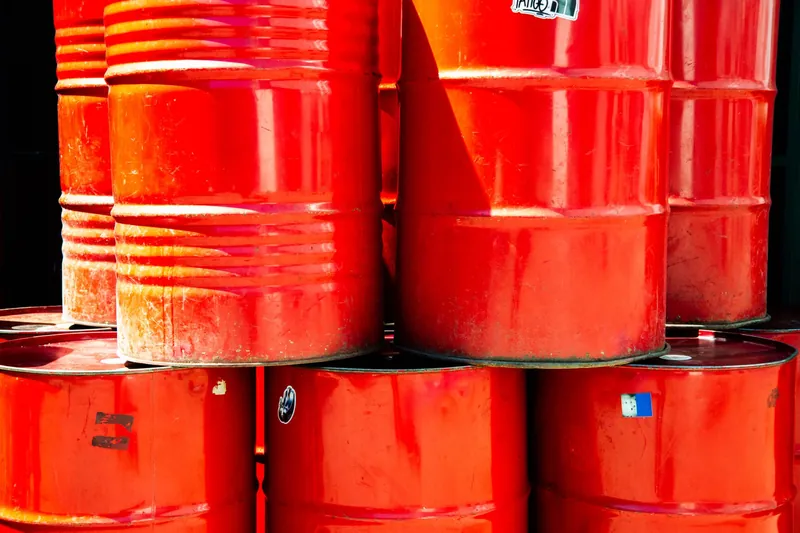
Hazmat and Chemical Cleanup in Glenwood Arts District
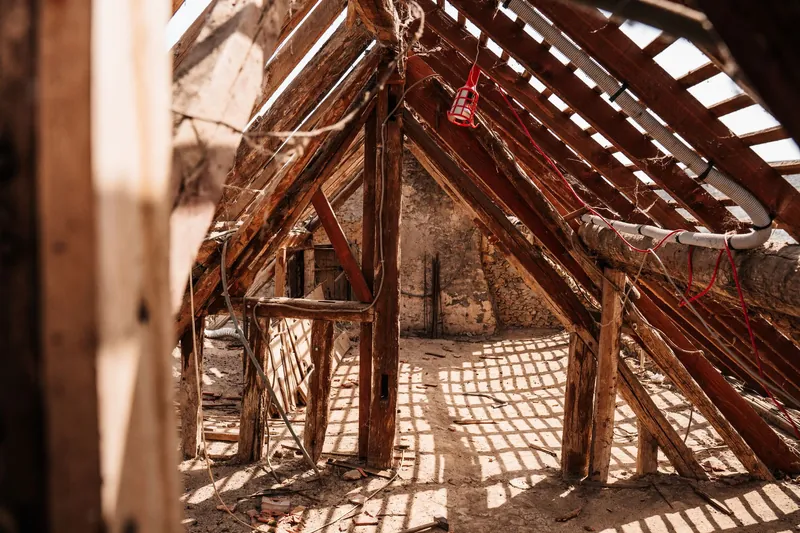
Animal Waste and Rodent Cleanup in Glenwood Arts District
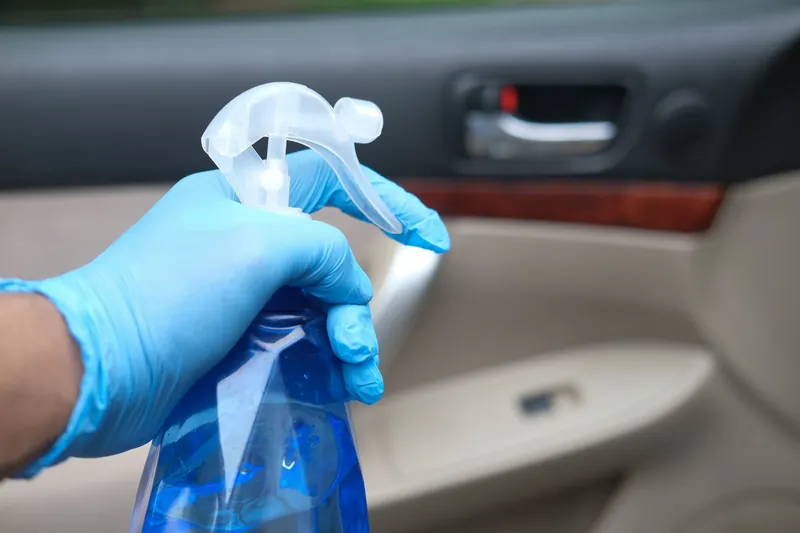
Car and Vehicle Biohazard Cleanup in Glenwood Arts District
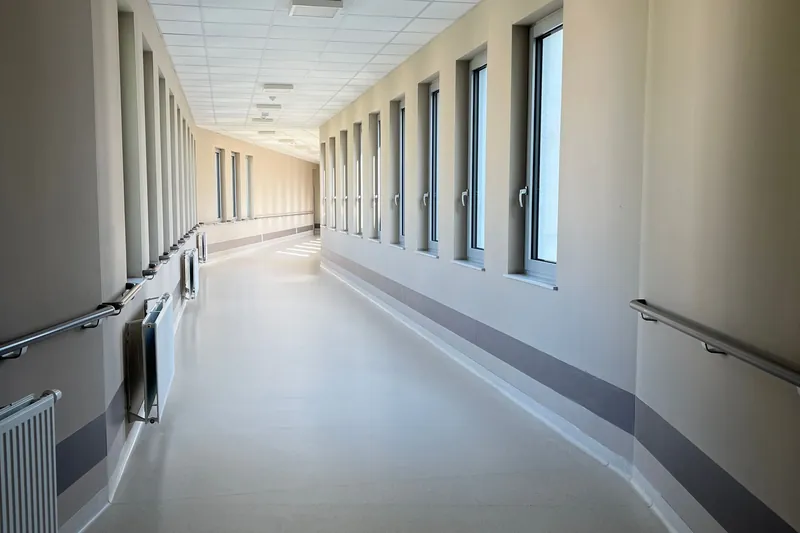
Biohazard Cleanup by Property Type in Glenwood Arts District
- Commercial and Industrial Biohazard Cleanup
- Hospital and Healthcare Biohazard Cleanup
- Hotel, Airbnb and Rental Biohazard Cleanup
- Office and Workplace Biohazard Cleanup
- School and Daycare Biohazard Cleanup
- Jail and Holding Cell Cleanup
- Homeless Encampment Cleanup
- Eviction and Tenant Move-Out Biohazard Cleanup
- Biohazard Carpet and Upholstery Cleaning
Call (888) 351-0904Answered 24/7, including holidays
First steps
First Steps Before You Call Biohazard Cleaners in Glenwood Arts District
This is a one-time experience for most people. Following the right opening steps helps protect your health while preserving your claim and cleanup cost.
Call (888) 351-0904- Phone 911 if someone is hurt or has died. Wait for first responders, law enforcement and the medical examiner or coroner to release the area before beginning cleanup.
- Do not enter the affected area. Close the door and keep children and pets away. Keep your feet away from blood and fluids.
- Do not attempt your own cleanup. Contamination spreads and stains become embedded in flooring and walls when household cleaning products are used.
- Call your insurance company. Notify the insurance company, check the biohazard cleanup coverage and keep a written record of the claim number.
- Call for biohazard cleanup. Tell the cleanup team about the event and all impacted rooms to help them prepare.
Step by step
Step-by-Step Biohazard Cleanup in Glenwood Arts District
The biohazard cleanup process uses a safe, set sequence for every job, from your first phone conversation to the closing inspection.
Call and On-Site Biohazard Assessment
You start by describing the situation. Technicians examine and photograph the area, then confirm the work scope with you.
Containment of the Affected Area
The affected area is sealed off with plastic sheeting so contamination does not spread to other rooms.
Removal of Contaminated Materials
Porous materials that absorbed infectious materials, such as carpet, pad and drywall, are cut out and sealed as medical waste so nothing is left behind.
Biohazard Cleaning and Disinfection
Cleaning every surface is followed by treatment with hospital-grade, EPA-registered disinfectant.
Odor Removal and Air Quality
Odor is treated at the source with air scrubbers, hydroxyl or ozone, and vents are checked.
Biohazard Waste Disposal
Tracking paperwork follows sealed waste to a permitted facility where medical waste is treated.
Final Inspection and ATP Testing
A final check, with ATP testing when necessary, confirms a livable condition. You then receive records and photographs for the claim.
Repairs and Back to Normal
Removed flooring or drywall can be rebuilt by your contractor or your insurer's vendor.
Call (888) 351-0904Ask about cost and timing by phone
Price ranges
Biohazard Cleanup Cost in Glenwood Arts District, IL
For biohazard cleanup, a typical national range is $3,000 to $5,000 according to Fixr. The price moves with the type of job. Guides put minor blood cleanup at $500 to $2,500, with sewage backup work at $2,000 to $10,000. An on-site assessment determines the actual price.
Minor Blood Cleanup Cost
$500 to $2,500Source: BioCleaners Directory crime scene guideCrime Scene Cleanup Cost
$1,500 to $7,500Source: Biohazard cleanup company guideUnattended Death Cleanup Cost
$2,000 to $7,000Source: PushLeads, Biohazard Cleanup CostSewage Cleanup Cost
$2,000 to $10,000Source: Bob Vila sewage cost guideCall (888) 351-0904Private help, day or night
Insurance and who pays
Biohazard Cleaning in Glenwood Arts District: Will Insurance Cover the Cost?
Often, yes. Biohazard cleanup following a sudden incident, including a death, sewage backup or crime, is commonly covered by renters and homeowners policies, less your deductible.
Homeowners and Renters Coverage for Biohazard Cleanup
Insurance generally covers events that are both sudden and accidental. Hoarding and long-term neglect usually are not. Speak with your insurance company before cleanup begins.
Illinois Crime Victim Compensation
The Illinois Attorney General's Crime Victim Services Division lists crime scene cleanup among the costs its compensation program can help offset, so victims of violent crime can ask about it. Insurance is usually checked first.
Cook County Landlords and Rental Property Owners
For common spaces and rental properties, cleanup is typically arranged and paid for by the property owner or manager.
Next of Kin and the Deceased Person's Estate
Payment for death cleanup can often come out of the estate. A family member or the estate executor normally manages this task.
Looking for a Biohazard Removal Service Around Glenwood Arts District?
Phone support stays available. A cleanup specialist can explain the next steps for your property.
Nearby locations
Find Biohazard Cleanup Services Close to Glenwood Arts District
Call (888) 351-0904No forms. Just call.
Questions
Glenwood Arts District Biohazard Cleanup Companies, Helpful Frequently Asked Questions and Answers
How much does biohazard cleanup cost in Glenwood Arts District?
Typical national pricing for biohazard cleanup runs $3,000 to $5,000 in the Fixr guide. Minor blood cleanup is listed at $500 to $2,500, while a sewage backup is listed at $2,000 to $10,000.
Does homeowners insurance cover biohazard cleanup in Illinois?
Many renters and homeowners policies pay for biohazard cleanup after a sudden incident, less the deductible. Hoarding and slow neglect are usually not covered.
In Cook County, who cleans dead bodies and death scenes?
Body removal is performed by the medical examiner, coroner or funeral home. Responsibility for later cleaning belongs to the family or property owner. A biohazard cleanup company is what most choose.
How quickly can illness follow contact with raw sewage?
One to three days is a common window for sewage-related symptoms to appear, but some infections need more time. Avoid any contact with the area and keep children and pets away.
Which substances are considered biohazards?
A biohazard is any biological material that can cause disease, such as blood, bodily fluids, tissue, human or animal waste, raw sewage and used needles.
Speak With a Biohazard Cleanup Company in Glenwood Arts District
Calls receive an answer 24 hours a day, even on holidays and weekends.