
Hoarder House Cleanout
During hoarder house cleanout, trash is hauled away as work progresses from room to room.
See hoarder house cleanoutClear blocked rooms, sort personal property and clean the home without judgment. Hoarding cleanup can include hauling, deep cleaning, odor removal and biohazard remediation when waste or bodily fluids are present.
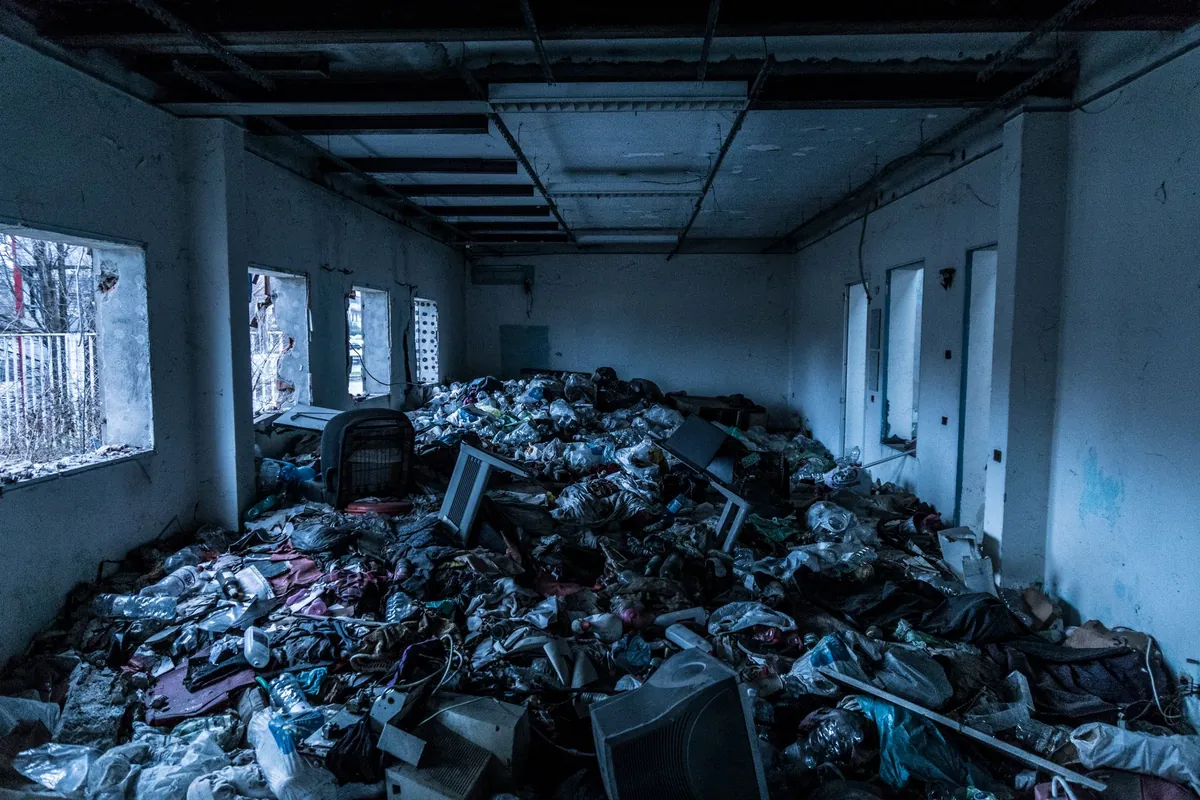
Hoarding cleaning services make rooms and exit routes usable by sorting possessions, taking away unwanted items and approved trash, and deep cleaning affected spaces.
Before anything leaves, the cleanup plan identifies belongings to retain, donate, recycle or throw away. Documents, medications, photographs and other personal items remain separate so you can choose what happens to them. Hauling alone is not a complete hoarding cleanup. When the approved removal ends, workers clean accessible floors, hard surfaces, fixtures and walls one room at a time.
Some homes need ordinary cleaning and junk removal only. Others contain spoiled food, animal waste, urine, feces, sharps, sewage, mold or bodily fluids. Those conditions call for protective equipment, controlled removal and biohazard cleanup. A professional cleanup plan should match the actual hazards found in the home, not assumptions about the person who lives there.
Protective gear, controlled work zones and the right waste path are matched to sharps, bodily fluids, animal waste and other hazards found on site.
Your input remains part of decisions involving personal property. A clear sorting plan protects wanted belongings and keeps uncertain items apart for later decisions.
Crews arrive in unmarked vehicles. To draw less unnecessary notice, crews can organize the bagging, loading and staging around the home.
Separating restoration and biohazard work from sorting, hauling and deep cleaning lets you see the scope of each phase.
Hoarder cleaning services may help once belongings have reached a volume or condition that prevents safe, manageable housekeeping. Common examples are:
Assistance can help relatives sort extensive personal property while protecting family heirlooms, records, photographs and other items with personal meaning.
Piles prevent normal use of bedrooms, kitchens or bathrooms, or narrow the path to a door, window, stairway or utility panel.
You face careful choices about keeping, storing, donating or discarding belongings when a lease, sale or move deadline approaches.
The EPA notes that wet materials may develop mold within 24 to 48 hours. Damp piles also obscure damaged items and make drying slower.
Keep the first decisions small and put safety first. If a cleanout is rushed, concealed hazards may be disturbed, distress may grow and valued belongings may be discarded.
Call (888) 351-0904Hoarder cleanout guides publish planning ranges. Level 1 light work is listed at $500 to $1,500 while Level 3 work is shown at $2,000 to $5,000 and severe Level 5 work at $10,000 to $25,000 for a job. They do not represent a quote. Accumulation, property size, access limits, hazards, disposal and hauling needs, plus cleaning required afterward, shape the final amount.
The figures shown are national ranges from published cost guides and are not based on an on-site visit. You learn what your property will cost after the on-site assessment and before any work begins.
Ask about cost: (888) 351-0904Insurance does not automatically cover hoarding cleanup. Coverage depends on the policy, the cause of damage and which parts of the work the insurer accepts.
Confirm what caused loss under coverage, what proof is necessary, which deductible applies and if cleaning and hauling are evaluated apart. Insurance companies may request photos, receipts and the scope of work, so keep those records for insurance assistance.
Check whether an event covered by your policy, such as sudden water damage, is involved. Insurers may evaluate routine maintenance and cleaning or buildup differently from the damage the covered event caused.
The lease, property damage and local requirements can affect who arranges or pays for work. The property condition needs documentation, and the tenant and owner should discuss entry before work.
When the property belongs to an estate, the authorized representative should confirm who can approve sorting, removal and payment before personal property is moved.
Your decisions should remain separate from the tasks of hauling and cleaning. Although every hoarding situation has different needs, a suitable team keeps the stages in safe sequence and makes each part clear:
A walkthrough documents water damage, blocked rooms, animal waste, unsteady stacks, pest activity and other affected areas. Before any sorting begins, priorities and authority for decisions are documented.
Walking paths and work zones are set by trained technicians. Protective equipment is matched to present hazards and may include respiratory or eye protection, gloves and protective clothing.
Belongings go into keep, donate, recycle, discard or decide later groups. A secure space holds valuables, medicines, photographs and sensitive documents for decisions.
Approval is required before contents are removed. Crews bag trash and move unwanted furniture without tracking contamination through surrounding areas.
Crews separate standard contents from items contaminated by sewage, bodily fluids, blood or animal waste. When material qualifies as hazardous waste, disposal must meet the specific rules governing that material.
Workers wash or vacuum the newly exposed cabinets, fixtures, floors, walls and other areas. Disinfection uses EPA-registered products and follows the label's full contact time in every area that needs treatment.
The first step is removing odor sources. HEPA air scrubbers, detailed surface cleaning and targeted treatments may then address particles and odor left behind.
During your inspection, check kept items and cleared rooms and paths, along with places needing pest control, drying, repairs or restoration services.

Call any hour. You speak with a hoarding cleanup specialist who outlines the process and schedules a start time with you.
Blocked exits and the presence of waste, pests or moisture can create serious health concerns, while heavy accumulation may keep both physical and biological hazards out of view.
Difficult access and hazards from falls or falling objects may result when floors carry too much weight and piles leave narrow paths. No worker should enter a visibly unsafe area or take objects from underneath a pile.
Blood, urine, feces and animal waste can contaminate porous materials. Blood can contain bloodborne pathogens. According to the CDC, surfaces may hold viable hepatitis B for seven days at minimum.
Separate any loose needles, medications, leaking chemical products and pieces of broken glass. They do not belong loose in ordinary bags with clothing or household trash.
When a small blood spill is safe to clean yourself. When clutter is light and there are no unstable piles, heavy mold, loose needles, bodily fluids, sewage or animal waste, gradual sorting may be possible with sturdy bins, gloves and a clear way out. If you discover an unknown leaking substance or biohazard, or the room no longer has a safe passage, stop.
Items are not discarded simply because they were found in a crowded room. Your approval, the condition of each item and the type of contamination guide the decision.

Under OSHA's Bloodborne Pathogens Standard, 29 CFR 1910.1030, workers who might contact blood or potentially infectious material require exposure controls, training and protective equipment.
Effective disinfection means choosing an EPA-registered product for the organism and observing its complete labeled contact time. Immediate wiping after application cuts the time on the surface.
Illinois treats soaked materials from a biohazard scene as potentially infectious medical waste (PIMW). Illinois EPA rules control how it is packed, transported and treated, so it cannot go in household trash.
In Cook County, the Cook County Medical Examiner's Office investigates sudden and unexplained deaths. Cleanup starts after police or the medical examiner release the scene.
A small area in light condition may need a day of hoarder house cleaning, while work across a full home may continue for several days. Severe accumulation, limited access, repair needs, biohazard remediation or individual decisions about belongings can extend that time.
The full hoarding cleanup guide covers what is cleaned or removed, odor and air quality work, and the rules that apply in Cook County.
Read the full hoarding cleanup guidePlanning for access, containment and cleanup can depend on local population, housing and entry conditions.
A listed distance of 1.4 miles to Holy Cross Hospital gives a practical medical reference when someone has contacted blood or waste.
The hospital list for Glendale starts with Holy Cross Hospital around 1.4 miles away and includes Saint Anthony Hospital as another option.
The surrounding area includes Garfield Manor, Elsdon, and West Elsdon, so cleanup travel may cross several local streets or municipal boundaries.
As a Chicago neighborhood, Glendale may include several building styles, so cleanup planning should start with the exact property type.
During your call, ask whether cleanup is available in surrounding communities and ZIP codes.
During hoarder house cleanout, trash is hauled away as work progresses from room to room.
See hoarder house cleanout
Animal hoarding cleanup of waste, urine soaked materials and ammonia odor.
See animal hoarding cleanup
Homes made unsafe for living by squalor and filth receive cleanup.
See filth and squalor cleanup
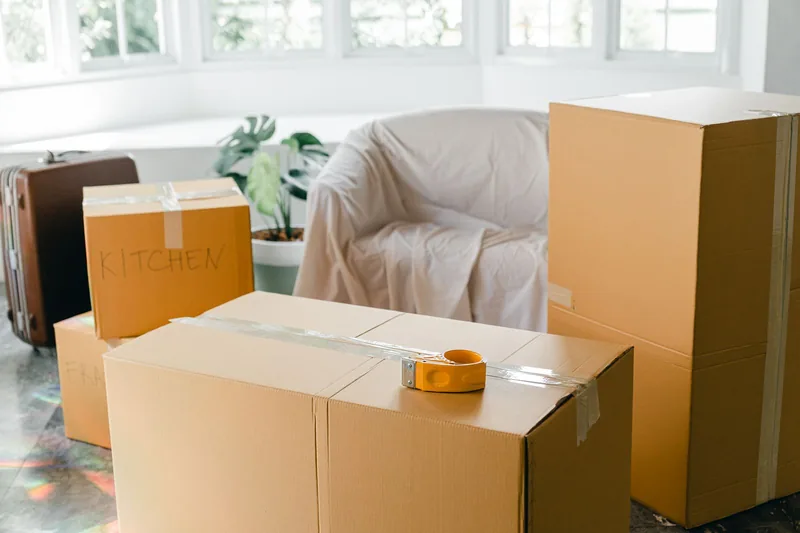
Belongings are sorted and safely removed as part of an estate cleanout after a death.
See estate cleanout after a death
Removal and disinfection of blood, body fluids and other infectious material from any property.
See biohazard cleanup
Human feces cleanup includes disinfection in homes, public restrooms and rental properties.
See human feces cleanup
For furnishings, flooring and subfloors, urine cleanup includes odor removal.
See urine cleanup
Air scrubbers, hydroxyl and ozone treatment support death odor removal at its source.
See death odor removalYour starting goal should be small and safety-focused, perhaps clearing the way out or making one bathroom functional. Use simple keep, decide later and discard categories. Do not create too many sorting groups simultaneously. Stay off clutter piles and leave leaking vessels closed. A support person can record decisions and keep the first session manageable.
The area should remain untouched while the extent of pests, urine, feces and damaged contents is evaluated. Waste saturation may mean removing porous drywall, carpet, pad or subfloor. For solid surfaces, use the correct cleaning and disinfecting product and observe its labeled contact period. Treat odors after removing their source.
You might finish a small, lightly cluttered area within a single day. Whole-house cleaning typically requires additional time. Belongings need approval for removal, and covered surfaces cannot be cleaned first. Pest activity, access problems, animal waste, biohazards, water damage and needed repairs may lengthen work past the original cleanout.
Start by making a safe path and deciding who can approve removal. Organize belongings by whether you will keep, donate, recycle, discard or decide later. Take out only approved belongings before cleaning newly exposed surfaces in top-to-bottom order. Do not continue after finding loose sharps, heavy mold, animal waste, sewage, bodily fluids or piles that may collapse. Get trained help.
Do not discard identification, legal papers, financial records, medication, keys, photographs, valuables or sentimental items without approval from the person authorized to decide. Set questionable items aside in a safeguarded sorting area. Do not mix loose sharps, chemicals or contaminated materials into standard trash bags containing clothing and home goods. They need separate handling.
While your input may be necessary for property decisions, you are not required to occupy a current work area. Children, pets and anyone with health concerns should stay away from dust, unstable piles and contaminated areas. The hazards and arrangement of rooms, plus any odor treatments or cleaning products in use, determine access needs.
You can request respectful, discreet hoarding cleanup 24 hours a day, and crews use unmarked vehicles.