
Biohazard Decontamination
Full decontamination of rooms, surfaces and air after infectious or hazardous exposure.
See biohazard decontaminationGet blood, bodily fluids and other infectious material removed from your home, business or vehicle. The affected area is contained, cleaned and disinfected, and contaminated waste is taken for proper disposal.

Biohazard cleanup means carefully controlling and removing blood, bodily fluids or other matter that could contain harmful microorganisms, then cleaning and disinfecting the affected surfaces.
Deaths, injuries, crime scenes, sewer backups, infectious illnesses and serious hoarding can all leave a biohazard. The affected place might be a home, apartment, hotel, workplace, outdoor space or vehicle. Cleanup identifies everywhere the material reached, takes out anything that cannot be cleaned, disinfects surfaces that can stay and shields nearby spaces during the work.
Unlike routine house cleaning, biohazard cleaning uses trained technicians, personal protective equipment and a controlled work area. Products are matched to the contamination, and every EPA-registered disinfectant is given its full labeled contact time. Contaminated waste does not belong loose in household trash. It is packaged, labeled and moved as state rules require.

Photos, the work scope, invoices and available disposal records can be organized for your insurance claim and property file.
You hear what is affected, what can stay, what must be removed and which steps are proposed before cleanup begins.
Cleanup respects the privacy of your situation. Using unmarked vehicles, crews arrive discreetly and limit access to the affected area.
Personal property is assessed with you when the area is safe enough. Items that matter to you are sorted for cleaning, expert care or return when safe.
Professional biohazard cleaning is suitable if routine cleanup could bring you into contact with contaminated waste, infectious substances or bloodborne pathogens. Situations that commonly require it include:
For an illness exposure, a focused plan may address shared spaces, frequently touched surfaces and related items with disinfectant appropriate for both the organism and material.
Crime scene cleaning cannot begin until authorities release the site. It may include odor treatment, waste disposal, surface disinfection, blood cleanup and fingerprint powder removal.
Hoarding cleanup services may be needed when human waste, animal waste, spoiled material, sharps or other contamination is mixed with household contents.
Nearby belongings, carpet underlay, grout and gaps in flooring may be reached by blood. Treatment covers the affected area completely because a biohazard cleaner examines more than the visible stain.
Your immediate concern is limiting exposure and avoiding any spread of contamination. Use these steps until professional cleanup has been arranged:
Call (888) 351-0904Published guides show a wide range because biohazard cleanup may involve one hard surface or several rooms with absorbed fluids. Fixr lists a typical national range of $3,000 to $5,000 and a full published span of $1,500 to $25,000. Yelp Costs lists a residential average range of $1,800 to $4,500. The scope can be assessed only after the affected materials and disposal needs are known.
Published national cost guides are the source for these ranges, rather than an inspection of your property. The price for your property is set after the on-site assessment, and you hear it before work starts.
Ask about cost: (888) 351-0904Biohazard cleanup may qualify for insurance coverage when its cause is covered by your policy. The event itself, along with your exclusions, deductible and limits, affects coverage.
Promptly report what happened and ask if the policy covers cleanup, damaged building parts, personal property and restoration. Hold onto the claim identifier and the adjuster's phone and email details.
Check with the insurance company about the records needed. The adjuster may use photographs, invoices, waste records and a clear scope of work when assessing your claim.
The cause and place of the incident, local rules and any lease may affect responsibility. Property owners and tenants should alert insurers and document conditions before moving belongings.
Victims of violent crime can ask the Illinois Attorney General's Crime Victim Services Division whether cleanup costs can be included in a compensation claim. Insurance is usually checked first.
Planning begins with what the contaminant is, which materials came in contact with it and where it could have traveled. The steps control its spread as the space is prepared for safe use again.
Cleanup technicians inspect the affected and surrounding areas, identify porous and non-porous materials, document conditions and explain the proposed scope to you.
Barriers divide the cleanup area from clean parts of the property. Personal protective equipment is selected for the hazard, with air controls used when particles or smells could move beyond the work area.
Porous items that soaked up contamination may require removal into sealed containers, including carpet, pad, mattresses, insulation, unfinished wood and drywall.
Before disinfection, visible contamination is removed so the disinfectant can reach the underlying surface. The finish determines which method and equipment are used.
An EPA-registered disinfectant is applied to cleaned areas, which stay wet for all of the labeled contact time.
Before treating indoor air, workers remove the source material. HEPA air scrubbers and other odor methods may be used based on the room, the remaining materials and occupancy.
Waste receives packaging and labels that match its disposal path. Records can show which waste was taken away and where it went.
The affected space is inspected once cleaning is complete. You are told which areas were cleaned, which materials came out and whether any restoration remains necessary.

You can call anytime. You speak with a biohazard cleanup specialist who outlines the process and schedules a start time with you.
Biohazards may expose you to infectious matter, concealed contamination and sharp items. Wiping the visible surface quickly may therefore leave the area unsafe.
Carpeting, subfloor gaps, wall coverings and spaces below trim can all allow fluids to spread. What you can see may not reveal the full affected area.
Broken glass, needles or pointed metal can penetrate protective gloves or waste bags. The type of contaminated material determines which container and disposal path are appropriate.
Blood may carry hepatitis B, hepatitis C or HIV. According to the CDC, hepatitis B remains viable on surfaces for at least seven days, which means dry blood must still be cleaned and disinfected carefully.
When a small blood spill is safe to clean yourself. A very small spill on a sealed, non-porous surface may be cleaned with disposable gloves and an EPA-registered disinfectant used for its full label contact time. Do not attempt cleanup when fluids reached carpet, wood, drywall or furniture, when sharps are present, or when you cannot tell where the contamination ends.
The time depends on the affected area, the materials involved and whether contamination is on the surface or below it. A small hard-surface cleanup may need one work visit, while several rooms, structural removal or persistent odor can require multiple visits and later restoration.
| Scene | Typical time on site |
|---|---|
| Small surface area | Assessment, cleaning and disinfection may fit in one visit |
| One room with porous materials | Removal, cleaning and odor work may need more than one visit |
| Several rooms or structural contamination | Planning for cleaning is separate from planning for repairs |
Finding and removing the material causing the smell is the first step in odor removal. A fragrance, coat of paint or surface spray cannot remedy fluids held in furniture, wall voids, subflooring, carpet pad or nearby items. Air treatment should be selected only after those places are inspected.
HEPA air scrubbers can remove airborne particles following cleaning and source removal. For odor that remains, options may include hydroxyls, another suitable method or ozone within an empty and controlled area. The right method is based on site conditions, material types and occupancy. If airflow might have moved odor beyond the room, HVAC vents and returns are also checked.

Under the OSHA Bloodborne Pathogens Standard, 29 CFR 1910.1030, potential blood exposure requires protective equipment, exposure controls, training and related work procedures.
The chosen disinfectant must match both the surface and target organism. Label instructions cover required safety measures, dilution, pre-cleaning and the complete time the product must remain in contact.
Illinois treats soaked materials from a biohazard scene as potentially infectious medical waste (PIMW). Illinois EPA rules control how it is packed, transported and treated, so it cannot go in household trash.
In Cook County, the Cook County Medical Examiner's Office investigates sudden and unexplained deaths. Cleanup starts after police or the medical examiner release the scene.
The time depends on the affected area, the materials involved and whether contamination is on the surface or below it. A small hard-surface cleanup may need one work visit, while several rooms, structural removal or persistent odor can require multiple visits and later restoration.
The full biohazard cleanup guide covers what is cleaned or removed, odor and air quality work, and the rules that apply in Illinois and Kane County.
Read the full biohazard cleanup guide
Planning for access, containment and cleanup can depend on local population, housing and entry conditions.
With renters in 5.2% of local homes, owner occupied properties form most of the housing context for cleanup planning.
The 2005 median year does not prevent contamination from reaching subfloors through joints, edges, and utility openings.
Even at 24.5%, seniors living alone can benefit from regular contact that shortens the time before an emergency is noticed.
The 99.8% single-family share means odor may move through connected rooms and ventilation even without shared walls between households.
You can ask about cleanup in nearby communities and ZIP codes during the call.
Full decontamination of rooms, surfaces and air after infectious or hazardous exposure.
See biohazard decontamination
Biological remediation removes contamination so the space can be safely used again.
See biohazard remediation
Blood cleanup on carpet, hard floors, walls and furniture with safe disposal.
See blood cleanup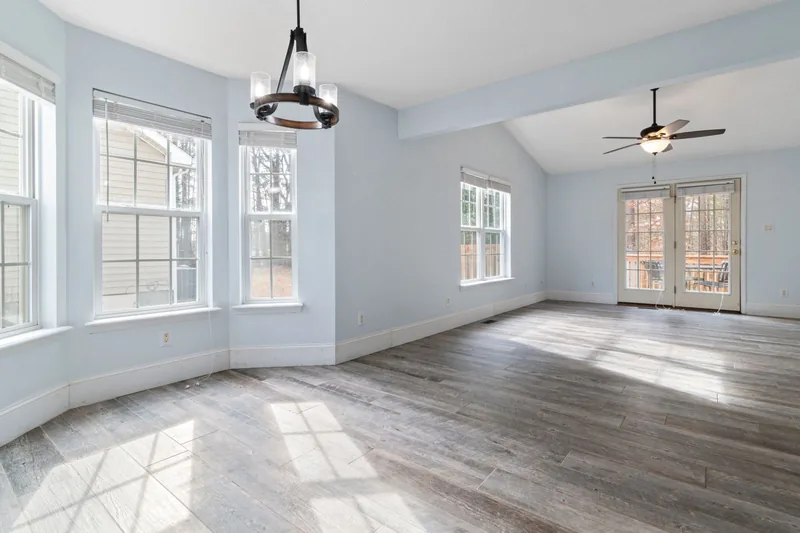
Cleanup after an undiscovered death includes odor control and the effects of days of decomposition.
See unattended death cleanup
Trauma scene cleanup after accidents, injuries and violent events.
See trauma scene cleanup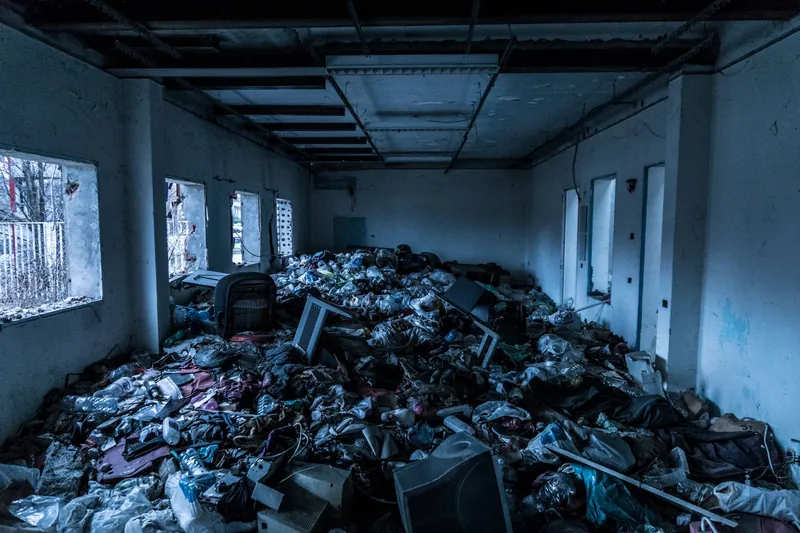
Hoarding cleanup with respectful sorting, removal and deep cleaning.
See hoarding cleanup
Disinfection and drying follow sewage cleanup of Category 3 black water from raw sewage.
See raw sewage cleanup
All surfaces receive full coverage with EPA-registered products for infectious disease disinfection.
See infectious disease disinfectionIt may qualify for coverage when the cause of contamination is an event included in your policy. Even when a claim qualifies, it remains subject to your deductible, exclusions and coverage limits. Call the insurance company promptly, describe the event, get a claim number and ask what documentation the adjuster wants before damaged materials are moved.
Yes, when the odor source is found and removed. Cleanup may require taking out contaminated carpet, pad, drywall, furniture or other porous material before treating the air. Once surfaces are cleaned and disinfected, remaining odor may be treated with HEPA air scrubbers or another suitable method, while nearby vents are inspected as needed.
Biohazard cleaning follows controlled steps to clear visible contaminants, discard materials that cannot be disinfected, clean retained surfaces and keep an appropriate disinfectant in contact for the required time. It also involves safe waste packaging and disposal, as well as odor treatment where the source affected absorbent materials or air quality.
Available cost figures cover a broad range because materials, area and depth vary by job. According to Fixr, typical costs nationally run from $3,000 to $5,000. An average residential range from Yelp Costs is $1,800 to $4,500. Identifying absorbent materials, disposal volume and necessary odor work requires an assessment at the property.
The amount of time needed depends on affected spaces, surface types and how widely liquids moved. One work visit may be enough for a small area limited to hard surfaces. Several visits can be necessary for persistent smells, multiple affected spaces or contamination in carpet, walls or the subfloor. Restoring finishes that were taken out occurs after cleanup and can have a different schedule.
A funeral home or medical examiner takes the deceased, while cleaning the property remains a separate task. Following scene release, a landlord, family member, owner or another responsible person must arrange death cleanup. Loved ones do not need to enter the space while a biohazard cleaning company addresses contaminated materials, bodily fluids, disposal and odors.
You can request respectful, discreet biohazard cleanup 24 hours a day, and crews use unmarked vehicles.