
Bodily Fluid Cleanup
Bodily fluid cleanup and disinfection for homes, care settings and businesses.
See bodily fluid cleanupGet blood, bodily fluids, human waste, sharps and contaminated materials removed from a jail, holding cell, booking room or detention area in Genoa after authorized staff release the space.
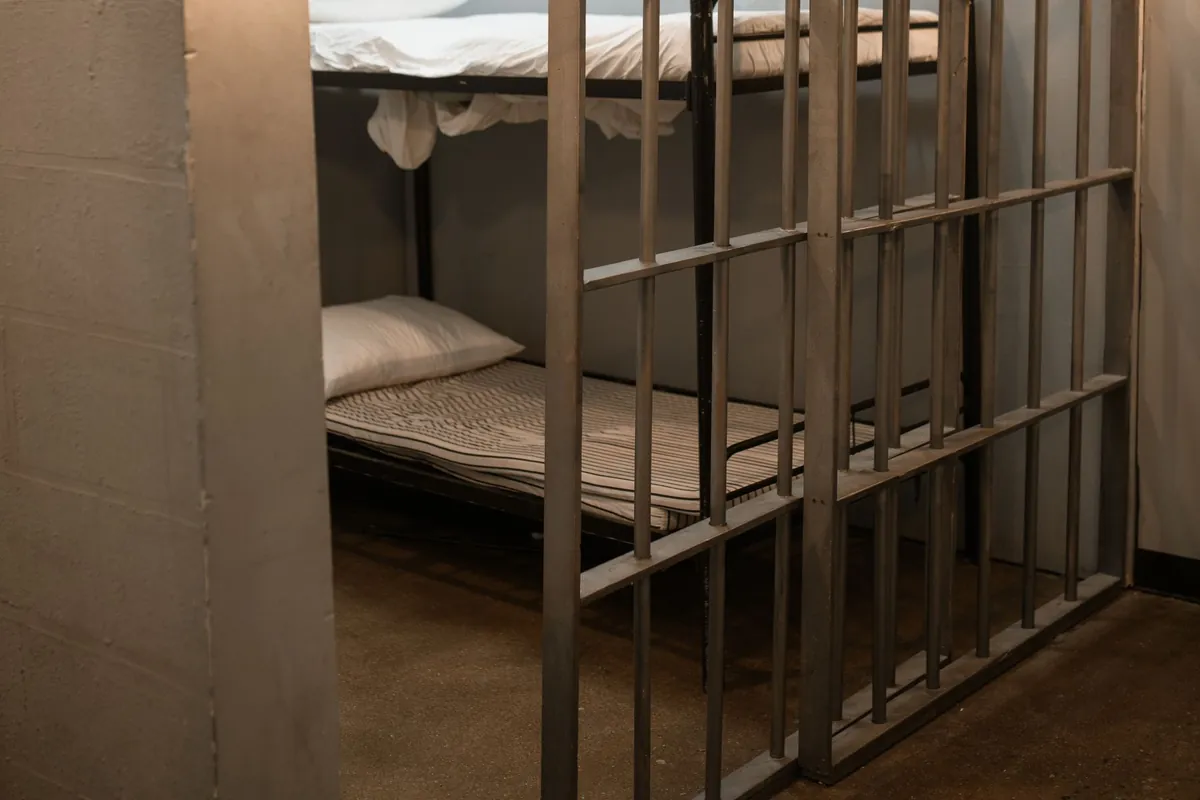
Cleaning a jail or holding cell is a controlled process that clears bodily fluids, blood, sharps, human waste and other contaminated items from booking areas, cells, related secure rooms and interview spaces before the area is cleaned, disinfected and treated for odor.
The facility must first confirm that no active investigation still includes the area. Correctional staff remain responsible for keys, access and the movement of occupants. Technicians clean the affected space as well as surrounding spots where equipment, shoes or fluid could have spread contamination.
Unlike routine janitorial work, remediation requires trained technicians wearing protective equipment. They establish separate clean and contaminated areas, discard material that disinfection cannot reach, and keep an EPA-registered disinfectant wet for the complete label contact time. Sharps and hazardous waste are packaged into the proper waste streams according to applicable rules.

Insurance companies, property owners and facility files may use available waste records, scope notes and photos where permitted.
Access routes, escort requirements, available work periods and movement restrictions vary for every situation. Explaining those requirements helps your facility select the right team.
Before the affected area reopens, your scope identifies included cleaning services such as contaminated material removal, disinfection, odor treatment and waste disposal.
Items marked as evidence or held as personal property stay in place until your authorized contact gives direction.
An ordinary custodial response is not enough for contamination involving porous materials or a larger spill. Situations that need professional cleanup include:
Inside a confined room, vomit, urine and other bodily fluids may reach benches, flooring, drains and frequently touched surfaces.
Feces on hard surfaces or soaked into bedding and other porous items requires controlled removal, cleaning, disinfection and odor removal.
Once authorized staff complete evidence work and release the area, biohazard remediation may be needed in a cell, booking space or interview room.
When an event reaches multiple cells, a hallway, shared area or movement route, a phased cleaning process may be needed.
Start by keeping staff safe, maintaining evidence and containing the affected area. Complete these steps before cleanup technicians enter:
Call (888) 351-0904No credible jail cleanup range appears in the approved cost data. The general biohazard cleanup guides supply comparison amounts: the residential average runs from $1,800 through $4,500 and the typical national range runs from $3,000 through $5,000 nationally. Most residential projects are listed between $2,500 and $8,000 in those guides, while the full published span runs from $1,500 through $25,000 overall. These comparison amounts are not prices for jail cells. Assessment of scope sets the facility price.
The figures shown are national ranges from published cost guides and are not based on an on-site visit. The price for your property is set after the on-site assessment, and you hear it before work starts.
Ask about cost: (888) 351-0904Usually, the responsible public or private operating entity or the facility arranges payment. The precise route varies according to the property and incident, along with the relevant insurance and contract terms.
Save waste paperwork, the incident reference and approved scope, along with completion photos when permitted. If insurance assistance is needed, ask the insurance company what records it can receive without revealing restricted details.
The location's approved emergency procurement process, purchase order or work order can be clarified by the administrator or purchasing contact.
A county, municipality, private operator or building owner may have different duties. Facility rules and the applicable contract identify the person authorized to approve payment.
The facility should notify the insurance company, retain its claim number and ask which scope notes, photographs and waste records are needed if coverage may apply.
Facility security needs and the contamination involved shape the cleanup plan. Throughout the job, the affected space should remain divided from clean areas, and each completed task should be clearly documented.
Technicians assess the released space with the facility contact, identify visible contamination and check likely transfer paths without disturbing possible evidence.
A boundary for the work is established within the secure space. Technicians put on protective equipment suited to the fluids, sharps and surfaces present.
Technicians place each needle or sharp straight into an approved container that resists punctures. Bags holding loose contaminated material are not compressed manually during collection.
When contamination soaks into unfinished wood, bedding, damaged walls or other absorbent materials, removal is needed if they cannot be completely disinfected. Repairs or restoration services, when required, are defined under another scope following biohazard cleaning.
Soil is cleaned from hard surfaces first. The next step uses an EPA-registered disinfectant that remains wet throughout the complete label contact time.
If assessment identifies a need to treat the air, HEPA air scrubbers, hydroxyl generators or similar equipment may be used after source removal.
Each waste container is sealed, marked and transferred according to the required disposal process. The facility may retain available documentation in its incident file.
Inspect affected areas for overlooked surfaces, remaining soil and cleaning product residue left behind. Before the room reopens, the facility representative verifies that the agreed scope is complete.
You can call anytime. You speak with a jail and holding cell cleanup specialist who outlines the process and schedules a start time with you.
Blood, bodily fluids, human waste and hidden sharps can create serious health risks for correctional staff, occupants and anyone cleaning the space.
Hepatitis B, hepatitis C and HIV may be present in blood. Because the CDC says hepatitis B may persist on surfaces for at least seven days, even dried blood calls for thorough cleaning and disinfection.
When waste affects grout, bedding, drains or floor seams, odor can build inside a small secured room. Source removal must happen before the air is treated.
Sharp fragments, needles or blades may cause injury and can penetrate waste bags. They need a puncture-resistant sharps container and the correct waste disposal path. Unknown hazardous materials should remain undisturbed while the facility confirms which safety procedure applies.
When a small blood spill is safe to clean yourself. Facility procedure determines who may clean a small spill. Use suitable protective gear and keep the chosen EPA-registered disinfectant wet for the product's full contact time, at minimum. Professional cleanup is appropriate for hidden or extensive contamination, material that has absorbed fluids, and areas containing sharps.
Many non-porous, hard surfaces can be disinfected after cleaning. Removal is needed for porous items when fluids soak beneath the surface where the cleaning process cannot reach.

Timing depends on how many areas are involved, which materials are affected, the amount of waste, security access and any need for odor treatment. Once the released space has been assessed, the cleanup team can determine a work window.
| Scene | Typical time on site |
|---|---|
| One cell with hard-surface contamination | Work window set after assessment |
| A single cell requiring removal of porous materials | Longer than hard-surface cleaning |
| Multiple cells, hallways or shared spaces | Often planned in secure phases |
First, the source of an odor must be found and removed. Deodorizing equipment comes later, after affected bedding, bodily fluids, human waste and residue in drains or flooring joints have been addressed. Contamination remains if it is only covered by fragrance.
After cleaning and disinfection, the room is checked again. HEPA air scrubbers can capture airborne particles, and hydroxyl equipment may help with remaining odor when suitable for the space. Vent covers and nearby surfaces are inspected so residue left behind does not keep affecting air quality.

Timing depends on how many areas are involved, which materials are affected, the amount of waste, security access and any need for odor treatment. Once the released space has been assessed, the cleanup team can determine a work window.
The full jail and holding cell cleanup guide covers what is cleaned or removed, odor and air quality work, and the rules that apply in Illinois.
Read the full jail and holding cell cleanup guideLocal population patterns, housing and site access may affect how containment and cleanup are planned.
Rental households account for 31.2% locally, which can add access questions when the affected room is inside a managed property.
In housing built around 1979, a moisture check can help define how far sewage or cleaning water traveled.
The 141 older residents who live alone may rely on family or neighbors to notice when something is wrong at home.
The 77.1% single-family share means odor may move through connected rooms and ventilation even without shared walls between households.
During your call, ask whether cleanup is available in surrounding communities and ZIP codes.
Bodily fluid cleanup and disinfection for homes, care settings and businesses.
See bodily fluid cleanup
Walls, carpets, furnishings and hard floors receive blood cleanup, with safe disposal afterward.
See blood cleanup
Human feces cleanup includes disinfection in homes, public restrooms and rental properties.
See human feces cleanup
Floors, underlying subfloors and furniture receive urine cleanup with odor removal.
See urine cleanup
Disinfection after vomit cleanup keeps norovirus and other germs from spreading further.
See vomit cleanup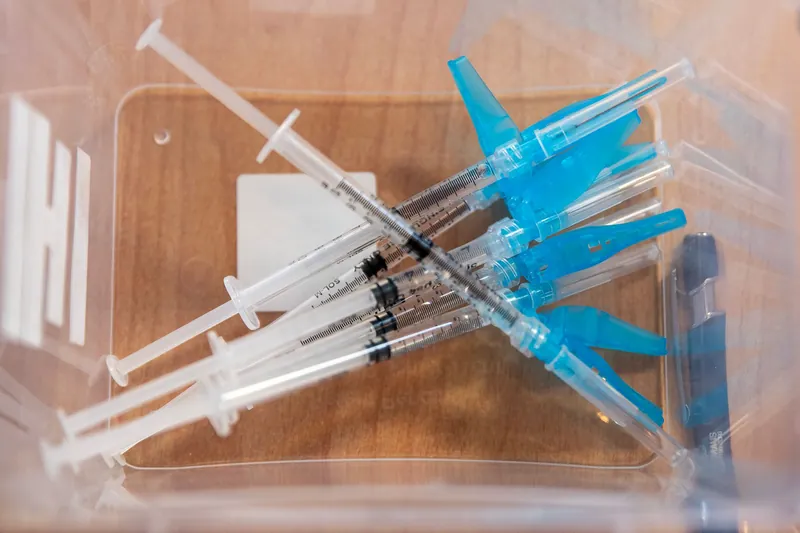
Yards, encampments, parks and rental properties receive needle and sharps cleanup.
See needle and sharps cleanup
Pickup and disposal of biohazard waste use containers that are sealed and labeled.
See biohazard waste disposal
Biohazard cleanup for commercial and industrial spaces is completed with limited downtime.
See commercial and industrial biohazard cleanupYes, once visible residue and contaminated materials are gone, the scope may include treatment for remaining odor. Damaged finishes, floor seams, bedding and drains may retain the material causing odor. After source removal, technicians may clean nearby surfaces and use suitable air treatment equipment. Scent products alone cannot take away the contaminated source of odor.
When contamination remains on its sealed exterior, a non-porous mattress cover without damage may be cleaned. Removal may be necessary if liquid penetrated a torn mattress or any absorbent material. Whether the item can remain depends on its construction, current state and access to every contaminated surface for cleaning and disinfection.
The product should be EPA-registered for the target organism and suitable for the surface. Visible soil is removed by cleaning first. The disinfectant must then remain wet for the full contact time stated on its label. The choice should also reflect ventilation conditions, compatibility with treated surfaces and any facility limits.
Whether coverage applies varies with the property, policy terms and event. Payment is generally arranged by the facility or by the private or public entity that operates it. Your administrator, risk representative or purchasing contact can identify who approves the scope and what incident documentation is needed.
Cleanup services may include waste disposal, odor removal, disinfection, cleaning, contaminated porous material removal, sharps collection, containment and assessment. Required work varies by the hazards found and their spread, including blood, other bodily fluids, human waste or needles reaching seams, fixtures and surrounding controlled spaces.
The schedule is determined once the cleared area has been evaluated. Several cells with affected bedding, wall materials, sharp objects or odor take a different process than one hard-surface area. Secure access, staff escorts and waste movement can also affect the work window. Phased work can allow other areas to remain operational during a larger project.
Respectful, discreet jail and holding cell cleanup is available 24 hours a day, and crews arrive in unmarked vehicles.