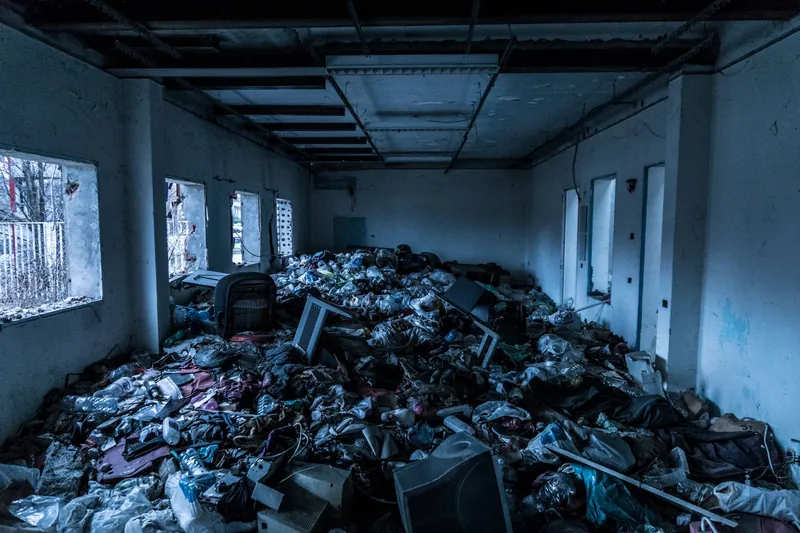
Hoarding Cleanup
Hoarding cleanup with respectful sorting, removal and deep cleaning.
See hoarding cleanupRemove animal waste, urine-soaked materials, contaminated clutter and ammonia odor from a home or rental in Edgebrook. Personal property is sorted before affected surfaces are cleaned.
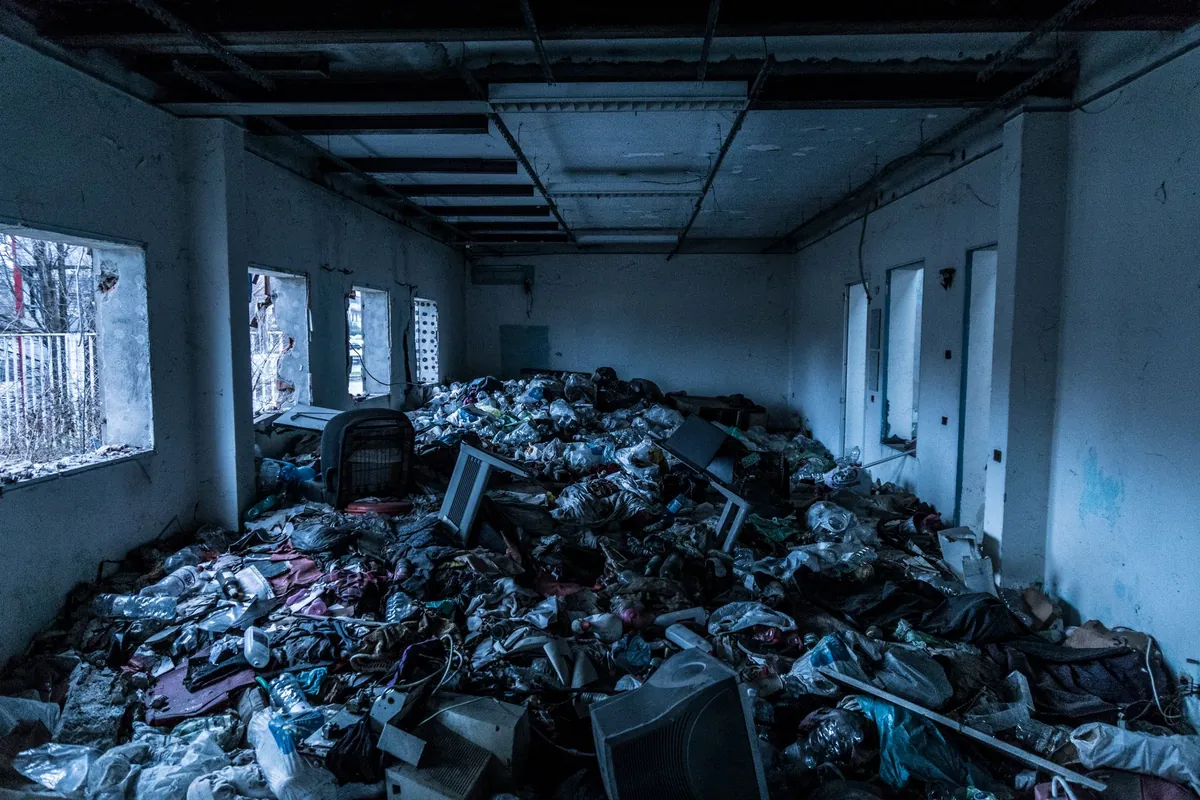
Animal hoarding cleanup is the removal of built-up feces, urine, affected clutter and porous items beyond recovery. After removal, exposed surfaces are cleaned, disinfected and treated at the source of any odor.
This work begins only after living animals have been removed or secured by the person or agency responsible for them. Cleanup workers do not decide animal ownership, veterinary care or legal custody. Their task is to make the affected area accessible, separate personal property from waste and address contamination left behind.
A home may need hoarding cleanup services, waste disposal, biohazard remediation and restoration services in different rooms. Hard, non-porous items may be cleanable. Carpet, padding, drywall, insulation, cabinets or subfloor may need removal when urine or feces has soaked through. The scope depends on what is found beneath the accumulation, not only what is visible at the door.
The crew arrives in unmarked vehicles. Work zones, bagging and loading can be planned to limit unnecessary attention around the property.
Your input guides every personal property decision. Approved belongings leave only after important records, photographs, medication and anything uncertain have been separated.
The plan separates sorting, removal, cleaning, disinfection, odor work and restoration so you can understand every step and the cost factors tied to it. This detail helps you decide whether you have the right team for the property.
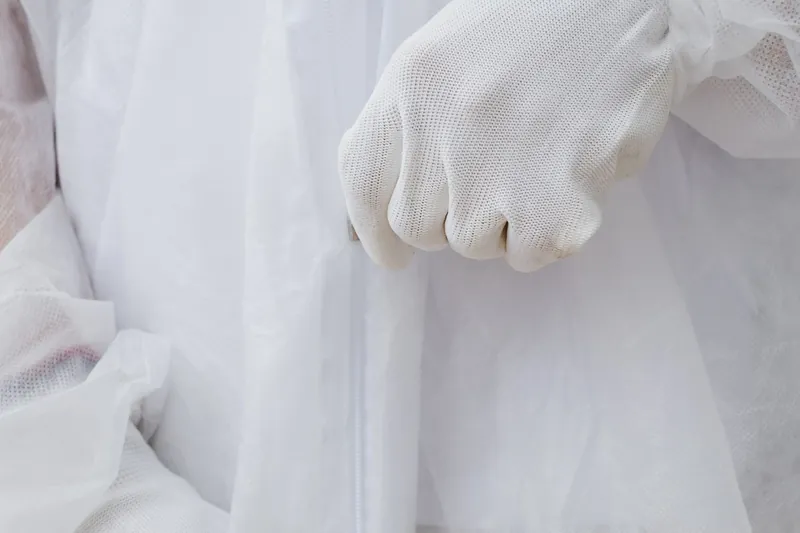
Work boundaries and protective equipment reflect risks from animal waste, sharp objects, unsafe piles and contaminated materials, preventing spread into clean areas.
Animal hoarding clean up is needed when waste and accumulation make ordinary cleaning unsafe, incomplete or emotionally unmanageable. Common situations include:
A tenant, property owner or estate representative needs contaminated contents documented, removed and cleaned after access and personal property decisions are settled.
Living animals have been moved to safety, leaving cages, litter, feces, urine and damaged household contents that require a controlled cleaning plan.
When urine repeatedly soaks into carpet, walls, cabinetry or subflooring, washing only the surface no longer reaches what causes the smell.
Family members or an estate representative need help locating records and keepsakes while separating them from waste, damaged furnishings and hazardous materials.
Before cleanup, secure every animal, verify your right to enter and keep the contaminated space separated. Begin with these precautions for your safety and the protection of belongings and animals:
Call (888) 351-0904Published costs for biohazard work in a hoarded property begin at $1,500 and reach $5,000. One pricing guide gives animal waste cleanup a range of $500 to $8,000. Another source shows $500 to $5,000. These figures help with planning and are not a quote. Your property's scope depends on waste quantity, the length of the buildup, affected materials, odor treatment and disposal needs.
The figures shown are national ranges from published cost guides and are not based on an on-site visit. The price for your property is set after the on-site assessment, and you hear it before work starts.
Ask about cost: (888) 351-0904Insurance does not automatically cover animal hoarding cleanup. Payment depends on the policy, the cause of damage, property responsibility and which parts of the cleaning the insurance company accepts.
The estate representative with authority needs to verify who may authorize the sorting, removal work and payment. Valuable records and keepsakes should be separated before the cleanup service removes damaged contents.
When requesting insurance assistance, ask about the cause of loss, needed documentation and photos, structural repairs versus waste removal and the deductible's effect. Save all receipts and the work scope.
Ask the insurer how coverage differs for a specific damaging event, animal waste, damage over time, upkeep, item removal and odor treatment.
Local requirements, the rental agreement and documentation of the home's condition can determine responsibility for arranging and paying. Access rights and decision authority need agreement between the property owner and tenant before personal property is moved.
Cleanup follows a safe progression: confirm animal clearance, assess hazards, sort belongings, remove affected material, clean the space and complete a walkthrough. Conditions vary by property, but the full process generally keeps this order:
Before anyone enters, the person in charge verifies safe placement for every living animal and confirms that the property is accessible. For every situation, a walkthrough identifies obstructed routes, waste, smells, material damage and restrictions placed by any agency.
Clean spaces remain apart from work areas. Cleanup technicians match protective gear to site conditions and choose an exit path that keeps contaminated materials away from saved belongings.
Papers, photographs, medication, keys and keepsakes go into a separate area for your decisions. Removal starts only after you mark what you want saved, set aside for later, given away or thrown out.
A controlled collection order applies when cleanup involves litter, loose animal waste, damaged cages, ruined contents and clutter you approve. Workers avoid pulling heavy bags across clean spaces.
Once exposed, flooring materials, drywall, insulation, cabinetry and subflooring are inspected for damage. Materials that cannot be fully cleaned may be removed under the applicable waste rules.
Workers first clean every exposed hard surface, then disinfect. When disinfection is appropriate, an EPA-registered product stays wet for the full contact time stated on its label.
Removal begins with feces, urine and affected porous material. Afterward, air scrubbers, HEPA vacuums and targeted methods can reduce the particles and smells left behind.
You inspect each cleaned space, saved belonging and material taken out. The plan lists restoration services separately for further pest control, structural work, floor replacement or other needs.

Call at any time. You speak with a animal hoarding cleanup specialist who outlines the process and schedules a start time with you.
You may face germs, airborne particles, irritating ammonia, pest activity and dangerous footing where animal waste has built up, particularly inside rooms with little ventilation.
Sharp metal, needles, damaged crate pieces and broken glass can remain hidden beneath bedding or inside bags. Unstable stacks can drop items while narrow routes increase the chance of tripping during the removal work.
Seeing the property's condition while worrying about the animals can be upsetting. With a documented sorting plan and separate keepsake area, you need not hurry personal property decisions. This structure can help you move forward one area at a time.
Urine odor at high concentration may cause irritation in the eyes and breathing passages. A strong smell may also show that urine has reached hidden porous materials that surface cleaning cannot restore.
When a small blood spill is safe to clean yourself. A small, recent pet accident on a sealed, non-porous surface may be cleaned with gloves and a suitable cleaner. Keep the surface wet for the complete contact time on the label of an EPA-registered disinfectant whenever you need to disinfect. Call for professional cleanup when the air irritates you or when widespread waste has entered absorbent materials or become combined with clutter or sharps.
One small affected area may take a day to clean, while animal hoarding work across multiple rooms may last several days. More time can be necessary throughout a home when blocked access, property decisions, contaminated building materials or later repairs add to the work.
| Scene | Typical time on site |
|---|---|
| A single small area that is easy to access | May take about one day |
| Several rooms with sorting and sanitation | May take several days |
| Repairs and material removal throughout the property | Timing is set after assessment |
Effective odor removal for an animal hoarding property begins by taking out its sources. Smell may remain in feces, litter and materials saturated with urine, including carpet, pad, drywall, cabinetry and subfloor. Fragrance only masks odor for a short time. It neither cleans the affected space nor removes contaminated material.
Cleaning of hard surfaces follows removal of contaminated sources, with disinfection added where necessary. Professional cleanup may also use air scrubbers and HEPA vacuums to reduce particles. Persistent smells at vents, cabinets, wall edges or floor seams warrant a check for contamination out of sight. Ozone treatment, when used, calls for cautious operation in an empty, controlled area. People and animals must stay out while it is underway.

When a worker could encounter human blood or material that is otherwise potentially infectious, OSHA Bloodborne Pathogens Standard, 29 CFR 1910.1030, requires protective equipment plus training and controls for exposure.
For proper use, confirm the disinfectant is EPA-registered for that purpose and allow its entire labeled contact time on the surface. First clean away visible soil, then disinfect.
Illinois treats soaked materials from a biohazard scene as potentially infectious medical waste (PIMW). Illinois EPA rules control how it is packed, transported and treated, so it cannot go in household trash.
Use written guidance from animal control, housing authorities, law enforcement, the court or the owner. Cleaning may begin once questions about animal custody and legal access have been settled.
One small affected area may take a day to clean, while animal hoarding work across multiple rooms may last several days. More time can be necessary throughout a home when blocked access, property decisions, contaminated building materials or later repairs add to the work.
The full animal hoarding cleanup guide covers what is cleaned or removed, odor and air quality work, and the rules that apply in Illinois and Cook County.
Read the full animal hoarding cleanup guide
Planning for access, containment and cleanup can depend on local population, housing and entry conditions.
Knowing that Amita Health Resurrection Medical Center is about 2.3 miles away helps households plan where to seek care before arranging scene cleanup.
Amita Health Resurrection Medical Center, about 2.3 miles away, is the nearest listed hospital, while Swedish Hospital is another emergency care option.
Travel from Edgebrook Manor, Old Edgebrook, or Wildwood may lead through the same area, so private staging should stay close to the affected property.
The Cook County location helps orient travel, while the neighborhood and full address identify where private cleanup work actually occurs.
Ask on the call about cleanup options for neighboring communities and ZIP codes.
Hoarding cleanup with respectful sorting, removal and deep cleaning.
See hoarding cleanup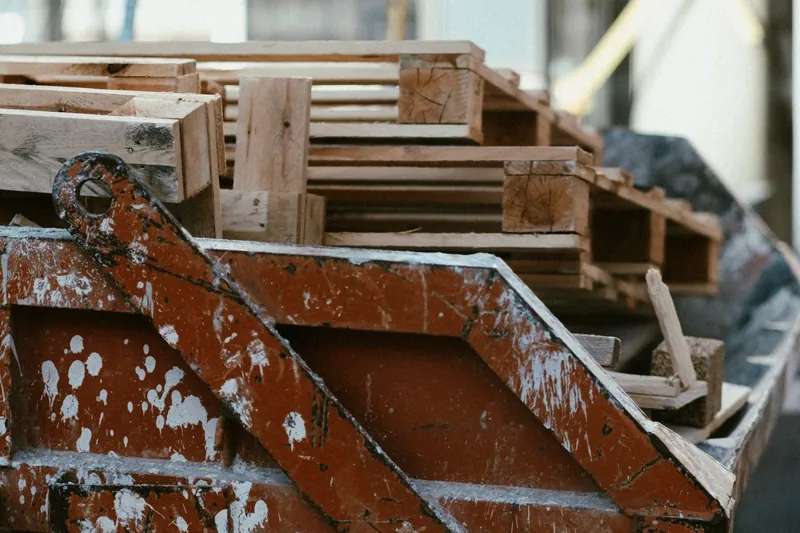
Hoarder house cleanout from the first room to the last, with trash hauled away.
See hoarder house cleanout
Homes made unsafe for living by squalor and filth receive cleanup.
See filth and squalor cleanup
Any property can be cleared of blood, bodily fluids and other infectious material, then disinfected.
See biohazard cleanup
After exposure to infectious or hazardous material, the air, room and surfaces are fully decontaminated.
See biohazard decontamination
Human feces cleanup includes disinfection in homes, public restrooms and rental properties.
See human feces cleanup
Urine cleanup and odor removal address furniture, floors and subfloors.
See urine cleanup
Death odor removal at the source with air scrubbers, hydroxyl and ozone treatment.
See death odor removalYour decision area should hold identification, animal papers, photographs, letters, medication, keys and anything valuable. Cleaning may be possible for non-porous, sealed objects once their condition has been evaluated. After urine or feces soaks in, fabric, paper, unsealed wood and upholstered contents can be much harder to restore. Do not throw away an uncertain item until the person with authority approves it.
One published guide lists animal waste cleanup at $500 to $8,000, and another gives a range of $500 to $5,000. Biohazard handling inside a hoarded home is listed at $1,500 to $5,000. The final scope is shaped by waste quantity, accumulation time, odor treatment, disposal rules, personal property sorting and affected walls and flooring.
In many cases, yes, but first you must locate its source. Surface cleaning may not reach urine in carpet padding, subfloor, drywall or cabinets. Removal may be necessary for material that cleaning cannot restore. Once odor sources are gone, cleaning can address hard surfaces and focused air quality treatment may start. When odor comes back, an affected area out of view usually remains untreated.
Germs, irritating gas and particles in the air can reach people through exposure to animal waste. A confined area with built-up urine can develop an intense ammonia odor that causes irritation to eyes and breathing passages. Widespread contamination, airborne dry particles, weak ventilation, pest activity and concealed sharp objects can all increase the risk.
Insurance decisions depend on what caused the damage and your policy. Insurers can treat ongoing animal damage, regular cleaning, taking out belongings and an independent covered loss as different issues. Ask the insurance company which cause of loss applies, what records it needs, whether waste removal and repairs are separate, and how the deductible affects payment.
Not every home requires animal control involvement, though all living animals need to reach safety prior to cleanup. Follow all directions and make sure entry is allowed if law enforcement, an agency or the court is involved. Workers performing cleanup cannot determine custody or ownership. Before anyone relocates records, cages or impacted items, answers to those questions must be established.
Crews offer discreet and respectful animal hoarding cleanup, arrive in unmarked vehicles and take calls 24 hours a day.