Human Feces Cleanup
Human feces cleanup includes disinfection in homes, public restrooms and rental properties.
See human feces cleanupGet feces, urine, vomit, blood and other bodily fluids removed from a home, rental, care setting or workplace in Dyer. The affected area is cleaned, disinfected and checked before it is used again.

Bodily fluid cleanup is the safe removal of feces, urine, vomit, blood and other human waste, followed by cleaning, disinfection and odor treatment of the affected area.
Unlike routine housekeeping, this work accounts for fluid hidden in grout, unfinished wood, carpet pad, wall cavities or seams. Cleanup technicians inspect both the contamination and nearby areas. They safeguard clean rooms and evaluate which items can receive disinfection. When biohazard remediation is extensive, the process may extend to odor removal, containment, safe waste packaging and disposal.
Repeated contamination and a single recent spill are both situations for bodily fluid cleaning services. This work includes urine and feces cleanup, human feces cleanup, or vomit cleanup in workplaces, homes, schools, apartments, hotels, restrooms and care settings. The aim is a space ready to use again after source removal and treatment with products suited to each surface.

Unmarked vehicles are used by crews, and your call is answered during the day or at night. The conversation about your circumstances stays calm while only required work areas are opened.
Photos, a clear scope and available waste records can be organized for property owners, managers and an insurance company reviewing the event.
Cleanable belongings and keepsakes are separated from disposable materials. A conversation with you comes before an item removal choice whenever the conditions permit.
The right team explains what is affected, what can stay, what may need removal and how the cleaning process will move forward before work begins.
Professional cleanup is appropriate when bodily fluids cover a broad area, enter porous materials or create a health concern that ordinary cleaning cannot resolve. Every situation is different, but common needs include:
Repeated accidents that saturate mattresses, subfloor, carpeting and baseboards can leave lingering odor and contamination, creating a need for feces and urine cleanup.
Blood and other fluids from an accident may reach flooring, furniture, walls or equipment in a home or workplace.
Professional human feces clean up may be needed when a toilet accident, illness or loss of mobility leaves fecal matter on flooring, bedding, walls and nearby belongings.
A welfare check, move-out or cleaning of a severely neglected building may reveal human or animal waste.
Protect people first and avoid spreading material beyond the original spot. If this is an emergency response or law enforcement is involved, wait until the area is released to you. Take these steps while arranging a cleaning service:
Call (888) 351-0904For cleanup of a small fluid or blood incident, published guides list $500 to $2,500. A wider figure comes from one blood cleanup pricing guide, which gives $300 to $4,000. The figures support comparison rather than setting one charge for every job. Actual bodily fluid cleanup cost varies with the fluid, affected space, surface types, disposal of waste and necessary odor treatment.
The figures shown are national ranges from published cost guides and are not based on an on-site visit. The price for your property is set after the on-site assessment, and you hear it before work starts.
Ask about cost: (888) 351-0904Your policy may or may not cover the work, based on the contamination's cause as well as its terms, limits and deductible. Before approving work that is not urgent, ask your insurance company specifically about biohazard cleanup.
Before removal, business managers and property owners can ask the adjuster what records are required and whether the building policy applies to damaged materials.
Store invoices and the claim number along with photos, the work details and waste paperwork. Insurance companies determine whether coverage applies, and cleaning records cannot promise reimbursement.
You can ask the Indiana crime victim compensation program whether eligible cleanup costs may be included in a claim. Insurance is usually checked first.
Cleanup related to a sudden covered occurrence might qualify under a policy, while maintenance, neglect and regular sanitation are often considered another way. Verify what your coverage says.
This bodily fluid remediation process covers every stage between the opening assessment and final check. To protect clean rooms from transferred contamination, trained technicians and trained professionals work in a controlled sequence. The particular fluid, distance traveled and affected materials shape their approach.
The crew identifies sharps and hazardous materials requiring special care, along with the source, porous materials, nearby surfaces and affected areas.
Clean rooms are isolated from the work zone. Selection of protective gear for the exposure covers eye protection, clothing and gloves.
Before moisture-based cleaning starts, careful collection of pooled fluids and solids helps keep material from splashing or reaching surrounding areas.
Soft furnishings, carpet pad, unsealed wood and damaged drywall might need removal if fluid has absorbed too deeply to clean fully.
Remaining surfaces are cleaned first, then treated with an EPA-registered disinfectant for the full contact time stated on its label.
The team checks and cleans door knobs, fixtures, switches and surrounding surfaces wherever hands, equipment or shoes might have transferred material.
Applicable waste requirements guide the sealing and routing of discarded material. Odor treatment begins only after the contamination source is gone.
The affected space receives a final check for soil or smells that remain. Photos, disposal documentation and the work scope may help with property records and insurance assistance.

Call any hour. You speak with a bodily fluid cleanup specialist who outlines the process and schedules a start time with you.
Bodily fluids may carry germs or combine with infectious material. Contamination can also remain beneath the visible surface when porous materials absorb it.
Blood may contain HIV, hepatitis C or hepatitis B. The CDC says hepatitis B can survive on surfaces for at least seven days, so dried blood still requires care.
Absorbent materials include carpet, mattress fabric, pad, unsealed wood and drywall. Surface wiping can leave underlying odor and contamination behind.
Disease-causing parasites, viruses and bacteria may be present in fecal matter. Touching it or transferring it to food, hands and high-touch surfaces can spread illness.
When a small blood spill is safe to clean yourself. You might manage a fresh, limited spill on a non-porous hard surface by wearing disposable gloves, removing it carefully and applying an EPA-registered disinfectant for its complete labeled contact time. Professional cleanup is needed for an unknown source, any blood, involved sharp objects, widely spread waste or fluid absorbed by carpet, drywall, wood or furniture.
The time depends on the size of the affected area, how deeply fluid soaked in and whether materials must be removed. A recent surface spill takes less work than repeated contamination across several rooms.
| Scene | Typical time on site |
|---|---|
| Small spill on one hard surface | Cleaning, disinfection and contact time |
| One room with porous materials | Material removal followed by cleaning, disinfection and odor inspection |
| Several rooms or repeated contamination | Removal and cleaning performed in steps over more time |
Source identification and removal begin the odor work. Urine, vomit or feces may smell less noticeable under fragrance for a little while, but any fluid beneath floors, behind baseboards or within furniture remains uncleaned.
Once contaminated items are out and cleaning is complete, ventilation and drying can begin. During the work, HEPA air scrubbers may assist in capturing particles in the air. An odor that persists may mean fluid is still held by porous material. Final inspection should therefore cover wall bases, nearby contents, seams and floor edges.

When employees could encounter blood or some other potentially infectious materials, the OSHA Bloodborne Pathogens Standard, 29 CFR 1910.1030, establishes workplace rules for training, protective equipment and exposure control.
Use every EPA-registered disinfectant exactly as its labeling directs. The surface needs to remain wet for the stated contact time before the product has completed that step.
Indiana medical waste requirements come from the state environmental or health agency. Ask the cleanup company how affected materials will be packaged, moved and treated.
The county medical examiner or coroner investigates qualifying deaths. Cleanup starts after the scene is released.
The time depends on the size of the affected area, how deeply fluid soaked in and whether materials must be removed. A recent surface spill takes less work than repeated contamination across several rooms.
The full bodily fluid cleanup guide covers what is cleaned or removed, odor and air quality work, and the rules that apply in your state.
Read the full bodily fluid cleanup guide
Local housing, population and access details can shape containment, access and cleanup planning.
The 12.3% renter share suggests many residents can make direct decisions about removing contaminated flooring, walls, or personal items.
In housing built around 1993, selective removal can expose affected layers without disturbing finishes outside the cleanup boundary.
A 24.0% share living alone still matters because delayed discovery can increase odor movement and the amount of affected material.
The local 90.7% single-family share makes household level privacy practical while affected rooms are isolated and treated.
Ask on the call about cleanup options for neighboring communities and ZIP codes.
Human feces cleanup includes disinfection in homes, public restrooms and rental properties.
See human feces cleanup
For furnishings, flooring and subfloors, urine cleanup includes odor removal.
See urine cleanup
Vomit is cleaned and the area disinfected to stop the spread of norovirus and other germs.
See vomit cleanup
Walls, carpets, furnishings and hard floors receive blood cleanup, with safe disposal afterward.
See blood cleanup
Blood spill cleanup removes spills of any size, including fresh and dried blood.
See blood spill cleanup
Cleanup that controls hepatitis B, hepatitis C and HIV exposure from blood.
See bloodborne pathogen cleanup
Complete decontamination treats the room, its surfaces and the air after a hazardous or infectious exposure.
See biohazard decontamination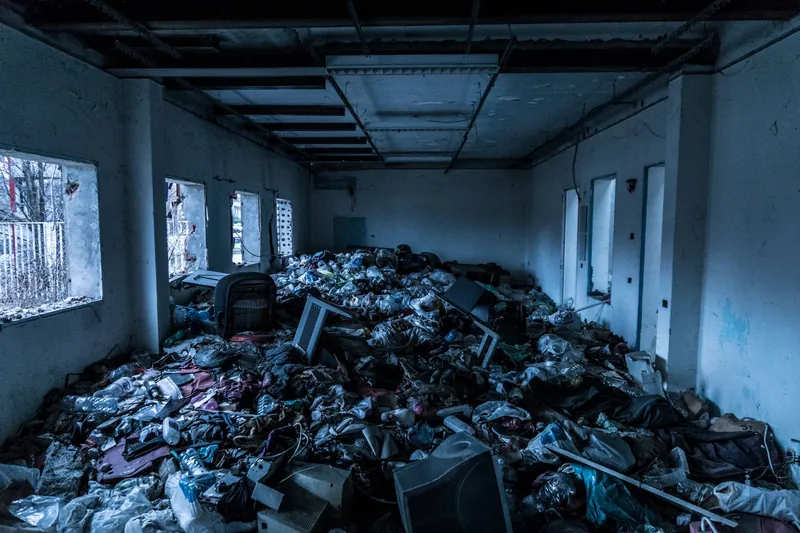
Hoarding cleanup with respectful sorting, removal and deep cleaning.
See hoarding cleanupYour policy and the reason for the loss affect whether it is covered. Insurers may distinguish a covered unexpected incident from normal cleaning, maintenance or neglect over time. Contact your insurance company, describe what happened and ask about biohazard cleanup, the deductible, documentation and approval requirements before non-urgent removal begins.
The conditions are important, although urine by itself receives different treatment from blood. Urine may contain germs, blood or feces, and recurring exposure can penetrate far into furniture and floors. Wear gloves when cleaning a minor surface spill. Help is appropriate for an unknown source, a broad area or involvement of absorbent surfaces.
Not necessarily. Gloves, an appropriate disinfectant and cautious cleaning might make a newly spilled, known substance manageable when it affects only a small area of intact non-porous material. Call for professional cleanup when blood or sharp objects are involved, the source is unknown, fluid entered porous materials or the affected area is too large to control safely.
Published comparison data lists small blood or fluid cleanup at $500 to $2,500. Another published guide places blood cleanup prices between $300 and $4,000. Fluid, surface, area, disposal requirements and smell treatment all influence the actual cost. An inspection is required because each property is not described by the available published ranges.
Begin by preventing access and wearing appropriate single-use gloves. Do not sweep or vacuum dried feces. Remove solid waste without splashing, clean what you can see and apply an appropriate EPA-registered product to the undamaged hard surface exactly as its label states. Professional human feces removal is safer for large areas, porous materials or unknown hazards.
Certain bodily fluids can hold infectious substances, and blood, feces or other contamination may be mixed into any fluid. Both the fluid involved and surrounding conditions affect risk. Keep material off bare skin, shield your eyes and cuts, and use caution with contamination you cannot identify. Seek professional cleanup when fluid soaks into porous surfaces or spreads across a large area.
You can request respectful, discreet bodily fluid cleanup 24 hours a day, and crews use unmarked vehicles.