Residential Biohazard Cleanup for Houses and Apartments
Houses and apartments, including condos and high-rise units, can receive sewage cleanup plus cleaning after death, crime, blood or hoarding.
Learn moreWhen a death, a crime, hoarding or a sewage backup leaves a biohazard behind in Ducktown, a cleanup specialist can explain the next steps.
Local population patterns, housing and site access may affect how containment and cleanup are planned.
At roughly 1.4 miles away, Mt Sinai Hospital Medical Center is the closest listed hospital for urgent care after a cut, puncture, or exposure.
Nearby places include McKinley Park, Mount Pleasant, and South Brighton, so share the full street address and any building or unit number when you call.
Properties within this Chicago neighborhood may share alleys, entries, or parking, so equipment movement should be planned around nearby residents.
The safe disposal, removal and disinfection of bodily fluids, blood, tissue and other hazardous materials after an accident, crime, death, sewage backup or hoarding situation is biohazard cleanup.
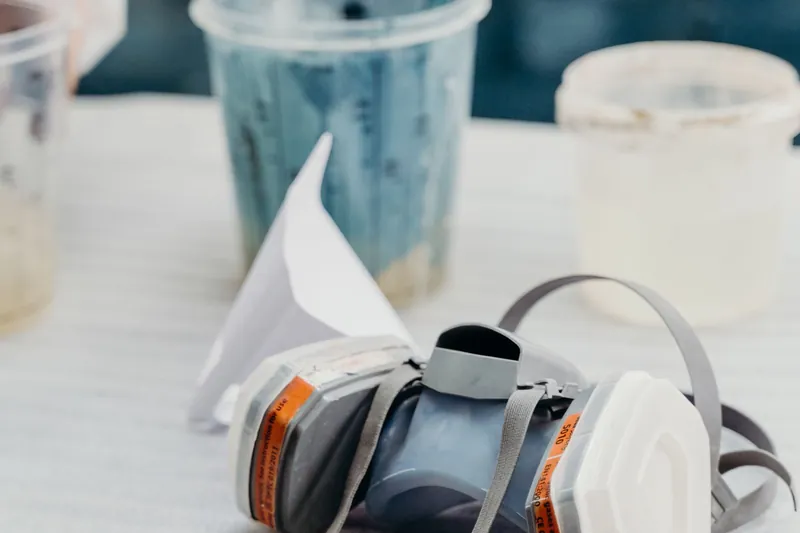
Bio cleanup, trauma cleanup, bio hazard cleaning and biohazard remediation describe the same work. Professional biohazard cleanup goes beyond ordinary deep cleaning. Using personal protective equipment, technicians trace every place contamination reached, remove porous items beyond disinfection, then restore affected areas to a livable condition.
After traumatic events in Ducktown, crime scene cleaning and other specialized cleaning can begin as soon as the property is released. Biohazard removal services across the surrounding areas include scene cleaning, hazardous waste disposal and fentanyl cleanup, with emergency response at any hour. Crime scene cleaners aim to restore safety while giving families respectful, compassionate service.
The health hazards from biohazards are real. What is visible usually represents only part of the contamination.
During decomposition, released bacteria, liquids and gases soak through floors and spread to other areas by way of vents.
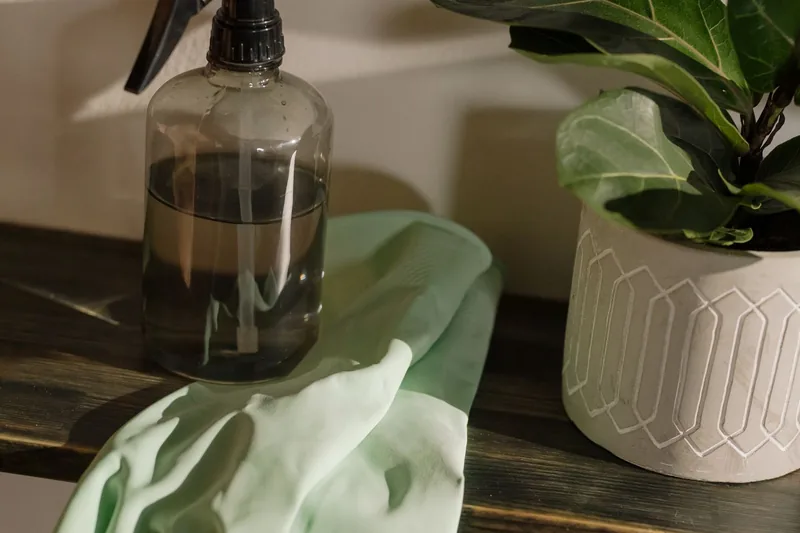
Although bleach and sprays may clean on top, absorbed fluids remain in drywall, subfloor, carpet and its pad. Contamination left behind causes bacteria and odors to return, so decontamination services take out the source.
Hepatitis B, hepatitis C and HIV can live in blood. The CDC says hepatitis B can survive on surfaces for at least seven days.
Within 24 to 48 hours, wet materials may begin growing mold. Raw sewage carries salmonella, hepatitis A and E. coli.
Houses and apartments, including condos and high-rise units, can receive sewage cleanup plus cleaning after death, crime, blood or hoarding.
Learn more
Following break-ins, exposures, injuries or industrial accidents at commercial properties, you can arrange commercial biohazard cleanup around operating hours.
Learn more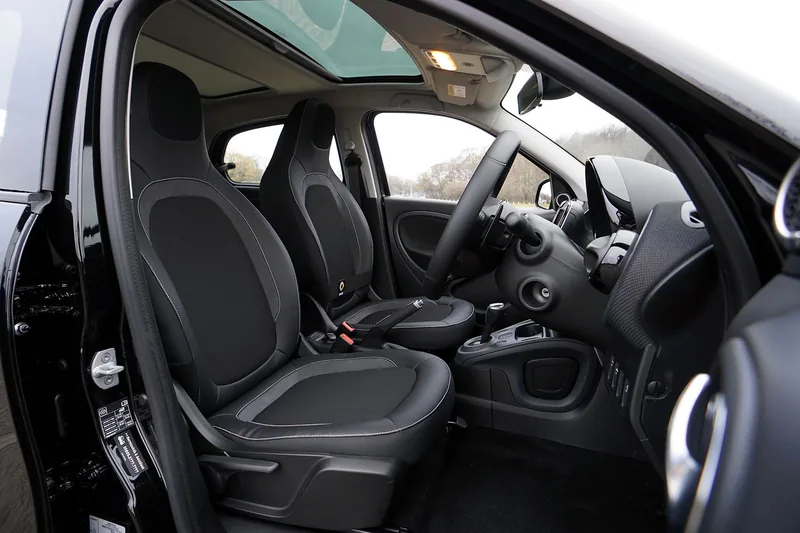
Vehicle biohazard cleanup removes blood, bodily fluids and odors from carpet, vents and seating.
Learn more
Cleanup gets a unit ready for rental use and includes records for the owner and insurer.
Learn moreChoose the cleanup page suited to your situation. Call if you are uncertain about which cleanup service fits.
Most people only face this once. Your health, claim and final cleanup cost are protected by the first actions you take.
Call (888) 351-0904Each job follows the same safe biohazard cleanup process, beginning with your call and ending with the final inspection.
You start by describing the situation. You and the technicians agree on the scope after they inspect the scene and take photos.
Technicians enclose the affected area in plastic so other parts of the property stay separated.
When infectious materials enter porous items such as drywall, carpet or pad, those items are cut away and contained as medical waste, with nothing left behind.
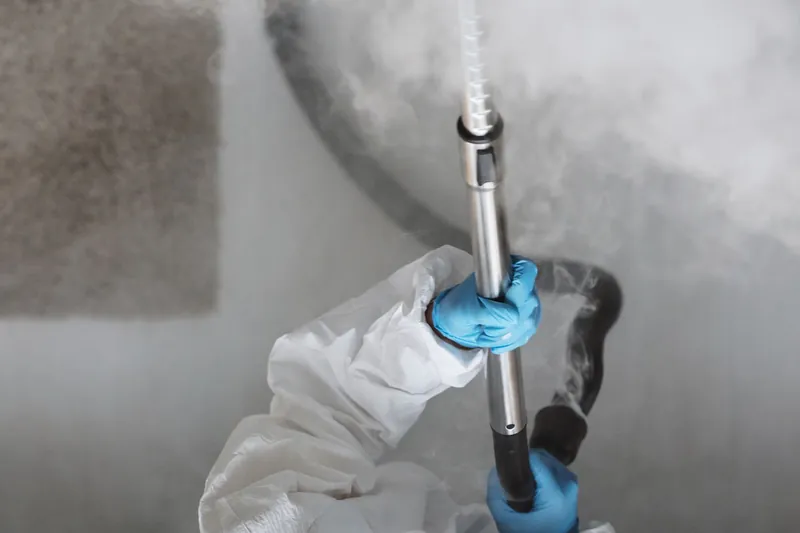
Every surface is cleaned and treated with EPA-registered, hospital-grade disinfectant.
Treatment reaches the source of odors with hydroxyl, air scrubbers or ozone, followed by a check of the vents.
Tracking paperwork follows sealed waste to a permitted facility where medical waste is treated.
The space is inspected and, where appropriate, ATP tested to confirm a livable condition, and documentation and photos are prepared for your claim.
Rebuilding areas where drywall or floors were taken out can be done by your contractor or the insurer's vendor.
The Fixr guide shows $3,000 to $5,000 as the usual national range when you hire biohazard cleanup. Different kinds of jobs carry different prices. Minor blood cleanup is listed at $500 to $2,500, while a sewage backup is listed at $2,000 to $10,000. An on-site assessment determines the actual price.
Often, yes. After a sudden death, crime or sewage backup, homeowners or renters insurance often covers biohazard cleanup minus your deductible.
For common spaces and rental properties, cleanup is typically arranged and paid for by the property owner or manager.
Accidental events are commonly covered when sudden. Long-term neglect and hoarding are generally excluded. Contact your insurer ahead of any cleanup.
Payment for death cleanup can often come out of the estate. The executor or a family member usually takes care of this.
The Illinois Attorney General's Crime Victim Services Division lists crime scene cleanup among the costs its compensation program can help offset, so victims of violent crime can ask about it. Insurance is usually checked first.
Call at any time. You can ask a cleanup specialist what happens next at your property.
Biohazard cleanup can remain private. Crews use unmarked vehicles, limit noise and protect details from others living nearby or working in the building.
A biohazard is any biological material that can cause disease, such as blood, bodily fluids, tissue, human or animal waste, raw sewage and used needles.
After your deductible, numerous renters or homeowners policies cover biohazard cleanup caused by a sudden event. Hoarding and slow neglect are usually not covered.
Symptoms from sewage germs often start within one to three days, and some infections take longer. Avoid contact and keep children and pets away.
For biohazard cleanup, a typical national range is $3,000 to $5,000 according to Fixr. Minor blood cleanup is listed at $500 to $2,500, while a sewage backup is listed at $2,000 to $10,000.
Someone answers your call 24 hours a day, on weekends and holidays too.