Hoarding Cleanup
Respectful sorting, item removal and deep cleaning are included in hoarding cleanup.
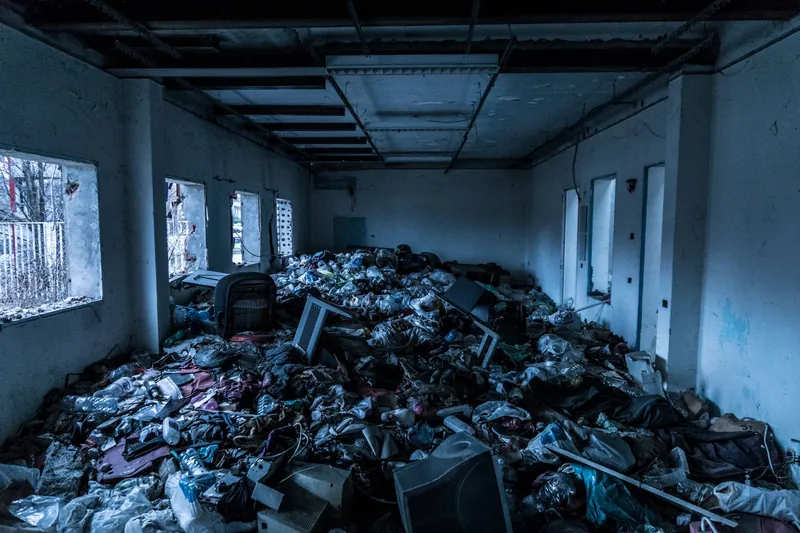
See hoarding cleanupRemove animal waste, urine-soaked materials, contaminated clutter and ammonia odor from a home or rental in Drexel Estate. Personal property is sorted before affected surfaces are cleaned.
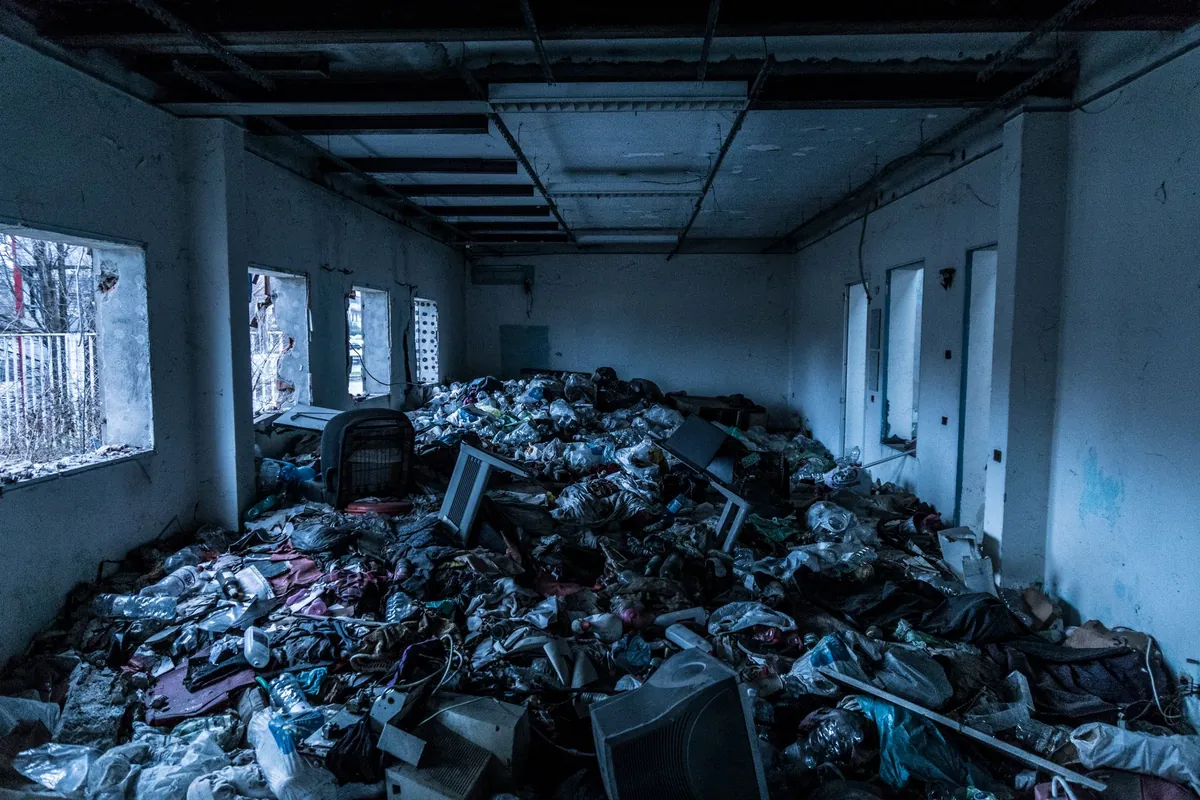
Animal hoarding cleanup clears accumulated urine and feces along with contaminated clutter and damaged absorbent materials. The remaining exposed surfaces then receive cleaning, disinfection and source-based odor treatment.
Before work begins, the person or agency in charge of the animals must remove them or place them somewhere secure. Decisions about ownership, custody and veterinary treatment remain outside the cleanup workers' role. Workers focus on opening access through the affected space, sorting belongings away from waste and cleaning the contamination that remains.
Different parts of one home may call for hoarding cleanup, biohazard remediation, waste disposal or later restoration. A hard item without pores might be suitable for cleaning. When feces or urine penetrates absorbent materials, carpet, pad, cabinets, drywall, insulation or subfloor might have to come out. The actual scope is based on conditions uncovered below the buildup, rather than the view from the entrance alone.
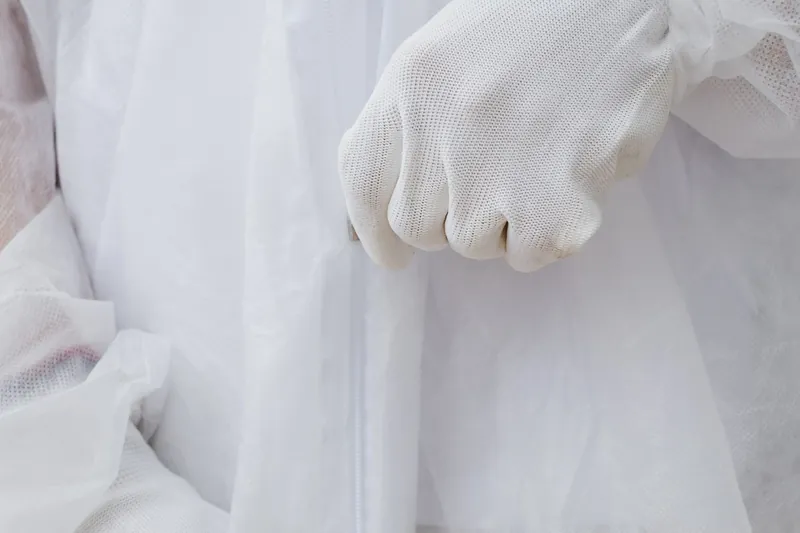
Protective equipment and work zones are matched to animal waste, sharps, unstable piles and contaminated materials so they are not carried into clean areas.
Unmarked vehicles are used when crews arrive. The arrangement of cleanup zones, material bagging and vehicle loading can be designed with privacy around the home in mind.
Your input guides every personal property decision. Before authorized contents are taken out, documents, photos, medicines and items awaiting a decision are placed apart.
You can understand every step and its cost factors because the plan divides sorting, removal, surface cleaning, disinfection, odor treatment and restoration. Detailed information lets you judge whether this is the right team for your property.
Waste buildup can make routine cleaning unsafe, inadequate or emotionally overwhelming. In those conditions, animal hoarding clean up may be appropriate for situations such as:
Directions issued by animal control, a local housing office or another authority need to be clear before evidence or contents can be moved.
The tenant, owner or estate representative needs affected contents recorded, removed and cleaned once personal property choices and access are settled.
Living animals have been moved to safety, leaving cages, litter, feces, urine and damaged household contents that require a controlled cleaning plan.
Repeated urination has reached carpet, wall edges, cabinets or subfloor, and surface washing no longer removes the source of the smell.
First make sure the animals are safe, entry is permitted and the affected area has clear boundaries. To protect yourself, important possessions and every animal, follow these initial steps:
Call (888) 351-0904Published pricing guides list animal waste cleanup from $500 to $8,000. A separate guide lists $500 to $5,000. Biohazard handling inside a hoarded home is listed at $1,500 to $5,000. These are planning ranges, not a quote. The amount of waste, buildup time, affected materials, odor work and waste disposal determine the scope for your property.
These ranges come from published national cost guides, not from a site visit. An on-site assessment determines your property's price, which is explained to you before the cleanup starts.
Ask about cost: (888) 351-0904Insurance does not automatically cover animal hoarding cleanup. Payment depends on the policy, the cause of damage, property responsibility and which parts of the cleaning the insurance company accepts.
An authorized estate representative should confirm who can approve sorting, removal and payment. Before the cleanup service removes affected contents, valuable documents and keepsakes need placement in a separate area.
When requesting insurance assistance, ask about the cause of loss, needed documentation and photos, structural repairs versus waste removal and the deductible's effect. Retain the scope document along with receipts.
Payment and arrangement responsibilities can change based on local rules, lease terms and evidence of the property condition. The tenant and property owner should settle access and authority before personal property is moved.
Check if the policy covers damage tied to a particular event and treats animal waste, slow damage, maintenance, removing contents and odor work as separate issues.
Each property is different, yet a safe sequence normally begins with clearing animals and assessing hazards. Sorting and removal come next, followed by cleaning and the closing walkthrough. The stages are:
Property entry begins after the responsible party confirms both safe placement for living animals and permission to access the site. Every situation includes a property walkthrough to document waste, blocked access, odor sources, damaged items and agency directions.
The work area is isolated from clean rooms. Cleanup technicians plan where contaminated materials will exit and select protective gear suited to the hazards, avoiding belongings kept safe.
A protected decision space holds documents, photos, medicines, keys and meaningful belongings. Removal starts only after you mark what you want saved, set aside for later, given away or thrown out.
When cleanup involves loose waste, soiled litter, broken cages, spoiled items and approved clutter, collection follows a planned sequence. No heavy bag is dragged through an unaffected room.
The condition of carpet, pad, wallboard, insulation, cabinets and subfloor is examined following contamination. Waste regulations guide the possible removal of affected material that cannot be restored through cleaning.
Workers first clean every exposed hard surface, then disinfect. If the area should be disinfected, label directions determine how long the EPA-registered product needs to remain visibly wet.
Workers first take out animal waste and damaged absorbent materials. HEPA filtration, air-scrubbing equipment and specific treatments may be used next for lingering airborne particles and odor.
Clean rooms, retained items and removed contents are ready for your inspection. The plan lists restoration services separately for further pest control, structural work, floor replacement or other needs.

You can call anytime. You speak with a animal hoarding cleanup specialist who outlines the process and schedules a start time with you.
You may face germs, airborne particles, irritating ammonia, pest activity and dangerous footing where animal waste has built up, particularly inside rooms with little ventilation.
Contact with animal feces may transfer microorganisms to nearby surfaces, footwear or your hands. Dust can enter the air during dry sweeping. Large accumulations can raise serious health concerns, so waste should be collected without spreading it through clean rooms.
Hidden in bags and bedding may be needles, shattered glass, damaged cages or sharp pieces of metal. Unstable stacks can drop items while narrow routes increase the chance of tripping during the removal work.
Concentrated urine odor can irritate the eyes and breathing passages. Urine may have soaked into hidden absorbent material beyond the reach of surface cleaning when a powerful smell remains.
When a small blood spill is safe to clean yourself. You may use gloves and an appropriate cleaner for a recent, limited pet accident on a sealed surface that is not porous. Follow an EPA-registered disinfectant label and its full contact time when disinfection is needed. Seek professional cleanup when waste covers a large area, has soaked into porous materials, is mixed with sharps or clutter, or the air causes irritation.
Animal hoarding clean up can require one day when the affected space is limited, or several days when several rooms are involved. A whole house may take longer if pathways are blocked, belongings must be sorted, building materials are contaminated or repairs follow the cleaning.
| Scene | Typical time on site |
|---|---|
| One contained space with an open path | May take about one day |
| Several affected spaces needing sorting and cleaning | May take several days |
| Whole home with material removal and repairs | Timing is set after assessment |
Odor work starts by locating and removing each source. Animal feces, used litter and urine-damaged carpet, padding, cabinets, drywall or subfloor can continue to smell. Fragrance may hide that smell briefly, but the contaminated material remains and the area is still not clean.
Once odor sources are gone, hard surfaces can be cleaned and, when appropriate, disinfected. During professional work, air scrubbers and HEPA vacuuming may lower airborne particles. Odor lingering beside walls, within floor joints, around cabinets or near vents can indicate hidden contamination that needs inspection. If ozone is part of treatment, the space must be vacant and controlled, with careful operation. No person or animal should remain during that treatment.

Under OSHA Bloodborne Pathogens Standard, 29 CFR 1910.1030, workers need training, exposure precautions and protective equipment if human blood or potentially infectious material may be present.
Choose an EPA-registered disinfectant suitable for the intended use, and keep the surface wet for every minute of labeled contact time. Disinfection follows the cleaning of visible material.
Illinois treats soaked materials from a biohazard scene as potentially infectious medical waste (PIMW). Illinois EPA rules control how it is packed, transported and treated, so it cannot go in household trash.
Follow written directions from animal control, housing officials, law enforcement, a court or the property owner. Animal custody and lawful property access must be confirmed before cleanup can start.
Animal hoarding clean up can require one day when the affected space is limited, or several days when several rooms are involved. A whole house may take longer if pathways are blocked, belongings must be sorted, building materials are contaminated or repairs follow the cleaning.
The full animal hoarding cleanup guide covers what is cleaned or removed, odor and air quality work, and the rules that apply in your state.
Read the full animal hoarding cleanup guide
Local population patterns, housing and site access may affect how containment and cleanup are planned.
At roughly 1.5 miles away, St Bernard Hospital is the closest listed hospital for urgent care after a cut, puncture, or exposure.
For planning after exposure, note St Bernard Hospital at approximately 1.5 miles and the additional listed facility, Holy Cross Hospital.
The surrounding area includes South Lynn, West Englewood, and Chicago Lawn, so cleanup travel may cross several local streets or municipal boundaries.
Because this is a neighborhood within Chicago, cleanup access may depend on local parking, common entrances, or building management rules.
Your phone conversation can include questions about service in nearby ZIP codes and communities.
Respectful sorting, item removal and deep cleaning are included in hoarding cleanup.
See hoarding cleanup
Hoarder house cleanout from the first room to the last, with trash hauled away.
See hoarder house cleanout
Filth and squalor cleanup for homes that have become unsafe to live in.
See filth and squalor cleanup
Blood, body fluids and other infectious materials are removed, followed by property disinfection.
See biohazard cleanup
Complete decontamination treats the room, its surfaces and the air after a hazardous or infectious exposure.
See biohazard decontamination
Human feces cleanup and disinfection in homes, rentals and public restrooms.
See human feces cleanup
Urine cleanup and odor removal address furniture, floors and subfloors.
See urine cleanup
Death odor removal targets the source through ozone treatment, hydroxyl and air scrubbers.
See death odor removalPublished guides list animal waste cleanup from $500 to $8,000, and another lists $500 to $5,000. A published cost guide lists biohazard handling within a hoarded property at $1,500 to $5,000. How much waste exists and how long it accumulated help shape the work plan, along with odor treatment, disposal needs, affected floors and walls, and personal property sorting.
Before starting, make sure all live animals are safe and verify that property entry is authorized. Make a protected area for records and keepsakes. Collect approved clutter and waste while preventing affected material from crossing into rooms that remain clean. Check porous flooring, walls and cabinets, then clean exposed hard surfaces and disinfect them when needed. Source removal must happen before odor work.
Contact with animal waste may expose you to germs as well as airborne particles and irritating gases. Urine that builds up in an enclosed area can create a strong ammonia odor that irritates eyes and breathing passages. The hazards grow with waste across a broad area, dust entering the air, limited airflow or the presence of pests and hidden sharps.
Often, but the source must be found first. Washing exposed surfaces may leave urine behind inside cabinets, drywall, the subfloor or padding beneath carpet. If cleaning is not possible, the material may have to be removed. Once odor sources are gone, cleaning can address hard surfaces and focused air quality treatment may start. Recurring odor commonly indicates that a concealed affected area still requires work.
Whether coverage applies varies by policy and cause of loss. Gradual animal damage, routine cleaning, contents removal and a separate covered event may be treated differently. Find out from the insurance company which loss cause applies, what records to submit, how repair differs from waste removal and how your deductible changes payment.
Cleanup can proceed without animal control at some properties, but only after every live animal is safe. When law enforcement, an agency or a court has an existing role, obey all instructions and verify your authority to access the property. Ownership and custody decisions fall outside the cleanup crew's role. Resolve those matters prior to moving any cages, documents or contaminated belongings.
Crews offer discreet and respectful animal hoarding cleanup, arrive in unmarked vehicles and take calls 24 hours a day.