COVID-19 and Virus Disinfection
Virus disinfection for homes, offices and shared spaces after an outbreak.
See covid-19 and virus disinfectionGet infectious disease cleanup for a home, office, school, rental or shared space in Dolton. The process covers cleaning, EPA-registered disinfectants, label contact time and a final check of treated surfaces.
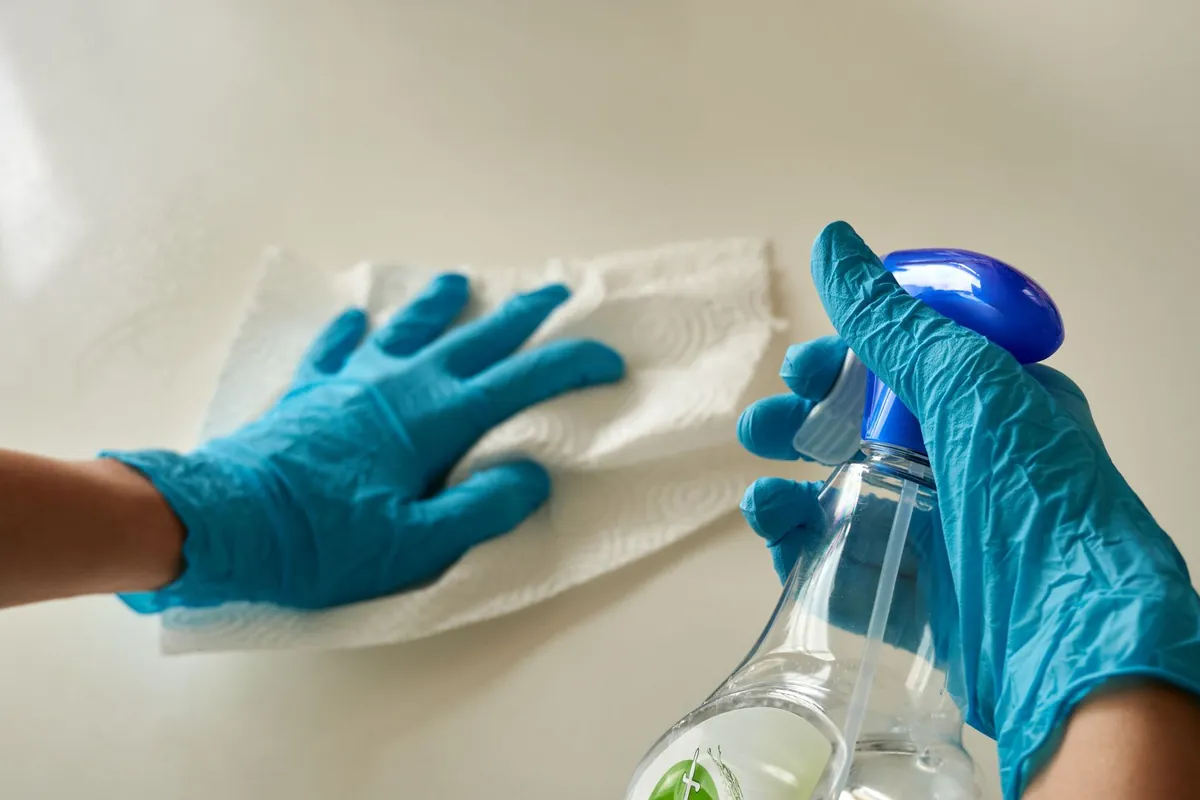
Infectious disease cleanup means cleaning and disinfecting a space where there may be a virus, bacterium or another germ that causes disease. The scope centers on areas of concern and surfaces or high-touch items that people could contact.
The use of the room, the possible contaminant and the compatibility of each material guide the cleaning plan. Any visible soil comes off before disinfection. An EPA-registered disinfectant is applied next, following all label directions. For the product to work as directed, treated surfaces need to remain wet during the entire contact time shown on that label.
Homes and shared vehicles can be treated, as can offices, restaurants, schools, rental properties and healthcare spaces. Unlike regular cleaning, this work has a scope based on a suspected or confirmed concern involving infectious disease. Blood, bodily fluids and hazardous materials fall under biohazard remediation instead, where extra protective equipment, material removal and waste disposal may be necessary.

By using unmarked vehicles and limiting work to affected areas, crews help you move forward without unwanted attention.
The scope should tell you what happens step by step, which spaces and items receive treatment and which areas do not.
You may identify fragile items in advance and discuss which ones should receive cleaning, be relocated or remain untouched.
You should get a clear explanation of product choice, mixing, compatible materials and contact time, without claims that brief spraying will work.
Infectious disease cleaning may be appropriate after a known illness, a suspected exposure or a contamination event that ordinary janitorial work is not set up to address. Common situations include:
A defined scope for offices, schools, rentals and other places where several people use the same rooms and fixtures.
Cleaning of visible soil followed by disinfection of compatible surfaces in rooms used by an ill person.
Focused disinfection and cleaning address a reported illness or exposure at homes, workplaces and facilities used by others.
Surface-by-surface treatment that follows the disinfectant label and gives special attention to frequently touched areas.
Before cleanup, keep others from entering the affected space and gather clear information for the technicians. Begin with these actions:
Call (888) 351-0904Published cost guides list virus decontamination at $1,500 to $3,500 per job and infectious disease decontamination at $1,000 to $8,000 or $2,000 to $8,000 per job. Another biohazard cleanup cost guide lists infectious disease disinfection at $1,500 to $10,000 per job. Your price depends on the space, germ, surface count, air system work and whether testing is needed.
National cost guides that have been published supply these ranges, not a visit to the property. After an on-site assessment, the price for your property is determined and shared with you before cleanup begins.
Ask about cost: (888) 351-0904Coverage depends on the policy, the cause of the contamination and the property involved. Do not assume that routine disinfection or a preventive cleaning visit is covered. Ask your insurance company about the exact event before work begins when circumstances allow.
Cleanup expenses may be treated one way under business insurance and another under home coverage. The decision depends on the loss cause and the language in your policy.
Insurance assistance may organize invoices, the work scope, suitable photos of the affected area and a treated-surface list for your claim records.
Check whether your policy covers the contamination, how much the deductible is and what photos, scope details or other records the insurer expects.
Responsibility can depend on the lease and the part of the property involved. Examine the relevant documents before you determine who can approve the work.
Remediation follows a plan based on the areas involved, the germ of concern and directions on the disinfectant label. Steps progress with a clear purpose from limiting access through reviewing the finished scope.
Cleanup involves noting fragile materials, high-contact areas, rooms and any bodily fluids or waste capable of changing the planned work.
Access is restricted and a route from clean areas toward dirty ones protects surrounding spaces from equipment and people walking through.
Gloves and other protective equipment are selected for the product, task and exposure described in the scope.
Dust, dirt and visible residue are removed with methods suited to each surface before disinfection begins.
An EPA-registered disinfectant is applied to compatible surfaces at the label dilution and kept wet for the full contact time.
Door hardware, switches, counters, bathroom fixtures and shared equipment receive deliberate coverage rather than a general mist alone.
Hazardous waste is set apart for suitable disposal, used materials are contained and reusable tools are cleaned.
Documentation closes the entire process after treated areas are reviewed against the scope, giving you a clear record of the surfaces and rooms addressed.
Phone support stays available. A specialist in infectious disease disinfection takes your call, walks you through the process and confirms when work can start.
The biggest concerns are contamination exposure, improper use of a product and surfaces being missed where people make contact. A thorough process reduces these risks with more than a brief spray.
Bacteria and viruses do not spread the same way or remain viable for the same length of time. The suspected germ, surface and setting guide the disinfection plan.
When contaminated materials shelter germs from a disinfectant, needless contact can create serious health risks. Visible residue has to be cleaned away before an appropriate product remains on the surface for its entire contact time.
Risks increase when products are overused, chemicals are mixed or ventilation guidance is not observed. Use the label to guide product dilution, application and precautions.
When a small blood spill is safe to clean yourself. With no known exposure or hazardous waste, and no bodily fluid present, ordinary cleaning could be enough. When multiple rooms are involved, someone vulnerable occupies the property or the affected area has unclear limits, professional cleanup offers you a consistent process with documentation.
The time depends on the size of the affected area, how many surfaces need attention, the product contact time and whether the space can be treated in sections. A site assessment is needed before a dependable schedule can be set.
| Scene | Typical time on site |
|---|---|
| Focused area in a home | Often requires only one period of work |
| Several rooms or a shared workplace | Could need an extended work period or separately scheduled areas |
| A sizable building or varied combination of surfaces | May need work across several planned sessions |
Infectious disease disinfection does not automatically mean odor removal. A lasting odor may come from spoiled food, sewage, moisture, bodily fluids, an animal or another source that needs its own cleanup service. Covering the smell does not remove that source, and fragrance is not a substitute for cleaning or disinfection.
The event determines whether air quality work is needed. Ventilation, wiping surfaces and treating an air system each involve separate work. Any treatment of air or HVAC components should follow occupied-space instructions and suit the building. Fogging or spraying cannot substitute for cleaning frequently touched surfaces, covering them fully with product and observing the contact time on its label.

When employees may encounter blood or other potentially infectious materials, OSHA Bloodborne Pathogens Standard 29 CFR 1910.1030 applies.
Proper use requires a surface that tolerates the product and adherence to the EPA label for dilution, application and full contact time.
Illinois treats soaked materials from a biohazard scene as potentially infectious medical waste (PIMW). Illinois EPA rules control how it is packed, transported and treated, so it cannot go in household trash. Ordinary cleaning waste and regulated medical waste may follow different disposal paths, so the material must be identified first.
Healthcare settings, schools, food areas and other facilities may have added cleaning protocols. Planning must continue to account for your facility rules and current public health guidance.
The time depends on the size of the affected area, how many surfaces need attention, the product contact time and whether the space can be treated in sections. A site assessment is needed before a dependable schedule can be set.
The full infectious disease disinfection guide covers what is cleaned or removed, odor and air quality work, and the rules that apply in Cook County.
Read the full infectious disease disinfection guide
Planning for access, containment and cleanup can depend on local population, housing and entry conditions.
The relatively small 27.4% rental share does not change safety needs, but it can make property decisions more direct.
In housing built around 1965, a moisture check can help define how far sewage or cleaning water traveled.
Because 30.0% of older residents live alone, neighbors and family contacts can play an important role in noticing unusual silence.
Detached and single-family properties account for 80.6% locally, so exterior access and safe waste movement should be planned early.
Your phone conversation can include questions about service in nearby ZIP codes and communities.
Virus disinfection for homes, offices and shared spaces after an outbreak.
See covid-19 and virus disinfection
MRSA, C. diff and norovirus cleanup for homes, care settings and gyms.
See mrsa, c. diff and norovirus cleanup
Rooms, surfaces and air receive complete decontamination following infectious or hazardous exposure.
See biohazard decontamination
Contamination is cleared through biological remediation, returning the space to safe use.
See biohazard remediation
Industrial and commercial biohazard cleanup keeps downtime to a minimum.
See commercial and industrial biohazard cleanup
Biohazard cleanup for clinics, care homes and healthcare facilities.
See hospital and healthcare biohazard cleanup
After exposure or injury, workplace biohazard cleanup covers offices and other work sites.
See office and workplace biohazard cleanup
School and daycare biohazard cleanup outside of class hours.
See school and daycare biohazard cleanupOne workable environmental method is limiting access before cleaning off dirt and disinfecting compatible materials. Personal hygiene, protective equipment and compliance with up-to-date health directions are also parts of infection control. A medical facility can require different procedures than an office, restaurant or home because infection controls vary by setting and suspected germ.
Alcohol appears in some registered disinfectants, but you cannot determine suitability for a germ or surface from an ingredient name alone. Make sure the intended purpose appears on the label and comply with its directions, including contact time. For disinfection, never depend on alcohol meant for drinking, home recipes or products kept without labels.
Coverage depends on your policy terms and what caused the need for cleanup. Cleanup resulting from a covered property loss can receive different treatment than disinfection done as a preventive measure. Give your insurance company the facts without speculation and ask about documentation, exclusions, your deductible and pre-work approval requirements.
While plenty of bacteria cause no harm, certain kinds may be biological hazards due to their ability to cause illness. The level of concern depends on the organism, the route of exposure and the setting. Contamination involving medical waste, sewage, bodily fluids or blood can call for biohazard cleanup in addition to routine surface disinfection.
Do not assume urine should be treated alike in every situation. Management can vary according to the amount, relevant waste requirements, presence of blood and health condition involved. Keep people out, do not touch the material directly and give clear details in advance to support the right protective gear and disposal route.
The scope should identify customer areas, employee spaces, restrooms and high-touch points. Food-contact surfaces need products and follow-up steps appropriate for that use. Before a disinfectant is applied, cleaning clears the soil, then the label's entire contact time must be observed. The latest directions for food safety and public health continue to apply.
Discreet, respectful infectious disease disinfection, 24 hours a day, with crews in unmarked vehicles.