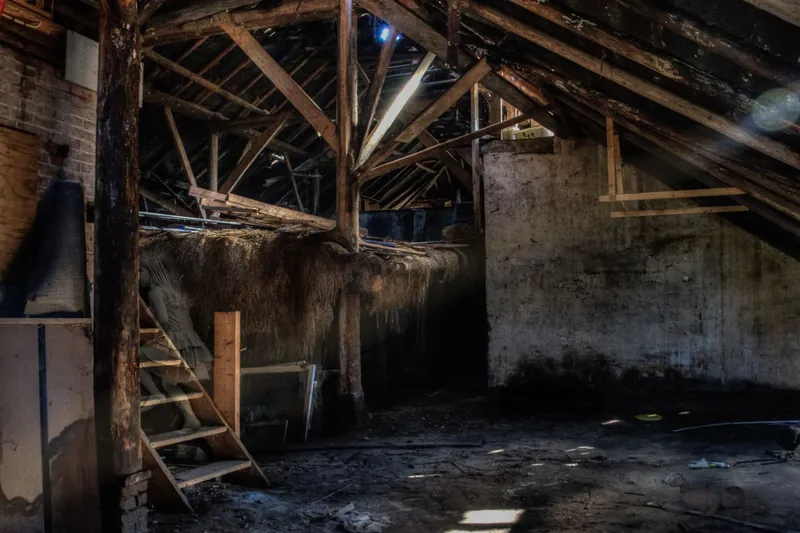
Bird and Bat Guano Cleanup
Bird and bat droppings are cleaned from structures and attics, followed by disinfection.
See bird and bat guano cleanupGet mouse and rat droppings, urine, nests and soiled insulation removed from an attic, crawl space, garage or home in Diamond. Dry waste is wetted before removal to keep particles from spreading.
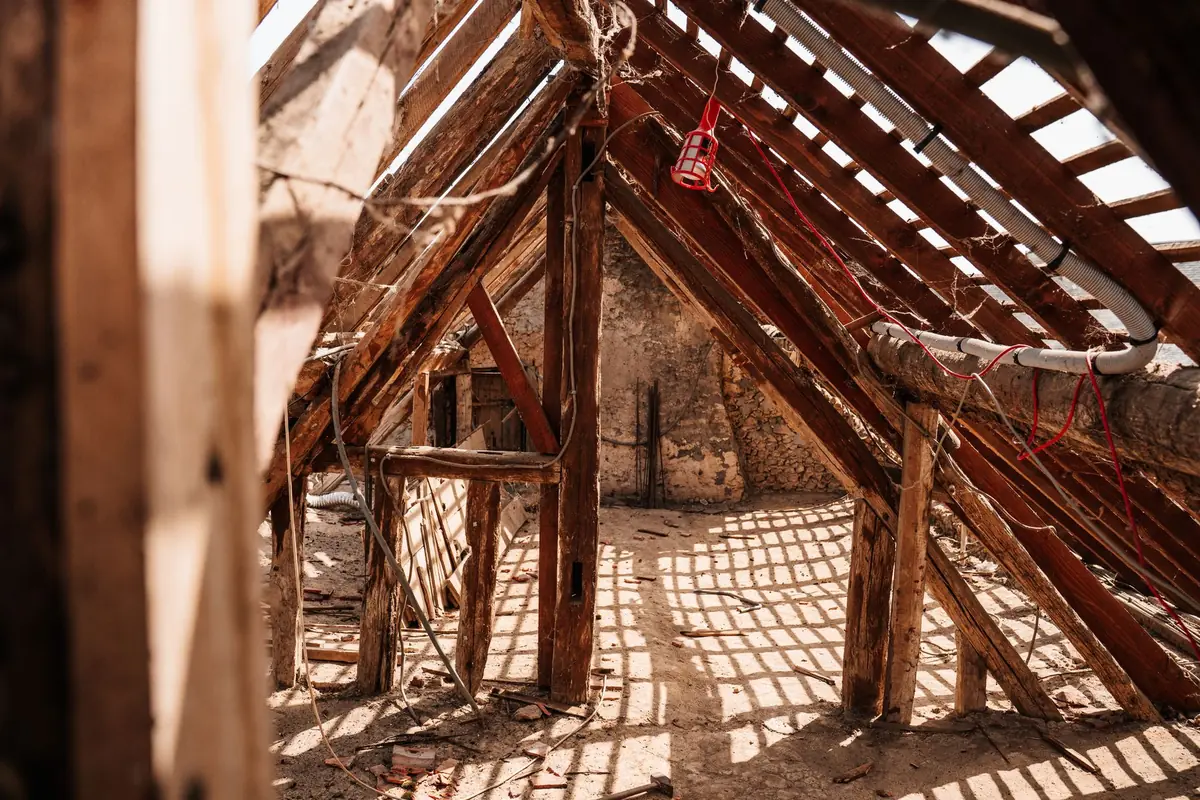
During rodent droppings cleanup, mouse or rat droppings, nesting debris, urine and contaminated material are wetted and removed under controlled conditions. The remaining work includes cleaning, disinfecting, treating odors and checking the area at the end.
The affected space could be a shed, cabin, pantry, basement, attic, garage, storage room, crawl space or part of the living area. A technician checks areas beyond visible waste, including wall edges, the space below insulation and spots behind stored boxes where urine, debris or nests may remain. The biohazard work centers on residue left by rodents.
Every situation is different, but the cleanup process is not ordinary sweeping. Dry droppings and nests are not brushed, blown or vacuumed. They are wetted with a suitable disinfectant, given the full label contact time and lifted with disposable tools. Hard surfaces are cleaned and disinfected. Soiled porous materials are reviewed for removal. Pest control and sealing entry holes are separate steps that help prevent another infestation.
Condition and material type guide how personal property is evaluated. Items are not discarded simply because storage placed them near the affected area.
Before work starts, the right team describes treatment areas, possible removals and site conditions that could change the scope.
Insurance companies, landlords and property owners may ask for photographs, an organized work scope and an inventory of materials taken away.
Day or night, calls are answered and crews can use unmarked vehicles for arrival. You can describe what happened in a calm conversation and request privacy for the work.
Professional cleanup makes sense when contamination is widespread, difficult to reach or soaked into porous materials. Common situations include:
Restricted height, uncovered ground, plumbing and weak ventilation add difficulty to safe access and damp waste removal.
A closed cabin or vacation house can have settled droppings and nesting debris throughout multiple living and storage areas.
Urine, droppings and nesting debris can cover stored items, attic framing and insulation in narrow, difficult-to-access areas.
An enclosed shed or garage may contain dry feces, damaged cartons, nest material and contamination on shelves, floors and tools.
Your priority while waiting for the cleaning service is to prevent airborne dry material and keep it from reaching clean parts of the property. Start here:
Call (888) 351-0904For planning, HazardPros gives $150 to $600 as its rodent cleanup benchmark. Its benchmark for disinfection and waste removal is $600 to $1,000. Attic cleaning that includes insulation replacement is benchmarked at $2,200 to $6,200. These ranges are not fixed quotes. Waste quantity, odor, insulation, access and area size affect the actual price.
National cost guides that have been published supply these ranges, not a visit to the property. The price for your property is set after the on-site assessment, and you hear it before work starts.
Ask about cost: (888) 351-0904Your policy, damage source and the insurer's classification determine coverage. The insurer may view the condition as damage that developed from pests over time, or as a covered event.
Evidence for insurance can include images, a detailed work description, receipts and an inventory of discarded material. When possible, find out which documentation your insurance company requires before cleanup starts. Clear records support you as you move forward with your claim.
Contact the building owner or manager as soon as possible. Who arranges and pays for cleaning can depend on the cause, the lease, building conditions and applicable local rules.
Ask your insurance company if the policy includes cleanup, damaged insulation removal and restoration. Your policy may not cover rodent damage that accumulated gradually, so check the specific wording.
The commercial policy and lease should both be checked by the business. During assessment of policy coverage and cleaning needs, block worker and customer access to the affected area.
To keep dried waste from reaching nearby spaces, the rodent cleanup process uses a controlled order. First comes assessment, followed by wet treatment, removal and disinfection, with a final check at the end. You receive an explanation of the full process and what each part covers before it starts.
Safe access to the rooms, attic or crawl space is assessed by trained professionals, who locate droppings, urine, nests and affected personal property, insulation and vents.
Clean sections are isolated from the work area. Appropriate protective equipment and one managed entrance help prevent rodent debris from being carried through your property.
Where safety permits, ventilation is used for a shut room. Crews avoid directing fans over rodent debris and restrict the controlled zone to people wearing proper equipment.
Nesting debris and rodent waste are soaked using an appropriate disinfecting product. The surface stays wet for the contact time on the product label before removal.
Each portion is wet-cleaned in sequence, with waste lifted by throwaway tools and closed inside suitable bags. Waste does not travel over clean floors by dragging, sweeping or shaking.
Absorbent material that cannot be restored, including textiles, cardboard and insulation, can be contained once the planned removal has been discussed with you.
An EPA-registered disinfectant remains on cleaned, reachable hard surfaces for the complete period specified by the label. Source removal comes before odor and air quality work.
The area is checked for missed debris, residue and odor. You receive a work summary and can arrange separate restoration services or pest exclusion when necessary.

Call at any time. You speak with a rodent droppings and hantavirus cleanup specialist who outlines the process and schedules a start time with you.
Germs may be present in rodent urine, nests and droppings. If this material is disturbed before it is wet, contaminated particles can enter the air and be inhaled. In dusty, enclosed areas especially, a heavy amount of contamination can pose serious health risks.
Anyone with respiratory problems or a compromised immune system should remain outside a badly affected area. If you feel ill after exposure, tell a medical professional about the rodent contact.
Brooms, fans and ordinary vacuums can move fine dust through an enclosed room. Closed attics, outbuildings and cabins can contain heavier layers of settled particles.
Urine can soak into insulation, cardboard, fabric and unfinished wood. If cleanup stops at visible feces, absorbent materials can continue holding unseen residue and smells.
When a small blood spill is safe to clean yourself. For limited waste that you can reach easily, careful protection and a wet-clean approach may be manageable. When ventilation is safe, air out the space and put on gloves. Saturate the waste with disinfectant, wait through the labeled contact time, then wipe and seal it. Never sweep or vacuum dry. If rodent waste is extensive, airborne, unreachable or mixed into insulation and stored contents, arrange professional cleanup.
Cleanup can often preserve materials that are hard and sealed. By contrast, porous material may have to be removed when it absorbs droppings, urine or nest debris below its surface.

A small, accessible rodent cleanup may take a few hours. A full attic or crawl space often takes one to two workdays, while heavy contamination, difficult access or extensive insulation removal can take longer.
| Scene | Typical time on site |
|---|---|
| Compact garage or outbuilding with nonporous surfaces | A few hours is often enough for completion |
| Attic or crawl space with limited material removal | Often one to two workdays |
| Extensive removal of insulation after a heavy infestation | May require more than two workdays |
Effective rodent odor work begins with locating its cause. Soiled insulation, dead rodents, urine or nests can remain near ducts, inside building cavities, beside walls or underneath stored property. A fragrance might hide the odor temporarily, but the affected material and the surface beneath it remain uncleaned.
After waste and porous materials are removed, reachable hard surfaces are cleaned and disinfected. HEPA air scrubbers may support air quality work during a larger professional cleanup, but they do not replace source removal. A smell that returns can point to hidden material, an active infestation or an entry area that still needs separate pest control and repair.

A small, accessible rodent cleanup may take a few hours. A full attic or crawl space often takes one to two workdays, while heavy contamination, difficult access or extensive insulation removal can take longer.
The full rodent droppings and hantavirus cleanup guide covers what is cleaned or removed, odor and air quality work, and the rules that apply in Illinois and Grundy County.
Read the full rodent droppings and hantavirus cleanup guideLocal population patterns, housing and site access may affect how containment and cleanup are planned.
In an area with 20.0% renter occupancy, direct homeowner approval can simplify choices about opening walls or replacing affected finishes.
Homes centered around a 1991 build year may have open layouts, which can allow odor to reach adjoining living areas.
With 57.2% of seniors living alone, an unattended illness or death may go unnoticed, increasing the area affected by fluids and odor.
Housing at 62.7% single-family occupancy calls for flexible cleanup planning rather than assumptions based on one building type.
During your call, ask whether cleanup is available in surrounding communities and ZIP codes.
Bird and bat droppings are cleaned from structures and attics, followed by disinfection.
See bird and bat guano cleanup
Odors and dead animals are cleared out of wall cavities, vents and crawl spaces.
See dead animal removal and cleanup
Urine-saturated materials, ammonia odor and waste are addressed through animal hoarding cleanup.
See animal hoarding cleanup
Complete decontamination treats the room, its surfaces and the air after a hazardous or infectious exposure.
See biohazard decontamination
EPA-registered products are applied across all surfaces during infectious disease disinfection.
See infectious disease disinfection
Cleanup addresses severe filth and squalor when a home has become unsafe to live in.
See filth and squalor cleanup
Biohazard waste pickup and disposal in sealed, labeled containers.
See biohazard waste disposal
Crawl space sewage cleanup, including soaked insulation and soil.
See crawl space sewage cleanupSome rodents found in the wild carry hantaviruses. Exposure can happen when contaminated droppings, urine or nesting material are stirred into the air and breathed in. Hantavirus disease is uncommon but can be serious. Seek medical care for illness after exposure and describe both when the contact happened and where it took place.
A small amount of rodent waste can be manageable in a reachable place with good airflow. Protect your hands, saturate the debris using a suitable disinfectant and observe its entire labeled contact period. Then wipe up the material and contain it securely. Never vacuum or sweep rodent waste. Professional cleanup is appropriate for large amounts, confined areas, contaminated insulation and medical concerns.
CDC instructions for wet cleanup include correctly prepared bleach solution as well as a suitable disinfectant. Do not disturb the waste while dry or combine cleaners. Thoroughly wet the material and observe the required contact period. Follow current product directions because concentration, surface compatibility and use instructions vary.
Coverage differs according to the cause and your contract. A policy may exclude pest problems that developed over time but assess other causes under different terms. Before cleanup, ask your insurance company about coverage if circumstances allow. Ask about cleaning, damaged insulation, restoration and documentation separately, and keep photos, the work scope and receipts for the claim.
Nonporous belongings made from metal, glass or rigid plastic are often suitable for cleaning and disinfection. The outside of closed plastic bins can usually be treated. Removal may be necessary for nest debris, textiles, paper products and insulation that absorbed rodent urine. Before anything is discarded, personal property should be examined one item at a time.
No. Cleanup removes contaminated materials, urine, droppings and nests, while live rodents and their entry points require separate work. You arrange pest removal and exclusion apart from cleanup. Schedule evaluation and sealing of vents, holes and additional entry paths after cleanup, then look for any new rodent evidence.
Discreet, respectful rodent droppings and hantavirus cleanup, 24 hours a day, with crews in unmarked vehicles.