
Trauma Scene Cleanup
Trauma scene cleanup after accidents, injuries and violent events.
See trauma scene cleanupGet blood, bodily fluids and contaminated materials removed after an accident or injury in a home, workplace, vehicle or shared space in Diamond. Cleanup can begin after urgent care and any required scene release.

Professional accident and injury scene cleanup removes blood, bodily fluids and contaminated items after a person is hurt at home, at work, in a vehicle or in a public area.
Before cleaning can start, emergency response and care for the injured person need to be complete. Any active police investigation must end with release of the scene. Trained cleanup technicians assess the main area and its surroundings, define the boundaries and match their approach to the surfaces present. The purpose is to clear away contamination rather than mask it.
Accident cleanup involves blood cleanup, disinfection, personal property sorting, odor removal and hazardous waste preparation. It may also require biohazard remediation beneath carpet, flooring or wall finishes. Cleanup services can address a small injury in one room or a trauma scene that affected several spaces, while restoration services replace materials after decontamination is complete.

You learn what the cleanup involves, what may require removal and which factors change the cost before work starts.
Your insurance company, building manager or workplace file can receive organized photos, waste documents and scope records.
Important belongings are identified and sorted with you when safety allows. An item's location near the affected area alone does not mean it is thrown away.
Unmarked vehicles bring crews to a work zone that remains controlled. Privacy at residences, workplaces and common properties is protected through that approach.
When routine cleaning at home cannot safely address a surface reached by blood or other bodily fluids, accident scene cleanup services can help. Common examples include:
Blood and fluids can enter seat fabric, carpet, trim gaps and sound insulation. Vehicle biohazard cleanup may require removal of materials that cannot be reached or fully disinfected.
For a blood spill in a lobby, restroom, common hallway or sidewalk, restrict entry, complete careful blood spill cleanup and check surrounding areas for residue carried by shoes or wheels.
When an accident results in death, death cleanup starts only after the proper authority releases the scene. Cleanup respects personal property and loved ones while preserving privacy.
More than the surface in view may be affected after a serious injury. Trauma cleanup involves checking baseboards, floor layers, seams and joints for contamination.
Seek medical care before doing anything about the scene, and stop others from touching the area. The following actions protect you while keeping the conditions clear for assessment:
Call (888) 351-0904For trauma and accident cleanup, published guides list a per-job range of $1,500 to $5,000 for the work. The wider published span for a trauma scene runs from $500 to $8,000 per job. Neither range is a quote, and both are meant for planning. Actual pricing follows an assessment of fluid and blood volume, affected materials, room count and disposal requirements.
These ranges come from published national cost guides, not from a site visit. You learn what your property will cost after the on-site assessment and before any work begins.
Ask about cost: (888) 351-0904Accident scene cleanup can be covered by insurance, depending on what happened, whose property was affected, the policy terms and responsibility for that location.
Victims of violent crime can ask the Illinois Attorney General's Crime Victim Services Division whether cleanup costs can be included in a compensation claim. Insurance is usually checked first.
Confirm the adjuster's documentation needs before disposal if conditions allow you to wait safely. Insurance companies may use photographs, invoices, disposal records and cleanup details to assess the damage.
Sudden damage related to blood or other bodily fluids may fall under homeowners or renters coverage. Contact the insurance company promptly and ask whether biohazard cleanup, removed materials and restoration are included.
The business or property owner usually arranges workplace cleaning services. OSHA rules that cover possible worker contact with blood and the employer's exposure plan should also be followed.
To limit the spread of contamination, each cleanup stage takes place in a controlled sequence. The details depend on the situation, but the sequence begins with assessment and containment, then ends after disposal with a final check.
The affected area, traffic routes, materials and personal property are checked by cleanup technicians. They document visible conditions and explain the planned scope.
A barrier separates clean interior spaces from the work area. Protective equipment is selected for the exposure, and technicians establish a route for transporting supplies and contained waste.
Controlled techniques are used to take away bulk residue. To prevent contaminant spread, the cleaning service works inward from cleaner boundaries toward the more heavily affected areas.
Carpet pad, unsealed wood, foam from upholstery and drywall may need to come out if deep saturation prevents full access and disinfection.
An EPA-registered disinfectant is applied only after the remaining surfaces have been cleaned. The product label specifies a full contact period during which the surface must stay wet.
Odor removal begins by finding and treating the source. Once affected material is gone, the room and lingering odor determine whether suitable ventilation or air cleaning equipment may be used.
Under applicable waste disposal rules, used protective gear and removed materials are sealed before transport. Records can aid insurance assistance and your property file.
Workers inspect the cleanup zone, account for removed materials and tell you about any remaining restoration. You can move forward on repairs with support from photos and written records.

You can call anytime. You speak with a accident and injury scene cleanup specialist who outlines the process and schedules a start time with you.
You can be exposed to bloodborne pathogens through blood and bodily fluids. Contamination may also stay within a material after its surface appears clean.
A place connected to a serious injury may be difficult for you to clean. A professional cleanup team lets family members, coworkers and property owners step away from the trauma scene.
Hazardous waste may result from cleanup supplies, absorbent materials and disposable protective gear. State requirements determine how the material must be securely packed and discarded.
Blood can carry hepatitis B, hepatitis C and HIV. The CDC reports that hepatitis B may survive for at least seven days on surfaces, making dried blood a biohazard that still requires care.
When a small blood spill is safe to clean yourself. Several fresh drops on a sound, non-porous material may be manageable if you use disposable gloves and keep an EPA-registered disinfectant wet for its entire labeled contact time. Arrange professional cleanup if the entire affected area is not visible, a sharp is present, or blood entered upholstery, carpet, wall cavities or unfinished wood.
Accessible non-porous items can often be cleaned and disinfected. Porous items may need removal when blood or bodily fluids entered spaces that the cleaning process cannot reach.

For workers who might contact blood, the OSHA Bloodborne Pathogens Standard, 29 CFR 1910.1030, establishes safeguards and requirements for protective equipment, training and exposure control.
For blood cleanup, choose an EPA-registered disinfectant intended for that use. Cleaning comes first, then the product must remain wet for the full contact time on its label.
Illinois treats soaked materials from a biohazard scene as potentially infectious medical waste (PIMW). Illinois EPA rules control how it is packed, transported and treated, so it cannot go in household trash.
In Cook County, the Cook County Medical Examiner's Office investigates sudden and unexplained deaths. Cleanup starts after police or the medical examiner release the scene.
Cleanup timing depends on the affected area's size, the types of material involved and any contamination within concealed layers. The schedule should be based on an on-site assessment, not promised before anyone has viewed the scene.
The full accident and injury scene cleanup guide covers what is cleaned or removed, odor and air quality work, and the rules that apply in Illinois and Grundy County.
Read the full accident and injury scene cleanup guidePlanning for access, containment and cleanup can depend on local population, housing and entry conditions.
In an area with 20.0% renter occupancy, direct homeowner approval can simplify choices about opening walls or replacing affected finishes.
Homes centered around a 1991 build year may have open layouts, which can allow odor to reach adjoining living areas.
With 57.2% of seniors living alone, an unattended illness or death may go unnoticed, increasing the area affected by fluids and odor.
Housing at 62.7% single-family occupancy calls for flexible cleanup planning rather than assumptions based on one building type.
During your call, ask whether cleanup is available in surrounding communities and ZIP codes.
Trauma scene cleanup after accidents, injuries and violent events.
See trauma scene cleanup
Blood cleanup on carpet, hard floors, walls and furniture with safe disposal.
See blood cleanup
Blood spill cleanup addresses fresh or dried blood spills of every size.
See blood spill cleanup
Cleanup controls the risk of blood exposure involving HIV, hepatitis C and hepatitis B.
See bloodborne pathogen cleanup
Bodily fluid cleanup and disinfection for homes, care settings and businesses.
See bodily fluid cleanup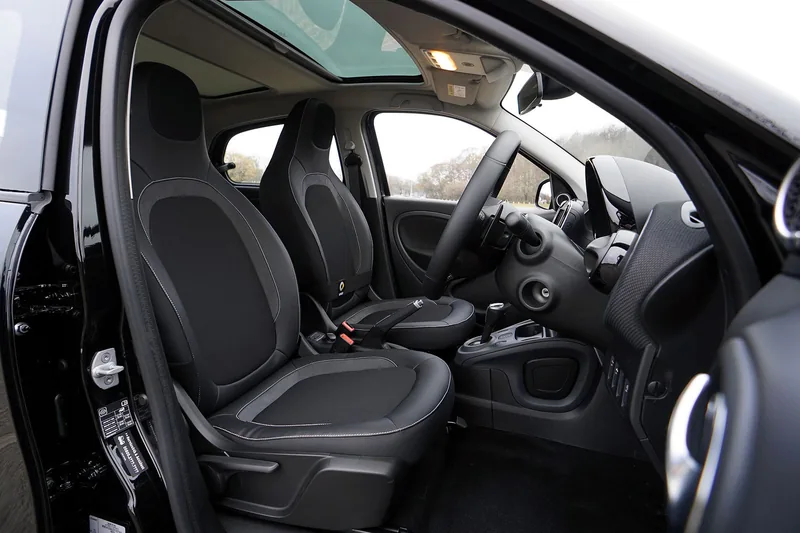
Cars, boats, trucks and RVs receive vehicle biohazard cleanup.
See vehicle biohazard cleanup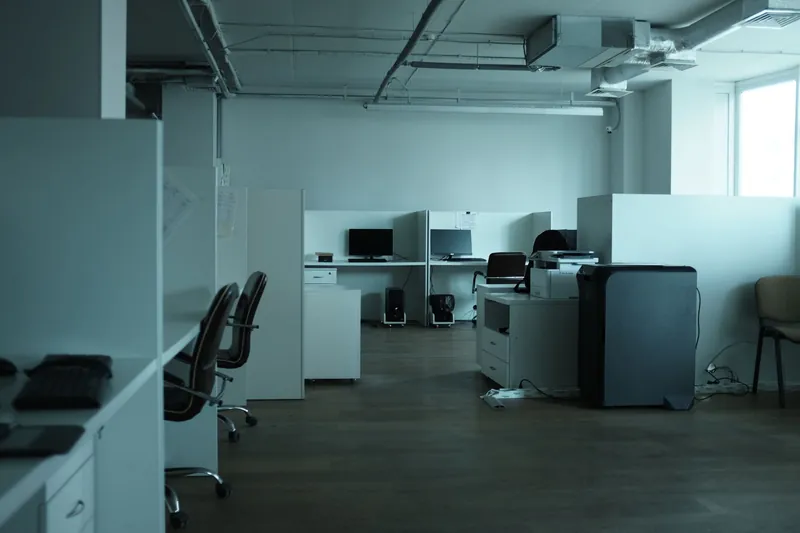
Office and workplace biohazard cleanup after injuries or exposures.
See office and workplace biohazard cleanup
Biohazard waste pickup and disposal in sealed, labeled containers.
See biohazard waste disposalDrying does not mean blood is free of bloodborne pathogens. The CDC reports that hepatitis B can persist on a surface for at least seven days. Appearance alone does not show whether a surface is safe, so dried residue should be approached with protective gear, proper cleaning and an appropriate disinfectant.
Start by getting medical attention for anyone who is hurt. Keep pets and other people out of the affected area, and avoid bare-skin contact with blood. Never apply a regular vacuum or mop to affected material, and do not place it in your washing machine. Seek professional accident scene cleanup if porous material absorbed the fluid or the spill boundaries cannot be determined.
According to published guides, accident and trauma cleanup runs from $1,500 to $5,000, while the broader listed trauma scene range is $500 to $8,000. Waste disposal, affected materials, the number of rooms and amount of blood or other fluids determine the real price following assessment.
If the non-porous surface is intact, you may manage a few fresh drops by wearing disposable gloves and applying an EPA-registered disinfectant exactly as directed. Do not try cleanup when sharps are present, fluid has reached upholstery or carpeting, the affected area is large, or its full path is unknown.
Carpet can be retained through cleaning when every contaminated layer is reachable and the affected area is small. If blood soaked through to padding or subfloor, the affected carpet and pad generally need removal so the layer below can be cleaned and disinfected. Material type and absorption depth determine the final choice.
It may. Insurance coverage is determined by the policy, event, location and which party is responsible. Describe the event to the insurance company and check coverage for biohazard cleanup, restoration and material disposal. Retain any adjuster-requested waste documentation, pictures, invoices and your claim number.
Crews offer discreet and respectful accident and injury scene cleanup, arrive in unmarked vehicles and take calls 24 hours a day.