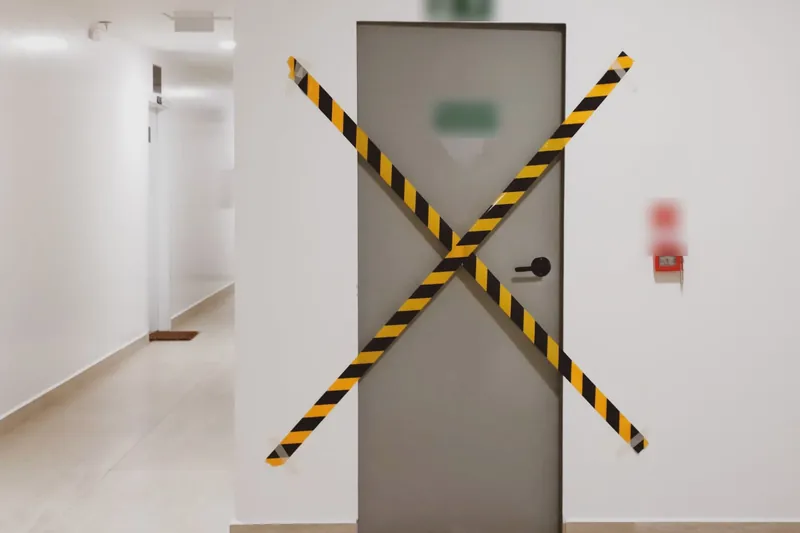
Homicide Cleanup
After investigators depart, homicide cleanup removes blood, tissue and contaminated materials.
See homicide cleanupGet blood, body fluids, fingerprint powder and odor removed from a home, apartment, rental or business in DeKalb once police release the property. Most crime scene cleanups take one to three days.
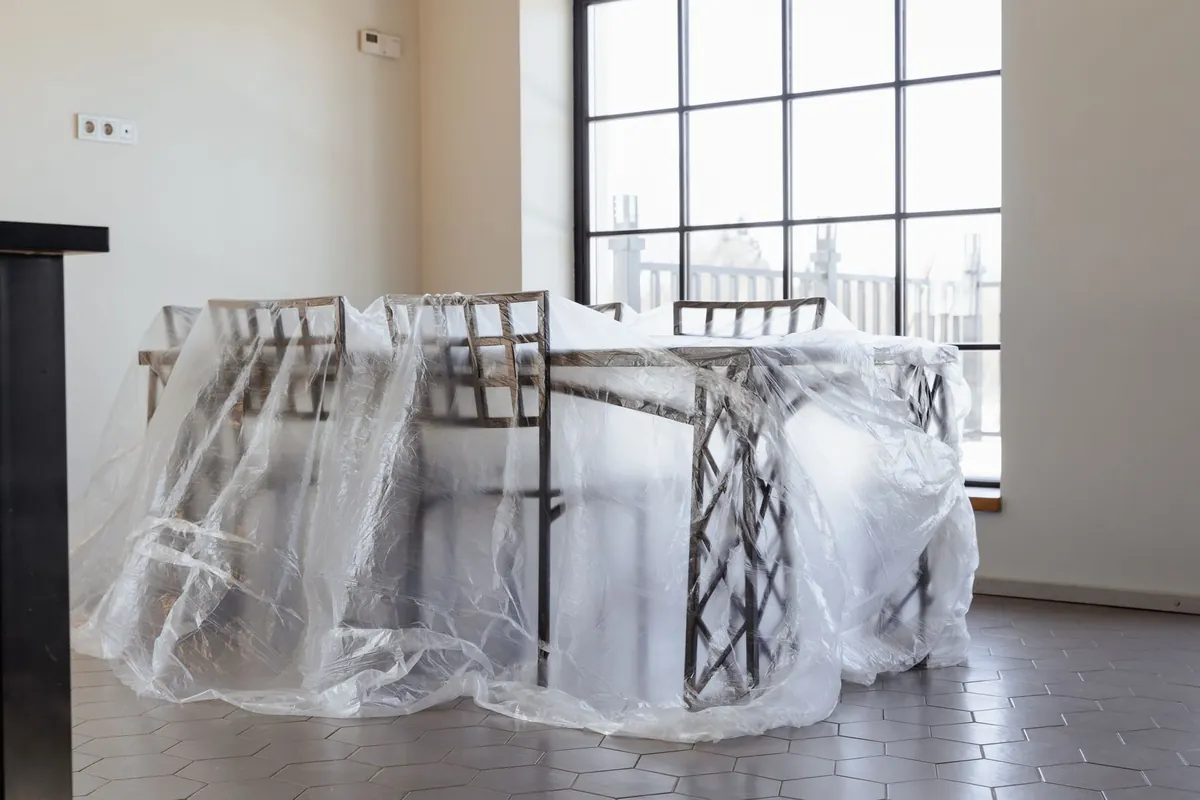
Forensic cleaning, trauma scene cleanup and crime scene cleanup all describe the same work: removing tissue, blood, contaminated materials and body fluids following a violent crime. The property can safely be used again after odor treatment and disinfection.
It starts where the investigation ends. Police, detectives and the medical examiner collect evidence and remove the deceased, but they do not clean. The scene is released to the property owner, the family or the landlord, and the cleanup becomes their responsibility.
Every trace of blood is treated as infectious by a forensic clean up crew. These workers are also known as forensic or crime scene cleaners. They follow its path, take out materials that cannot be disinfected, treat and clean all surfaces, then transport hazardous material according to medical waste rules. This complete work is a type of biohazard remediation.

You receive an explanation of each step and price factor before work, allowing an informed decision for your family.
Insurance companies and landlords receive prepared photos, waste paperwork and scope details so you can move forward.
Crews put aside photos, papers and meaningful belongings for you to examine before any disposal.
Phone support is available day and night, while crews use unmarked vehicles to protect your privacy nearby.
Crime scene cleaning services are needed any time a violent event leaves blood or body fluids behind. Common situations include:
Private cleanup so family members never have to face the scene themselves.
Blood spatter on ceilings and walls, plus soaked carpet and subfloor where a person fell.
Tissue and blood may affect furniture, walls and flooring across multiple rooms.
Commercial crime scene cleanup reduces closure time at stores, offices and warehouse properties.
The first hours matter for your health, your insurance claim and the final cost. Before the cleanup technicians arrive:
Call (888) 351-0904Published cost guides put most residential crime scene cleanups between $1,500 and $7,500. Most crime scene cleanup companies price by the job, not the hour. A small area of surface blood can cost less, and scenes where blood reached the subfloor or several rooms can pass $10,000. The final price is set after the on-site assessment.
The figures shown are national ranges from published cost guides and are not based on an on-site visit. An on-site assessment determines your property's price, which is explained to you before the cleanup starts.
Ask about cost: (888) 351-0904Coverage is available in many cases. Renters and homeowners insurance may classify crime scene cleanup as both sudden and accidental, then subtract your deductible.
Ask about biohazard cleanup benefits, choosing your own cleanup company, and the adjuster's requirements for photographs or documentation.
Victims of violent crime can ask the Illinois Attorney General's Crime Victim Services Division whether cleanup costs can be included in a compensation claim. Insurance is usually checked first.
The owner usually coordinates and covers crime scene cleanup costs in rentals and common areas.
Coverage for violent crime events is common in homeowners and renters insurance policies. Report it quickly and keep the claim number.
Differences between crime scenes do not change the safe order of the work. Often described as the remediation process, crime scene cleanup proceeds step by step, beginning with the first walk-through and ending at final inspection.
Technicians walk the scene with you or your representative, photograph it and agree the scope before work starts.
The affected area is sealed with plastic sheeting and negative air, and technicians wear full personal protective equipment.
Crews cut away soaked mattresses, furniture, carpet, pad and drywall, then bag and seal them as medical waste.
Every surface is cleaned, then treated with EPA-registered, hospital-grade disinfectant for the full contact time.
Technicians inspect HVAC vents and target the odor source using ozone, hydroxyl generators or air scrubbers.
Tracking documents accompany closed containers to a medical waste facility that is permitted to receive them.
Surface results can be measured through ATP testing, with supporting photos and paperwork prepared for your insurer.
Your own contractor or a vendor selected by your insurer can reinstall the flooring and drywall that were taken out.

Call any hour. You speak with a crime scene cleanup specialist who outlines the process and schedules a start time with you.
Blood and bodily fluids may pose serious health risks. Visible contamination is usually only part of what is present.
The task of cleaning a place where your loved one suffered can feel overwhelming. That burden alone leads many families to hire professional crime scene cleaners.
Medical waste rules apply to soaked materials. They must be taken to an authorized treatment site instead of a dumpster or household garbage.
Carpet does not stop blood from reaching the pad and subfloor, while grout and spaces under baseboards can trap it. Cleaning only the surface misses contamination, allowing bacteria and smells to return.
When a small blood spill is safe to clean yourself. With gloves and disinfectant registered by the EPA, you can clean a few fresh blood drops from a solid, non-porous surface. If blood touches fabric, wood, carpet or drywall, or spreads beyond visible edges, you need professional cleanup.
The rule is simple: if a material can be fully disinfected, it is cleaned. If blood soaked into it, it is removed.

For most crime scene cleanups, time at the property is one to three days. A recent scene with a small affected area can take a day, while structural removal at a heavy scene can extend the work to two to five days.
| Scene | Typical time on site |
|---|---|
| Light scene, one area | Often one to two days |
| Standard scene affecting one to two rooms | Often one to three days |
| Heavy scene, several rooms or subfloor removal | Often two to five days |
Odor removal starts with removing the source. Spraying fragrance over blood or tissue only hides the smell for a few days.
With contaminated material gone, the cleanup team can capture airborne particles using HEPA air scrubbers. Hydroxyl generators may operate safely around people, and stubborn odor can be treated with ozone when rooms are empty. Thermal fogging gets into fabrics and wall cavities. HVAC ductwork is also inspected to prevent smells from spreading between rooms.

For most crime scene cleanups, time at the property is one to three days. A recent scene with a small affected area can take a day, while structural removal at a heavy scene can extend the work to two to five days.
The full crime scene cleanup guide covers what is cleaned or removed, odor and air quality work, and the rules that apply in your state.
Read the full crime scene cleanup guidePlanning for access, containment and cleanup can depend on local population, housing and entry conditions.
With renters in 57.9% of local homes, documenting affected rooms can help tenants and owners understand which materials need removal.
A 1976 median build year points to varied interior finishes, so each affected material needs its own cleaning or removal decision.
Because 37.1% of older residents live alone, neighbors and family contacts can play an important role in noticing unusual silence.
With 48.8% single-family housing, cleanup plans should fit both private homes and units with common halls, walls, or ventilation.
Ask on the call about cleanup options for neighboring communities and ZIP codes.
After investigators depart, homicide cleanup removes blood, tissue and contaminated materials.
See homicide cleanup
Families are spared from facing the scene through discreet and considerate suicide cleanup.
See suicide cleanup
Trauma scene cleanup is needed after violent events, accidents and injuries.
See trauma scene cleanup
Walls, carpets, furnishings and hard floors receive blood cleanup, with safe disposal afterward.
See blood cleanup
Cleanup when a death went unnoticed for days, with decomposition and odor control.
See unattended death cleanup
Death odor removal at the source with air scrubbers, hydroxyl and ozone treatment.
See death odor removal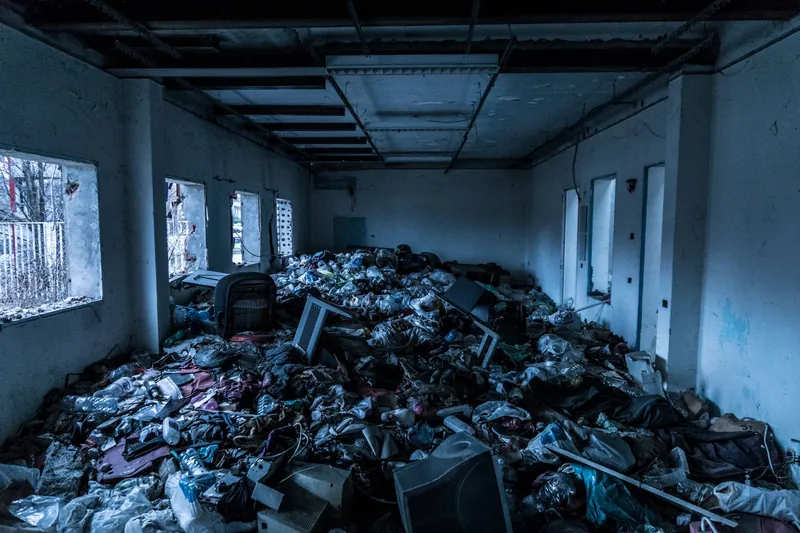
Hoarding cleanup combines respectful sorting, removal and deep cleaning.
See hoarding cleanup
Sewage cleanup removes Category 3 black water from raw sewage, then disinfects and dries the area.
See raw sewage cleanupMost scenes take one to three days on site. Light cleanup can finish in a day, but heavy contamination with subfloor removal can extend to five days.
Police, detectives and the medical examiner collect evidence and remove the deceased, but they do not clean. The property owner, the family or the landlord arranges crime scene cleanup, usually with professional crime scene cleaners.
Indeed. Viruses including hepatitis B may remain viable for days in dry blood left on a surface. Treat dried blood the same as fresh blood.
Crime scene cleanup is also known as biohazard remediation, forensic cleaning, trauma cleanup or forensic clean up. The people doing this work are known as forensic cleaners and crime scene cleaners.
Published guides put most residential crime scene cleanups between $1,500 and $7,500. Limited surface cleaning can fall below the usual range, and major multi-room scenes can cost more than $10,000.
The cleaning process for cleaning crime scenes includes isolation, soaked material removal, surface cleaning and disinfection, odor control and medical waste disposal.
Crews offer discreet and respectful crime scene cleanup, arrive in unmarked vehicles and take calls 24 hours a day.