
Bodily Fluid Cleanup
Bodily fluid cleanup removes fluids and disinfects affected areas in businesses, homes and care settings.
See bodily fluid cleanupGet human feces removed from a home, rental, workplace or public restroom in Crete. The affected area is cleaned, disinfected and treated for odor before normal use resumes.

Human feces cleanup is the controlled removal of fecal matter, followed by cleaning, disinfection, safe waste disposal and odor treatment in every affected area.
Illness, an accident, a toilet overflow, sanitation trouble, hoarding or ongoing contamination in a shared area may leave you needing this service. The work may be done in your home or apartment, as well as an office, public restroom, hotel, school, store or care setting. When urine is also present, it can be cleaned along with the feces.
Removing what you can see is only one part of the work. Technicians set up a work zone and shield nearby areas, then discard contaminated items that cannot be disinfected. Hard surfaces are cleaned before an EPA-registered disinfectant stays on for the entire contact time stated on its label. Air quality and odor work come after the source is removed, rather than relying only on fragrance.

The cleaning plan, possible removals and factors that could alter the scope are explained to you in advance. Your questions are welcome for the entire process.
Property owners, managers and insurance companies may request an organized file containing photos, waste records and work details.
Someone answers calls around the clock, and the cleaning crew can arrive in unmarked vehicles. The discussion about your circumstances remains respectful and calm.
When possible, you take part as personal items are assessed. Items are not grouped as waste simply because they were near the affected area.
The condition, location or amount of contamination can make household cleaning impractical or unsafe. These are common circumstances in which professional cleanup services are appropriate:
When waste affects an office, store, restroom, hallway or stairwell, the work zone must be controlled and kept clear of visitors and employees.
A mixture of contaminants may penetrate upholstery, grout, wood and carpeting. The contamination source must be removed before treating odors and stains.
An incident in an office, restroom, vehicle or shared space may require employers to arrange a prompt, documented cleaning process.
Accumulated waste may be hidden by belongings or spread across several rooms. Personal property is sorted carefully while contaminated items are separated.
Stopping contamination from traveling and avoiding contact are your immediate priorities. Take the steps below while making arrangements for an appropriate cleanup service:
Call (888) 351-0904No human feces cleanup range appears in the approved cost file. For a small cleanup involving blood or fluid, it lists $500 to $2,500 as the range. Blood cleanup also has a broader span running from $300 to $4,000 overall. Neither related reference is a fixed quote for feces cleanup. Volume and surface type, together with waste disposal and odor treatment, affect your cost.
The figures shown are national ranges from published cost guides and are not based on an on-site visit. The price for your property is set after the on-site assessment, and you hear it before work starts.
Ask about cost: (888) 351-0904Coverage depends on what caused the contamination, which property was damaged and the terms, limits and exclusions in your policy.
Ask your insurance company whether the cause is covered and whether cleanup, removal of damaged materials and restoration are separate parts of the claim. Insurance may distinguish a sudden occurrence from repeated lack of maintenance.
Lease language, local regulations and the source of contamination can affect responsibility. Property owners should document the condition and speak with the insurer before discarding damaged building materials when possible.
Insurance documentation may include photos, a detailed scope of work and records for the waste. Ask your insurer whether you may select a cleaning service and must obtain another approval for restoration services.
Businesses generally arrange cleanup at their own locations. Confirm required records with the insurance company while preventing access to the affected area until cleanup ends.
Waste is kept from moving between contaminated and clean areas by completing remediation in a controlled order. Each stage and what it covers are explained to you before any cleaning begins.
Trained technicians note access limits and affected areas or surfaces, then identify extra dangers such as needles, blood, urine or an ongoing sewage backup.
The work area is closed off, and cleanup technicians use protective gear chosen for the exposure. Using uncontaminated paths in and out reduces risk to surrounding rooms.
Rather than spraying or sweeping it, workers carefully pick up visible material. Workers put disposable items straight into strong containers or bags that close securely.
You can approve removal of uncleanable drywall, furniture, carpet, padding or unsealed wood, which remains separated from items without contamination.
Soil and residue are cleaned from hard surfaces first. The product can work only if it contacts the surface for the amount of time stated.
An EPA-registered disinfectant suited to the surface is applied according to its label. When contact could have carried contamination, cleaning also covers nearby surfaces and frequently touched points.
Odor work starts only after removal of its source. Air scrubbers and targeted treatment may be used when particles or smell have moved beyond the original spot.
Workers inspect the cleaned space for odor, leftover material or areas that were missed. Workers follow local waste requirements for filled bags, and repair work can follow the cleaning.

Call at any time. A specialist in human feces cleanup takes your call, walks you through the process and confirms when work can start.
The main health risks are direct contact and unintended spread because human feces may carry bacteria, viruses and parasites that cause disease during cleanup.
Sharp objects, including needles or broken glass, might be buried in the material. Avoid hand-compressing bags and reaching through piles if the contents are not visible.
People with compromised immune systems, older adults and children should avoid the affected and surrounding areas through removal, disinfection and the last inspection.
Yes, organisms in fecal matter can cause disease, which means you need to treat the material as a biohazard. Risk can remain even when the waste looks dry, so bare-hand contact is not safe.
When a small blood spill is safe to clean yourself. When a recent accident is minor and the surface is sealed and non-porous, you may manage it with disposable gloves, cautious pickup and an EPA-registered disinfectant left on for the full label contact time. Seek professional cleanup for waste that is dry or widespread, includes blood or sharp items, or has soaked through wood, carpet, furniture, drywall or any absorbent material.
Materials that can be reached and fully disinfected are usually kept. Porous materials that absorbed waste may need removal because contamination can remain below the visible surface.

A small, contained hard-surface cleanup may take several hours. Multiple rooms, porous materials, hidden contamination or odor work can require one or more workdays, and repairs take additional time.
| Scene | Typical time on site |
|---|---|
| Small, recent hard-surface area | Often completed in several hours |
| One room with porous materials | May require a full workday |
| Several rooms or accumulated waste | May require multiple workdays |
Finding and taking away every source is the first step in odor removal. Fecal material may be hidden in grout, beneath carpeting, beside baseboards, under furnishings or within damaged construction materials. A fragrance can briefly mask an odor, but cannot clean any contamination that remains.
Following source removal and disinfection, the room can be improved through controlled drying and ventilation, while air scrubbers capture airborne particles. Continued odor may indicate moisture, concealed residue, an active plumbing problem or urine. The space should not advance to repair or normal use until those sources receive attention.

A small, contained hard-surface cleanup may take several hours. Multiple rooms, porous materials, hidden contamination or odor work can require one or more workdays, and repairs take additional time.
The full human feces cleanup guide covers what is cleaned or removed, odor and air quality work, and the rules that apply in Illinois and Will County.
Read the full human feces cleanup guideLocal population patterns, housing and site access may affect how containment and cleanup are planned.
With renters in 10.0% of local homes, owner occupied properties form most of the housing context for cleanup planning.
Local housing centers on 1976, making inspection beneath finished surfaces important when contamination extends past the visible area.
Although the share is 25.6%, seniors living alone can still face delayed discovery after an illness, injury, or death.
In an area with 85.8% single-family housing, sewage or fluids may reach lower levels through stairs, drains, and utility openings.
Ask on the call about cleanup options for neighboring communities and ZIP codes.
Bodily fluid cleanup removes fluids and disinfects affected areas in businesses, homes and care settings.
See bodily fluid cleanup
Floors, underlying subfloors and furniture receive urine cleanup with odor removal.
See urine cleanup
Vomit cleanup and disinfection to stop norovirus and other germs from spreading.
See vomit cleanup
Removal and disinfection of blood, body fluids and other infectious material from any property.
See biohazard cleanup
Full decontamination of rooms, surfaces and air after infectious or hazardous exposure.
See biohazard decontamination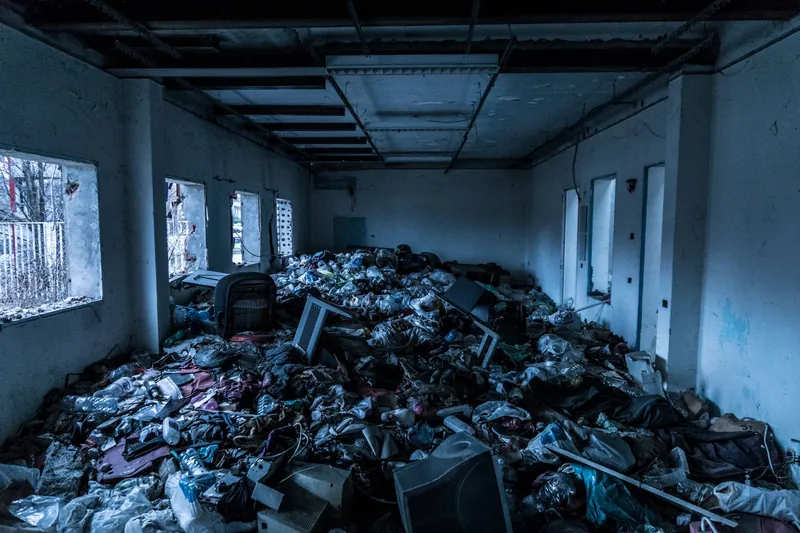
Deep cleaning, respectful sorting and removal are all part of hoarding cleanup.
See hoarding cleanup
Cleanup addresses severe filth and squalor when a home has become unsafe to live in.
See filth and squalor cleanup
Disinfection and drying follow sewage cleanup of Category 3 black water from raw sewage.
See raw sewage cleanupNo universal amount of time makes the material safe. Viruses, parasites and bacteria survive for different periods, with sunlight, temperature and moisture affecting them. Consider aged or dry feces contaminated, since the passage of time does not establish safety. Keep away from the waste and organize controlled cleanup whenever the quantity or affected items exceed a minor accident at home.
Clean observable contamination before applying an appropriate EPA-registered disinfectant exactly as directed on the product label. The surface must remain wet for the stated contact time. Keep bleach and ammonia separate from each other and from other products. More chemicals will not solve contamination inside porous material that cannot be accessed and fully disinfected, so it may need to come out.
For a limited fresh spot, isolate the space, wear disposable gloves, avoid splashing during pickup, remove visible contamination and keep an EPA-registered disinfectant wet for the label's full contact time. Keep cleaning chemicals separate from one another. Get help if waste entered cracks, spread widely, contains blood or includes needles or broken glass.
You might manage a small, fresh amount on an impermeable surface using single-use gloves and equipment, then cleaning and disinfecting the area. Avoid direct hand contact, pushing down filled bags or putting your hands where sharp items could be concealed. Do not clean by hand if fecal matter is widespread, dry, combined with blood or soaked into absorbent materials.
Coverage is possible, depending on what happened and the terms of your policy. A covered incident that happens suddenly is not necessarily treated like recurring waste, neglect or a maintenance issue. Contact the insurance company with details, discuss damaged property and biohazard remediation, then confirm documentation requirements, policy limits, exclusions and your deductible prior to discarding major belongings.
Who pays varies with insurance coverage, the property and what caused the contamination. A homeowner may pay directly or open a claim. A landlord, tenant, employer or property manager may be responsible in other settings. Read the lease or policy, document the condition and ask the insurance company what cleanup and restoration records it requires.
Respectful, discreet human feces cleanup is available 24 hours a day, and crews arrive in unmarked vehicles.