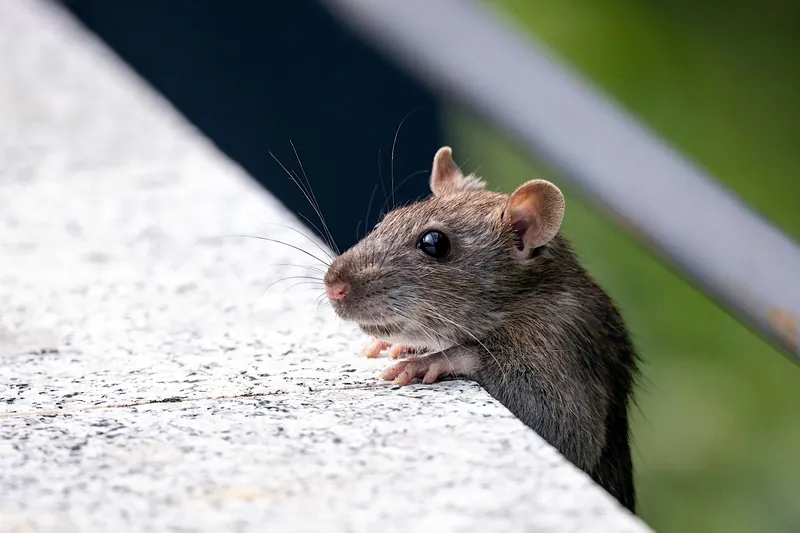
Rodent Droppings and Hantavirus Cleanup
Rodent droppings and hantavirus cleanup in attics, basements and crawl spaces.
See rodent droppings and hantavirus cleanupGet bird or bat droppings, soiled insulation, nesting debris and odor removed from an attic, roof space or building in Cortland. Cleanup begins after wildlife exclusion is complete.
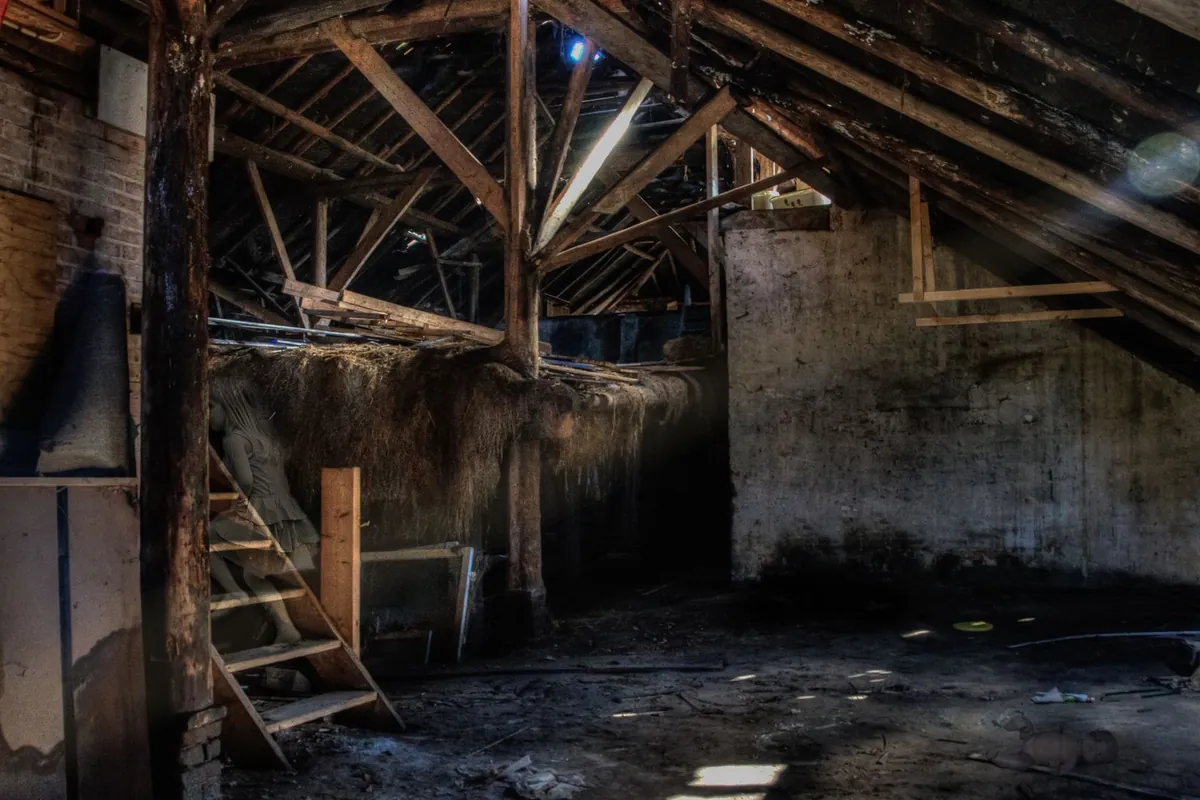
A bird and bat guano cleanup removes droppings under controlled conditions along with nest material, urine traces and affected insulation. It then addresses cleaning, suitable disinfection, odors and disposal of the waste.
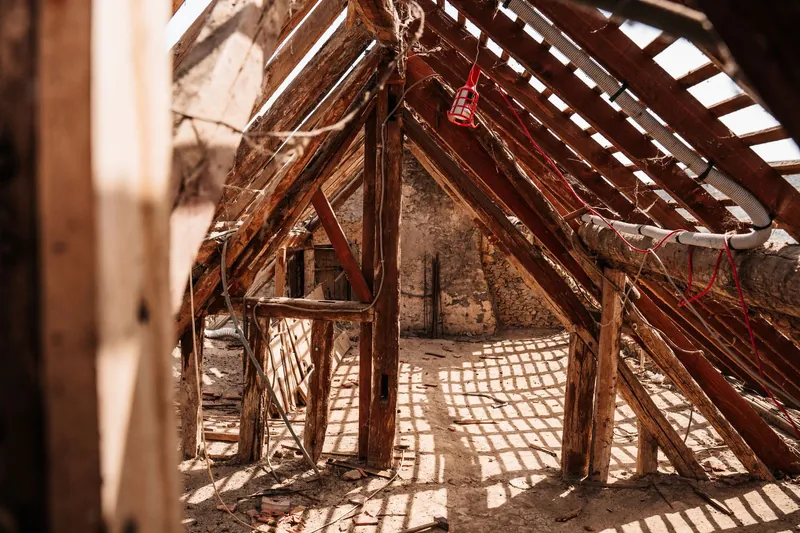
The work often takes place in attics, lofts, barns, warehouses, wall voids, vents and roof areas. Droppings can collect beneath roosts or spread across insulation and stored personal property. A careful inspection identifies the affected area, nearby air pathways and materials that can be cleaned or must be removed.
Ordinary sweeping is not suitable for this biohazard work. Once dry waste is shoveled, brushed or collected with a home vacuum, it may crumble into small airborne particles. Containment, appropriate protective gear and HEPA-filtered tools are used during cleanup to reduce dust spreading beyond the work space.
Ask the right team to outline the entire process, including what stays, what goes and how animal exclusion fits into the work.
Clear job details, disposal records and before-and-after images can help you move forward with restoration or a claim. For a more private visit, unmarked vehicles can be requested.
Contaminated personal property needs to be set apart, documented in photos and discussed with you prior to disposal.
Ask how the team will isolate the work zone, protect the access route and keep dry residue from spreading into clean rooms.
Professional cleaning services are worth considering when droppings cover more than a small hard surface, sit in insulation or could become airborne. Common situations include:
Once a wildlife specialist confirms the bats are out and entry gaps are addressed, residue left behind can be removed safely.
Droppings collect beneath roosting points, settle into loose insulation and leave odor in the attic and rooms below.
Deep or widespread contamination cannot be separated reliably from loose or absorbent insulation, so affected sections may need removal.
Work around loading areas, warehouses, mechanical spaces and signage may be phased so people remain outside the cleanup zone.
Leave the material undisturbed and restrict the affected space. Before assessment, take these steps to clarify the conditions and avoid tracking residue elsewhere:
Call (888) 351-0904According to published guides, $500 to $1,200 is the range for minor guano spot cleaning, while standard remediation runs from $1,500 to $4,000. The range for restoration of a full attic is $4,500 to $9,000. Another publication gives a range from $600 to $8,500. This separate figure applies to larger bat-dropping infestations. Your actual cost reflects the waste amount, attic size, access and whether removal of insulation is necessary.
Published national cost guides are the source for these ranges, rather than an inspection of your property. After an on-site assessment, the price for your property is determined and shared with you before cleanup begins.
Ask about cost: (888) 351-0904Insurance may cover the cleanup depending on its cause, the specific policy and how long the issue was developing. Infestation, routine upkeep and animal activity can fall under exclusions. Ask the insurance company about coverage before work begins if the conditions allow.
Retain photos from the inspection, invoices, scope details and notes documenting material damage. Check with the insurance company about required documents prior to restoration or disposal.
Check whether your policy includes cleanup services, wildlife damage, contaminated insulation and related restoration. Coverage for sudden damage can differ from long-term buildup.
In a rented commercial property, check which party the agreement assigns to pest control, cleanup, upkeep and roof access.
Property owners typically coordinate cleanup concerning shared building systems, structural areas or attic space. Who pays to clean a rented property can be shaped by both the tenancy agreement and local rules.
Remediation is completed in a controlled sequence. Planning for each stage reflects the access, how materials are affected, measures for dust and confirmation that wildlife exclusion has finished.
After inspecting visible deposits, stored items, vents, framing and insulation, cleanup technicians mark the affected areas plus a safe access path.
Active animals must be out before cleaning begins. To prevent new deposits after cleanup, access gaps and animal exclusion measures are checked.
The affected zone is contained away from lived-in rooms. Floor protection, sealed pathways and suitable protective equipment help keep residue in the affected area.
Waste is gathered using techniques that minimize dust. Fine debris that ordinary vacuums may recirculate is captured with HEPA-filtered equipment.
Deeply affected insulation and other absorbent materials are placed in bags and removed instead of receiving surface treatment alone. Uncontaminated material beyond the work boundary may remain.
Cleaning comes first on accessible hard surfaces, followed by an appropriate EPA-registered disinfectant kept wet for the entire labeled contact time.
Remaining residue is checked at beams, joints and cavities. Air quality may improve through HEPA filtration and source-focused odor removal rather than perfume that masks smells.
The work zone is visually checked, photos are recorded and any insulation or restoration services needed after cleanup are explained to the property owner.

Call any hour. A specialist in bird and bat guano cleanup takes your call, walks you through the process and confirms when work can start.
A sizable buildup, or one that has been disturbed, may cause contamination and inhalation concerns. Risk is greater where conditions are enclosed, dry or poorly ventilated.
During removal, dried droppings can crumble and release fine particles. Soil and other matter enriched by bat or bird waste may support fungal growth, and disruption can make spores airborne.
What looks clean on top may hide droppings, nesting material and urine inside soft, loose insulation. Surface-only cleaning may leave contaminated materials and lingering odor.
Residue near wall gaps, hatches, vents or fans can spread to surrounding areas as air circulates or people pass.
When a small blood spill is safe to clean yourself. A lone fresh dropping may be removed from an intact hard surface using moist towels and disposable gloves, followed by a suitable cleaner, but never sweep it. Professional cleanup is appropriate when access is limited, waste buildup is heavy, insulation is affected, odor is strong or air equipment is nearby.
An inspection must come before setting the schedule, since a spot on a surface, attic contamination and unfinished wildlife exclusion each require a different scope. Access limitations, dust measures, insulation removal, odors and restoration needs also change the timing.
| Scene | Typical time on site |
|---|---|
| Small surface area with clear access | Could be completed during one scheduled visit following inspection |
| Attic with deposits across insulation | Requires enough time to isolate, remove and clean the area before final inspection |
| Major accumulation combined with restoration or exclusion work | Frequently carried out in phases alongside animal exclusion and restoration |
Source removal comes before lasting odor treatment. First take out droppings, nests and insulation that is deeply soiled, then treat the remaining surfaces. Covering the smell with fragrance leaves residue untouched in cracks, porous items and concealed attic areas.
After removal, beams and other cleanable surfaces are treated, and HEPA air filtration can reduce dust released during the work. The cleaning service should also inspect vents, attic hatches and wall openings that could carry odor or particles into occupied spaces. Moisture or an active roof leak should be corrected so the cleaned area stays dry.
When birds or bats are present, wildlife law can determine how and when exclusion occurs. Cleanup should follow confirmation that the animals are out and lawful exclusion steps are complete.
Choose an EPA-registered disinfectant appropriate for the surface, and maintain wetness for the entire contact period listed on the label.
Illinois treats soaked materials from a biohazard scene as potentially infectious medical waste (PIMW). Illinois EPA rules control how it is packed, transported and treated, so it cannot go in household trash. Your cleanup plan should also determine which local requirements cover bagged guano, soiled insulation and nest material.
In Cook County, the Cook County Medical Examiner's Office investigates sudden and unexplained deaths. Cleanup starts after police or the medical examiner release the scene. For guano work, ask local building, public health or wildlife offices about any separate requirements that apply to access, animals or disposal.
An inspection must come before setting the schedule, since a spot on a surface, attic contamination and unfinished wildlife exclusion each require a different scope. Access limitations, dust measures, insulation removal, odors and restoration needs also change the timing.
The full bird and bat guano cleanup guide covers what is cleaned or removed, odor and air quality work, and the rules that apply in your state.
Read the full bird and bat guano cleanup guide
Planning for access, containment and cleanup can depend on local population, housing and entry conditions.
The 22.0% renter share suggests many residents can make direct decisions about removing contaminated flooring, walls, or personal items.
Local housing has a median build year of 1998, so cleanup should protect intact finishes while removing materials that cannot be disinfected.
In Cortland, 75 older adults live alone, so relatives may need clear photos and records when managing cleanup from afar.
At 81.9% single-family housing, cleanup boundaries may include attached garages, utility rooms, or storage areas beyond the main room.
During your call, ask whether cleanup is available in surrounding communities and ZIP codes.
Rodent droppings and hantavirus cleanup in attics, basements and crawl spaces.
See rodent droppings and hantavirus cleanup
Dead animals are removed from vents, walls and crawl spaces, followed by odor cleanup.
See dead animal removal and cleanup
Animal hoarding cleanup addresses waste, urine-soaked materials and odors caused by ammonia.
See animal hoarding cleanup
Cleanup removes infectious material, including blood and body fluids, and disinfects the property.
See biohazard cleanup
Biological remediation that removes contamination and returns a space to safe use.
See biohazard remediation
Infectious disease disinfection with EPA-registered products and full surface coverage.
See infectious disease disinfection
Hazmat cleanup uses the appropriate protective equipment for hazardous materials.
See hazmat cleanup
Commercial and industrial biohazard cleanup with minimal downtime.
See commercial and industrial biohazard cleanupAbsolutely. First, ask a wildlife specialist to confirm an empty roost and take care of the places bats entered. Wildlife regulations and dependent young may determine when exclusion occurs and which method is appropriate. Do not seal a known opening without checking, because animals could become trapped inside the structure.
Cost guides place minor spot work at $500 to $1,200, standard cleanup at $1,500 to $4,000 and a full attic restoration at $4,500 to $9,000. The price for your job is shaped by guano depth, total attic area, ease of entry, insulation disposal and smell treatment. You need an inspection before the scope is clear.
It is the controlled removal of droppings, nesting debris, urine residue and affected porous materials. Depending on the site, the cleaning process can combine waste disposal, odor removal, disinfection, HEPA-filtered collection, containment and hard-surface cleaning. Before cleaning contamination, verify that the separate wildlife exclusion work has been finished.
Removing the original deposits, nest debris and insulation affected by urine should reduce the smell. The next step treats materials that can be cleaned and examines hidden cavities or joints for residue left behind. You also need to stop moisture, repair roof leaks and prevent animals from returning, or the smell may recur.
Sometimes not. The decision depends on where droppings and urine reached, how deeply they entered the insulation and whether clean sections can be separated. Deeply or broadly contaminated materials may require disposal. Clean insulation beyond the affected areas may stay if barriers protect it during cleanup.
A single recent dropping on a hard surface is different from buildup across insulation or rafters. Use professional cleanup when deposits are extensive, airborne, close to ventilation, embedded in insulation or in a hard-to-access location. Restrict access for both people and pets, and never use a dry broom as you determine the cleanup plan.
Crews offer discreet and respectful bird and bat guano cleanup, arrive in unmarked vehicles and take calls 24 hours a day.