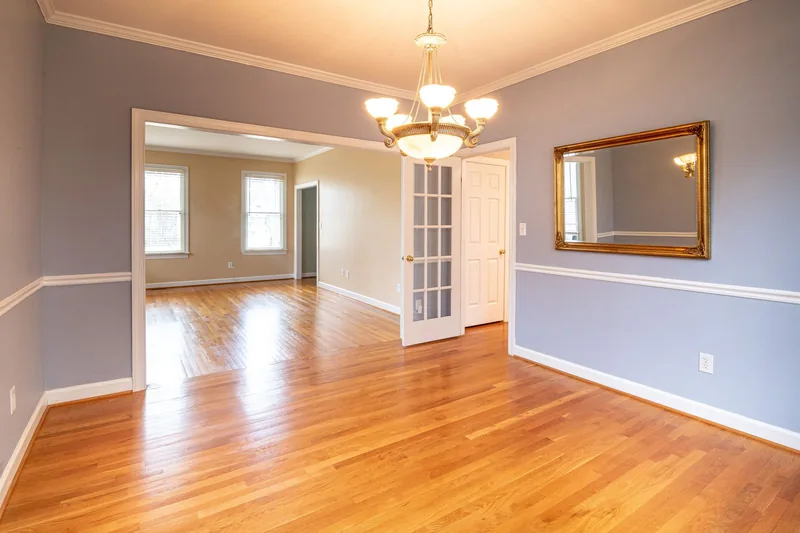
Biohazard Cleanup for Homes and Apartments
For death, blood, crime or hoarding, cleaning is available in apartments, high-rise units, houses and condos, along with sewage cleanup.
Learn moreYou can call for calm, discreet biohazard cleanup at homes, rentals, businesses and vehicles in Clarendon Hills.

Local housing, population and access details can shape containment, access and cleanup planning.
At 15.8% renter occupancy, most housing is owner occupied, which can reduce the number of parties involved in cleanup authorization.
Because the median home dates to 1982, cleanup plans should distinguish washable surfaces from absorbent carpet, padding, and wallboard.
In Clarendon Hills, 587 older adults live alone, making privacy important when relatives, landlords, or building staff become involved.
Because 75.2% of local housing is single-family, owners often can make direct decisions about removing affected structural materials.
After crimes, deaths, accidents, a sewage backup or hoarding situations, biohazard cleanup means safe removal, disinfection and disposal of tissue, blood, bodily fluids and infectious or hazardous materials.
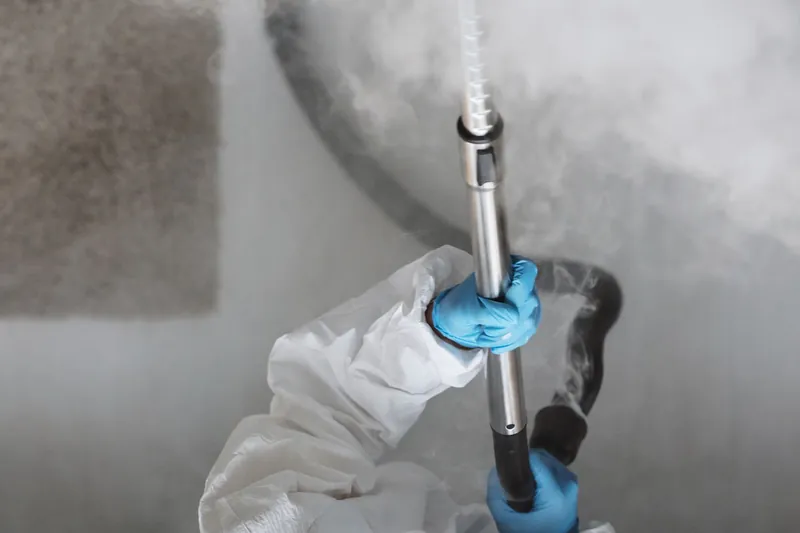
Bio cleanup, trauma cleanup, bio hazard cleaning and biohazard remediation describe the same work. Professional biohazard cleanup goes further than deep cleaning: technicians wear personal protective equipment, find every place contamination reached, remove porous materials that cannot be disinfected and treat the affected areas until they are back to a livable condition.
Biohazard removal services in Clarendon Hills and the surrounding areas cover crime scenes, traumatic events, hoarding, sewage and hazardous waste. Crime scene cleaners do the specialized cleaning that safe scene cleaning requires, from blood and fentanyl cleanup to odor control, with emergency response available day or night. The goal is respectful, compassionate service that helps restore safety to the home.
Emergency service calls are answered day and night, and crews arrive in unmarked vehicles so neighbors and building staff do not know what happened.
Before removal begins, you learn the cleanup plan, every step and the factors that shape the price. You face neither pressure nor surprises.
Your insurance company, property owner or state victim program can receive the photos, waste paperwork and notes describing the scope.
There is no judgment around neglect or hoarding, only consideration for your family during a difficult time. Keepsakes, photos and documents are set aside for you.
For death, blood, crime or hoarding, cleaning is available in apartments, high-rise units, houses and condos, along with sewage cleanup.
Learn more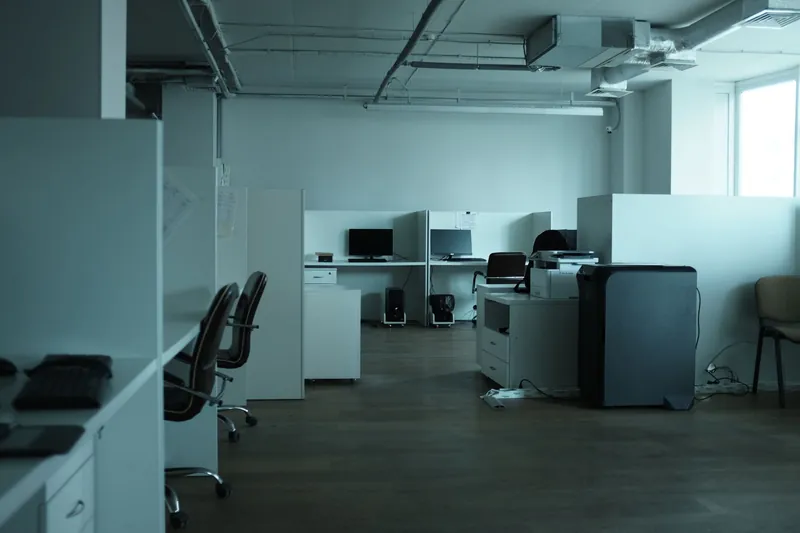
Following break-ins, exposures, injuries or industrial accidents at commercial properties, you can arrange commercial biohazard cleanup around operating hours.
Learn more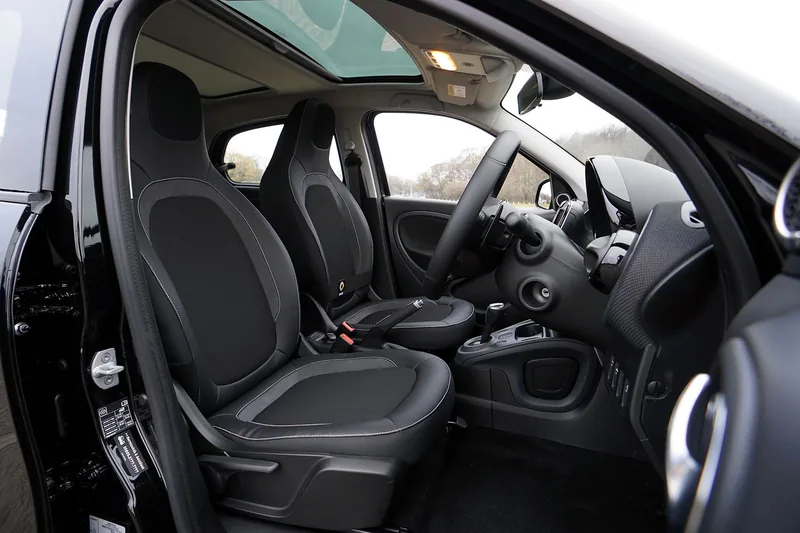
Vehicle biohazard cleanup treats seats, carpet and vents affected by bodily fluids, blood or odors.
Learn more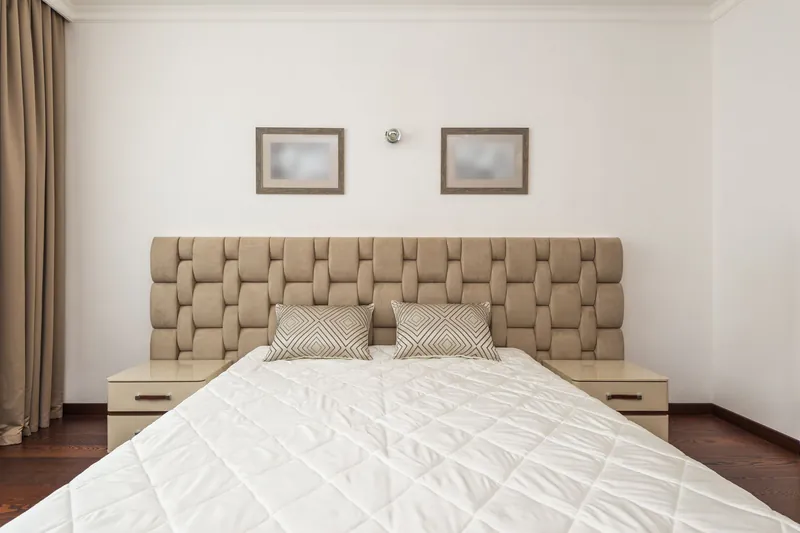
Cleanup gets a unit ready for rental use and includes records for the owner and insurer.
Learn moreSelect the cleanup page that matches your needs. Call if you are uncertain about which cleanup service fits.

Most people only face this once. Your health, claim and final cleanup cost are protected by the first actions you take.
Call (888) 351-0904The biohazard cleanup process follows the same safe order for every job, from the first call to the final inspection.
The caller describes what occurred. Technicians inspect the scene, photograph it and agree the scope with you.
The affected area is sealed off with plastic sheeting so contamination does not spread to other rooms.
Porous materials that absorbed infectious materials, such as carpet, pad and drywall, are cut out and sealed as medical waste so nothing is left behind.
Hospital-grade disinfectant registered by the EPA is applied after all surfaces are cleaned.
Air scrubbers, ozone or hydroxyl address odor where it begins, while vents receive inspection.
Tracking paperwork follows sealed waste to a permitted facility where medical waste is treated.
The space is inspected and, where appropriate, ATP tested to confirm a livable condition, and documentation and photos are prepared for your claim.
Removed flooring or drywall can be rebuilt by your contractor or your insurer's vendor.
The Fixr guide shows $3,000 to $5,000 as the usual national range when you hire biohazard cleanup. Your price depends on the kind of job. Guides put minor blood cleanup at $500 to $2,500, with sewage backup work at $2,000 to $10,000. The final price follows an on-site assessment.
Yes, often. Biohazard cleanup following a sudden incident, including a death, sewage backup or crime, is commonly covered by renters and homeowners policies, less your deductible.
Accidental events are commonly covered when sudden. Hoarding and long-term neglect usually are not. Contact your insurer ahead of any cleanup.
After a death, cleanup costs can often be paid by the estate. The responsibility usually falls to a family member or executor.
In rental units and common areas, the owner or property manager usually arranges and pays for cleanup.
The Illinois Attorney General's Crime Victim Services Division lists crime scene cleanup among the costs its compensation program can help offset, so victims of violent crime can ask about it. Insurance is usually checked first.
You can call anytime. A cleanup specialist can explain the next steps for your property.
A biohazard is any biological material that can cause disease, such as blood, bodily fluids, tissue, human or animal waste, raw sewage and used needles.
Biohazard cleanup can be discreet. Crews arrive in unmarked vehicles, work quietly and keep details private from neighbors and building staff.
One to three days is a common window for sewage-related symptoms to appear, but some infections need more time. Avoid any contact with the area and keep children and pets away.
Body removal is completed either by a funeral home or by the medical examiner or coroner. Once the body is removed, the family or owner must clean the property; a biohazard cleanup company is the choice for most.
A typical job requires one to three days at the site. Heavy scenes, decomposition or hoarding cleanouts can take several days to two weeks.
Someone answers your call 24 hours a day, on weekends and holidays too.