Raw Sewage Cleanup
Sewage cleanup removes Category 3 black water from raw sewage, then disinfects and dries the area.
See raw sewage cleanupGet sewage, wet insulation, contaminated debris, moisture and odor removed from the crawl space beneath your home in Chesterfield. The source should be stopped before cleanup begins.
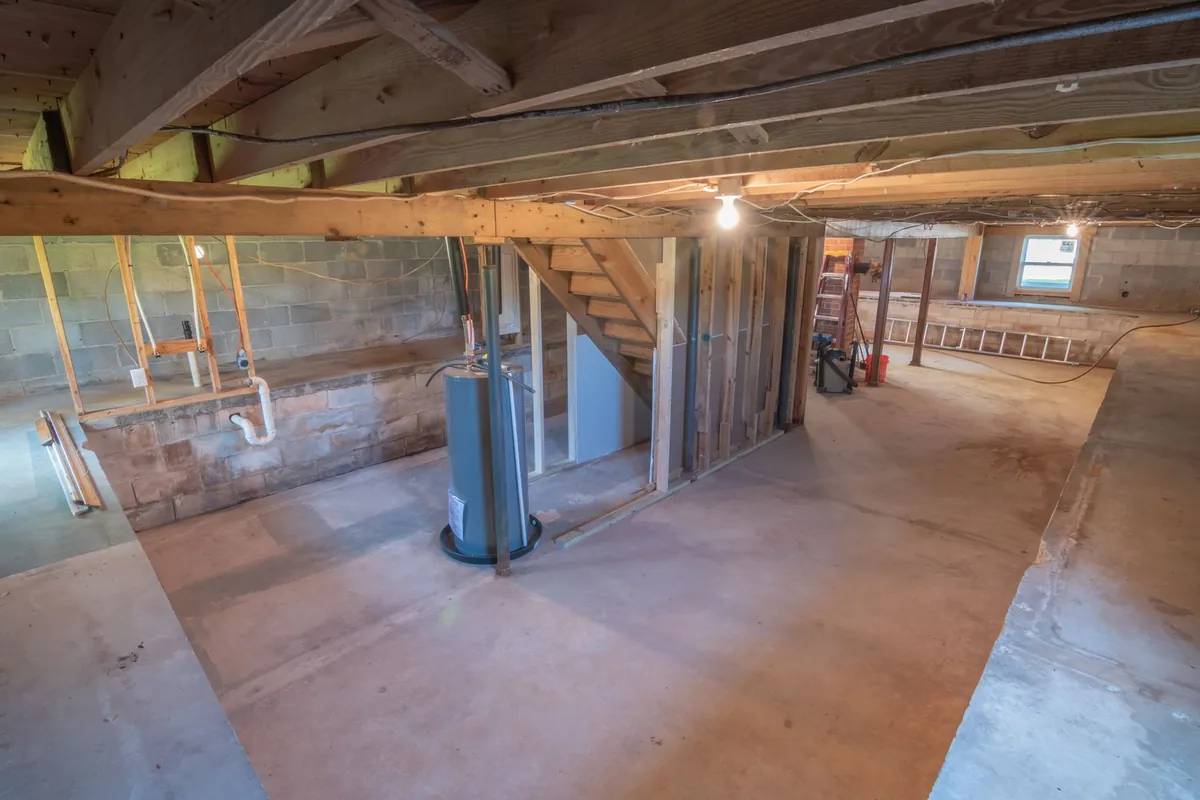
Crawl space sewage cleanup means clearing solid waste, polluted materials and Category 3 black water from the space under a home. Cleaning and disinfection follow, along with dampness control and odor treatment.
Cleanup starts only once the incoming flow is stopped. Repair by a plumber may be necessary for a damaged drain, sewer line leak or ejector pump failure. A suspected public sewer issue may also require an inspection by your utility. Technicians map the affected boundaries, examine nearby utilities and supports, and determine how to enter the crawl space safely.
Bare ground, vapor barriers, wood framing, fiberglass insulation, pipes and duct surfaces may all be reached by crawl space sewage. Any standing wastewater is extracted, and materials that cannot be cleaned fully are taken away. Sound hard surfaces receive cleaning and an EPA-registered disinfectant, which stays for the entire label contact time. Drying and air quality measures come next, ahead of repair work.
The right team isolates both entry and work areas so equipment, hoses and packaged waste cannot spread sewage indoors.
Day and night call answering is available. Crews use unmarked vehicles so activity at your home stays discreet.
Records of disposal, the cleanup plan, dampness readings and photos support conversations about the loss with property owners and insurance companies.
You get an explanation of every step, the materials being cleaned or taken out, the areas being dried and the factors behind pricing.
A professional cleanup is appropriate if sewage reaches your crawl space or is absorbed by materials below the living space. Situations often include:
Loose gravel or soil can absorb spreading liquid waste, and a spray applied only on top will not eliminate the contamination.
Fiberglass and other absorbent insulation trap contaminated moisture, making reliable cleaning in the crawl space unlikely.
Sewage odor moves through gaps, plumbing openings or ductwork and signals that a source may remain below. Ordinary cleaning services do not address wastewater hidden under a residence.
A damaged or disconnected drain can spill wastewater across plastic sheeting, structural supports, insulation and the soil below.
Keep people safe before stopping any further wastewater entry. Until the cleanup technicians get there:
Call (888) 351-0904The approved cost file does not list a range specifically for crawl spaces. Its nearest published comparisons are for sewage backups and Category 3 cleanup, where related jobs range from $1,500 to $10,000. That range is only a comparison, not a quote for your crawl space. Your actual price is assessed from access height, the affected area, saturated insulation, polluted soil, drying needs and repair work.
Published national cost guides are the source for these ranges, rather than an inspection of your property. You learn what your property will cost after the on-site assessment and before any work begins.
Ask about cost: (888) 351-0904Coverage depends on the cause of the loss and the wording of your policy. A sewer or drain backup endorsement may apply, while maintenance problems, groundwater and flood events may be excluded.
Building and renter's policies protect separate categories of property. The cause, rental agreement and local requirements may determine responsibility.
Keep photos, the plumber's findings, the cleanup scope, removed-material records and receipts for your insurance company.
The owner of the property may have to pay for a loss without coverage. Ask for the cleanup scope, cost factors and payment terms, and whether separate restoration services will be needed after the area is dry.
Check if your policy covers sewer or drain backups, the deductible you must pay and whether it includes cleanup plus damaged materials.
Cleanup moves through a controlled sequence designed to keep waste from reaching unaffected areas. Conditions vary from one job to another, but remediation commonly involves these steps:
Technicians inspect from safe access points, identify the affected areas, note utilities and photograph conditions before work starts. Every situation requires a work scope reflecting the sewage path and extent.
The cleanup involves protecting access surfaces, containing the work space and selecting protective gear for Category 3 material.
Standing liquid and solid waste are removed with equipment intended for contaminated water and hazardous materials.
Soaked insulation, torn vapor barriers, cardboard and similar absorbent materials are bagged for proper waste disposal when cleaning is not possible.
Contaminated debris and affected soil are addressed, while framing, pipes and other cleanable surfaces are washed to remove residue.
Workers treat cleanable materials with an EPA-registered disinfectant, allowing the label-specified contact time while the surface remains wet.
Airflow combined with dehumidification helps dry the space. Odor treatment begins only after sewage and contaminated materials are gone.
After checking for residual material, visible wetness and odor, cleanup documents let you move forward during repair planning or insurance discussions.

You can call anytime. A crawl space sewage cleanup specialist answers, explains the steps and agrees a start time with you.
Raw sewage is Category 3 black water, and direct contact or tracking it into living areas can expose you to harmful microorganisms and other contaminants.
Waste can move on equipment, footwear and hoses into yards, across floors and onto personal property when the work area and path are not contained.
Raw sewage can hold parasites, viruses and bacteria. These contaminants create serious health risks, and entering the dark, confined space adds hazards from splashes, sharp objects and slippery surfaces.
Mold may begin to develop on damp material within 24 to 48 hours, according to the EPA. Sewage removal still must be followed by drying and moisture management.
When a small blood spill is safe to clean yourself. Stay out of a low crawl space instead of attempting your own sewage cleanup. Professional cleanup and suitable protective equipment are needed because Category 3 water, restricted access, concealed utilities and polluted porous items create combined hazards. A plumber repairs the source, while cleanup technicians address what was left behind.
After contaminated soil and residue are cleared, cleanable materials may remain when they are structurally sound. Items with porous surfaces generally come out if sewage was absorbed.

When a minor spill is easy to reach, completing cleanup and drying may require one to two days. Several days may be needed for a larger backup involving saturated insulation, contaminated soil or restricted access. Any plumbing and structural repair time is separate.
| Scene | Typical time on site |
|---|---|
| Limited removal from a small reachable area | Often one to two days |
| Larger space requiring vapor barrier and insulation removal | Often two to four days |
| Heavy contamination, soil work or extended drying | Several days, with moisture levels determining progress |
Odor removal starts with taking out sewage, residue and porous materials that absorbed it. Fragrance or surface spray cannot correct waste left in soil, wet insulation, damaged duct liner or debris. The source must be removed before deodorizing begins.
After cleaning, the area is dried with controlled air movement and dehumidification. HEPA air scrubbers can help control airborne particles during work. Technicians also check openings, ducts and nearby rooms so odor is not simply moving into the living space. Persistent odor calls for another source and moisture inspection, not stronger perfume.

When a minor spill is easy to reach, completing cleanup and drying may require one to two days. Several days may be needed for a larger backup involving saturated insulation, contaminated soil or restricted access. Any plumbing and structural repair time is separate.
The full crawl space sewage cleanup guide covers what is cleaned or removed, odor and air quality work, and the rules that apply in Illinois and Cook County.
Read the full crawl space sewage cleanup guideLocal housing, population and access details can shape containment, access and cleanup planning.
If direct exposure occurs, the closest listed emergency option is Roseland Community Hospital, about 2.7 miles away, not the cleanup site.
After a needle stick or contact with bodily fluid, Roseland Community Hospital is listed nearest and Advocate Trinity Hospital offers another named care option.
Chesterfield is near Dauphin Park, Garden Homes, and Chatham, which can matter when family members are arriving from surrounding communities.
The neighborhood setting makes privacy especially important when equipment must pass through sidewalks, lobbies, or other visible common areas.
During your call, ask whether cleanup is available in surrounding communities and ZIP codes.
Sewage cleanup removes Category 3 black water from raw sewage, then disinfects and dries the area.
See raw sewage cleanup
Sewer backup cleanup for basements, floor drains and lower levels.
See sewer backup cleanup
Removal and disinfection of blood, body fluids and other infectious material from any property.
See biohazard cleanup
After exposure to infectious or hazardous material, the air, room and surfaces are fully decontaminated.
See biohazard decontamination
A contaminated space is restored to safe use through biological remediation and contaminant removal.
See biohazard remediation
Hazmat cleanup of hazardous materials with the right protective equipment.
See hazmat cleanup
Sealed containers with labels hold biohazard waste during collection and disposal.
See biohazard waste disposal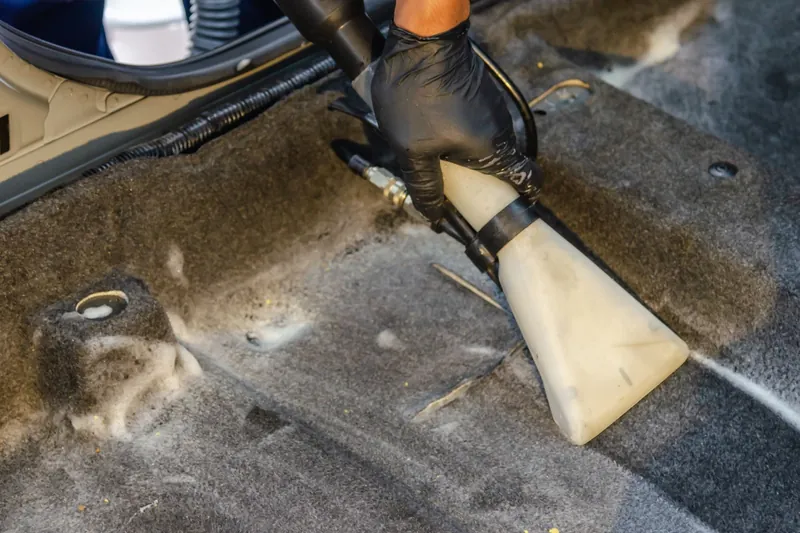
Cleanup treats biohazards on upholstery and carpeting, or removes affected materials safely when needed.
See biohazard carpet and upholstery cleaningYour policy and the source of the sewage decide whether it may be covered. Coverage for backed-up sewers or drains commonly comes through an endorsement. Exclusions can apply to maintenance issues, rising groundwater and flood losses. Contact your insurance company without delay, discuss your deductible and preserve photographs, plumbing findings, cleanup records, moisture documentation and receipts.
A small, easy-to-reach affected area may take one to two days. Several days may be needed for widespread contamination, tight clearance, wet insulation, soil removal or longer drying. Plumbing, electrical or structural repairs are separate. Moisture readings and a final inspection are more useful than a fixed timeline.
Personal sewage cleanup with untreated waste is unsafe inside a crawl space. Harmful microorganisms may be present in Category 3 water, while poor ventilation, concealed wires and sharp objects add hazards. Professional cleanup contains access, uses protective equipment and prevents affected material from moving into areas where you live.
Sewage-soaked insulation usually must come out since absorbent material cannot be fully cleaned with reliable results. Polluted cardboard, cloth and torn duct lining have the same porous-material issue. When physical cleaning can clear residue and allow thorough disinfection and drying, sound pipe exteriors, masonry and structural wood may be retained.
Plumbers generally correct the cause by fixing or clearing a pump, fixture, sewer pipe or drain. A distinct cleaning process addresses sewage cleanup apart from plumbing. The process covers waste extraction, contaminated material removal, surface cleaning, odor removal, drying, disinfection and waste disposal. Ask each company exactly which part of the work it will perform.
Keep pets and people away, reduce water use inside the home and do not contact pooled sewage or electrical items close by. A plumber can stop the source when your household piping or drain has failed. Notify the utility when the problem might involve a public sewer. Afterward, schedule professional cleanup for wastewater, contaminated materials, dampness and smells.
Respectful, discreet crawl space sewage cleanup is available 24 hours a day, and crews arrive in unmarked vehicles.