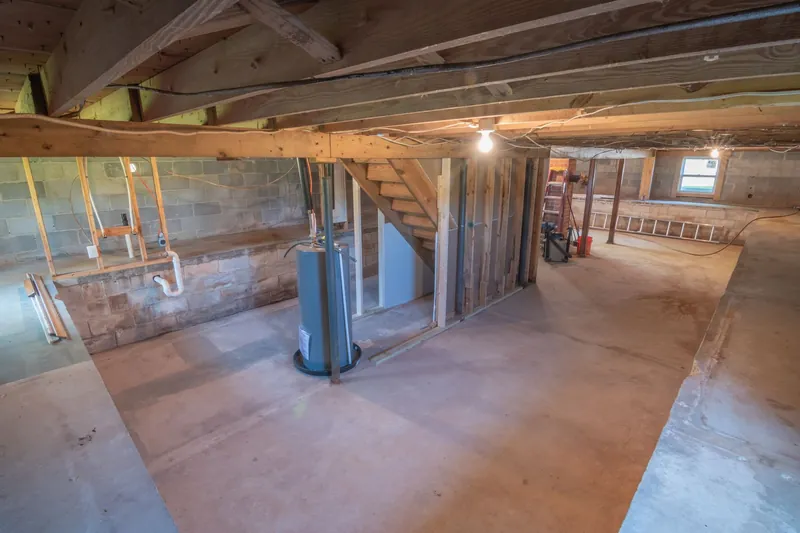
Sewer Backup Cleanup
Sewer backup cleanup for basements, floor drains and lower levels.
See sewer backup cleanupGet Category 3 black water removed from a home, apartment, rental or business in Carol Stream. Sewage cleanup includes contaminated material removal, cleaning, disinfection, odor control and structural drying.
A raw sewage cleanup removes contaminated materials and Category 3 black water. Detailed surface cleaning, odor treatment, disinfection and drying of the structure follow.
Sewage may come from an outside spill, a damaged sewer line, or a backup at a toilet, floor drain or shower. Human waste, bacteria, bodily fluids and other dangerous materials may be present. Water in plain view can be just one part of the damage. It can reach neighboring rooms and travel below flooring or behind baseboards.
Sewage cleaning starts after the active flow ends. Depending on the damage, it can require extraction, removal of absorbent materials, surface cleaning, moisture readings and drying. Treatment uses an EPA-registered disinfectant that stays for the complete label contact time. Repair of the obstruction or pipe is the plumber's role. Cleaning services take care of what was contaminated and leave it dry.
You can call during the day or overnight. Tell the crew about immediate hazards, affected areas and the cause. Crew arrival can be in unmarked vehicles.
Personal property is sorted by material and exposure, so items that may be cleaned are separated from items that cannot be safely kept.
An itemized work scope, photographs and moisture readings may be compiled for managers, property owners and insurance companies.
You hear what will be extracted, cleaned, removed, dried and documented before the cleanup process moves forward.
When wastewater has contaminated part of a structure, crawl area or exterior property, professional sewage cleaning is appropriate. Examples include:
A damaged pipe or sewer backup leaves waste under the home, where access, insulation and soil make cleaning more difficult.
When sewage backs up in an office, store, apartment building or another business, access must be controlled during cleaning and drying.
A sewer or floor drain backup sends black water across finished floors, concrete, walls or property kept in storage.
The toilet releases wastewater with human waste, or sewage moves past the bathroom and reaches nearby halls or rooms.
Before any cleaning, focus on keeping people from exposure and preventing more wastewater entry. Start with these steps:
Call (888) 351-0904Published cost guides place many sewage cleanup projects between $2,000 and $10,000. Another published span is $1,500 to $8,000. These are planning ranges, not a fixed local price. The amount of Category 3 water, affected square footage, material removal, drying and waste disposal determine the actual scope after inspection.
Published national cost guides are the source for these ranges, rather than an inspection of your property. You learn what your property will cost after the on-site assessment and before any work begins.
Ask about cost: (888) 351-0904Your policy terms, exclusions and limits, along with the reason for the backup, determine coverage. Contact your insurance company quickly and ask specifically about drain or sewer backup coverage. If conditions allow you to wait, follow clear instructions before proceeding.
If insurance does not cover the loss, the property owner usually pays for cleanup. Ask for priorities, identify work that can be postponed and learn how adjustments to the scope receive approval.
An itemized scope, pictures, records of discarded materials and moisture data may support the insurance company assessment. Save your claim number and copies of all communications.
Responsibility can depend on where the failure occurred, what caused it and the lease. Contact the property owner or manager without delay, then preserve documentation of the damage.
A standard policy may treat sewer or drain backup differently from other water losses. Confirm whether your policy has a sewer backup endorsement and if it includes restoration, material removal and cleanup.
The sewage remediation process follows a controlled sequence that separates contaminated space, removes black water, cleans exposed surfaces and confirms that structural materials are dry. Trained technicians control every step of the entire process. The exact scope depends on what the wastewater touched because no single plan fits every situation.
Cleanup technicians examine the source and surrounding areas, record existing conditions and determine which materials wastewater reached.
Entry is limited, unaffected spaces are isolated from the cleanup zone and technicians wear protective equipment appropriate for the exposure.
Technicians use contaminated-water extraction equipment on standing wastewater and prevent collected liquid from moving into unaffected rooms.
Porous items that cannot be fully cleaned, including saturated drywall, insulation, carpet and pad, are taken out of the affected area.
Remaining hard surfaces are cleaned first, then treated with an EPA-registered disinfectant for the full contact time shown on its label.
Materials taken out are contained and transported in accordance with requirements for that waste type and location. Whether the material legally counts as hazardous waste depends on the applicable rules.
After removal and cleaning, technicians manage structural drying with airflow, moisture checks and dehumidification.
A final check for residual dampness, smells or hidden damage comes before restoration services move forward with replacement drywall, insulation or floors.
Call any hour. Your raw sewage cleanup specialist answers the phone, describes what happens next and works with you on a start time.
Raw sewage can expose you to harmful microorganisms, contaminated objects and hidden moisture, so a large or spreading backup should not be treated like ordinary household water.
Raw sewage has the Category 3 black water classification. Anything exposed to sewage needs a contamination-focused cleaning process because routine water extraction or mopping is not sufficient.
Wastewater may contain bacteria, viruses and parasites. Stay clear of splashes, affected dust and direct skin contact, and ask vulnerable loved ones to remain outside the affected area.
Sewage may spread under floors, penetrate insulation and enter cavities inside walls. The building can retain dampness and odor because contaminated materials were left behind.
When a small blood spill is safe to clean yourself. Only consider managing a very small spill on an undamaged outdoor hard surface when no electrical hazard exists, the flow has ended, and contact and runoff can be controlled. Avoid mixing any chemical cleaners. For sewage on porous material, inside rooms, beneath a home or beyond clear boundaries, trained professionals are the right team to manage exposure and finish cleanup.
Porous items frequently require removal after absorbing raw sewage because contamination may stay under their surfaces. Non-porous materials may remain only if each exposed area can be accessed, cleaned and disinfected.

Category 3 black water treatment applies to raw sewage. The work plan should address extraction, contaminated porous material, cleaning, disinfection and drying.
The product needs EPA registration for its intended purpose and must stay wet as long as the label contact time requires.
Illinois treats soaked materials from a biohazard scene as potentially infectious medical waste (PIMW). Illinois EPA rules control how it is packed, transported and treated, so it cannot go in household trash.
In Cook County, the Cook County Medical Examiner's Office investigates sudden and unexplained deaths. Cleanup starts after police or the medical examiner release the scene.
No standard safe duration applies to sewage cleanup. Work proceeds from extraction into removal and cleaning, then continues through drying. Do not advance the space to restoration until its moisture readings and final check support doing so.
The full raw sewage cleanup guide covers what is cleaned or removed, odor and air quality work, and the rules that apply in your state.
Read the full raw sewage cleanup guidePlanning for access, containment and cleanup can depend on local population, housing and entry conditions.
Because 32.7% of households rent, crews may need building approval before removing contaminated carpet, drywall, or other fixed materials.
Because the median home dates to 1984, cleanup plans should distinguish washable surfaces from absorbent carpet, padding, and wallboard.
With 31.0% of seniors living alone, an unattended illness or death may go unnoticed, increasing the area affected by fluids and odor.
Housing at 65.3% single-family occupancy calls for flexible cleanup planning rather than assumptions based on one building type.
Ask on the call about cleanup options for neighboring communities and ZIP codes.
Sewer backup cleanup for basements, floor drains and lower levels.
See sewer backup cleanup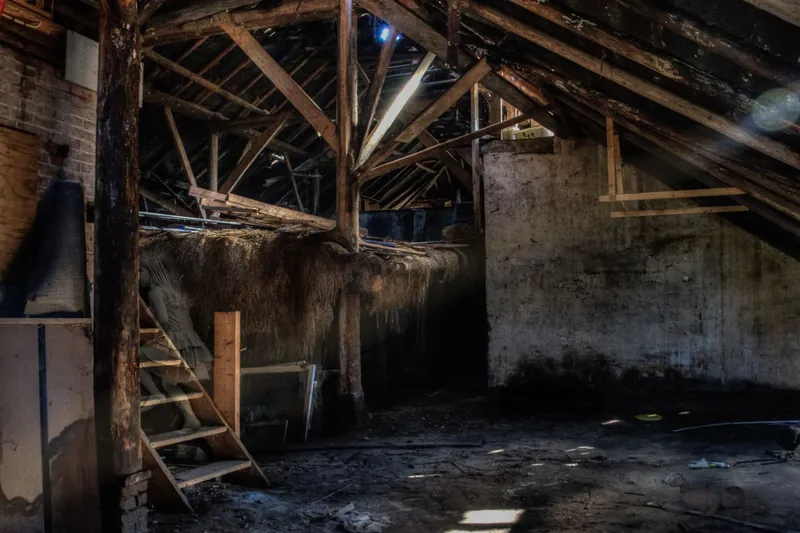
Crawl space sewage cleanup addresses wet insulation and affected soil.
See crawl space sewage cleanup
Human feces cleanup includes disinfection in homes, public restrooms and rental properties.
See human feces cleanup
Removal and disinfection of blood, body fluids and other infectious material from any property.
See biohazard cleanup
Biological remediation that removes contamination and returns a space to safe use.
See biohazard remediation
Industrial and commercial biohazard cleanup keeps downtime to a minimum.
See commercial and industrial biohazard cleanup
Biohazard cleanup addresses Airbnb accommodations, hotels and other rental units.
See hotel, airbnb and rental biohazard cleanup
Cleanup treats biohazards on upholstery and carpeting, or removes affected materials safely when needed.
See biohazard carpet and upholstery cleaningCall a plumber or sewer professional to stop the source, and call a sewage cleanup company for contaminated water removal, material removal, disinfection and drying. Possible contact with electricity makes the water unsafe to enter. Have a qualified electrician or the proper utility address the danger first.
Cleanup begins by removing the standing wastewater. The concrete is then cleaned to remove soil before an EPA-registered disinfectant is applied for the label contact time. Cracks, joints, wall edges and nearby porous materials need inspection because sewage can move beyond the visible stain. The area is dried next and then inspected for lingering smells.
Timing varies, so one schedule cannot describe every exposure or individual. Prevent exposure, and promptly clean any contacted skin using soap and safe water. Seek guidance for your circumstances from poison control or a medical professional if you swallowed wastewater, got it in your eyes, exposed broken skin or developed symptoms.
First stop the underlying problem, then limit access and take out the accumulated wastewater. Contaminated insulation and other porous material may need disposal. Crews wash and disinfect surfaces they can access, then dry the crawl space and take moisture readings. Restricted access, bare earth and plumbing out of view can affect the planned work.
Avoid all water use and close off the bathroom. Wait for repair of the underlying problem before running that shower or flushing a nearby toilet. Wastewater limited to undamaged hard surfaces creates a different situation than sewage that penetrated grout, touched drywall or left the bathroom. Arrange professional sewage cleanup if you cannot tell how far the contamination spread.
A plumber typically identifies what caused the overflow, then repairs a broken pipe, failed fixture or obstruction. Sewage cleanup services deal with contamination remaining inside the structure. Confirm who is responsible for each stage, including the plumbing fix, wastewater removal, material disposal, disinfection and drying.
Respectful, discreet raw sewage cleanup is available 24 hours a day, and crews arrive in unmarked vehicles.