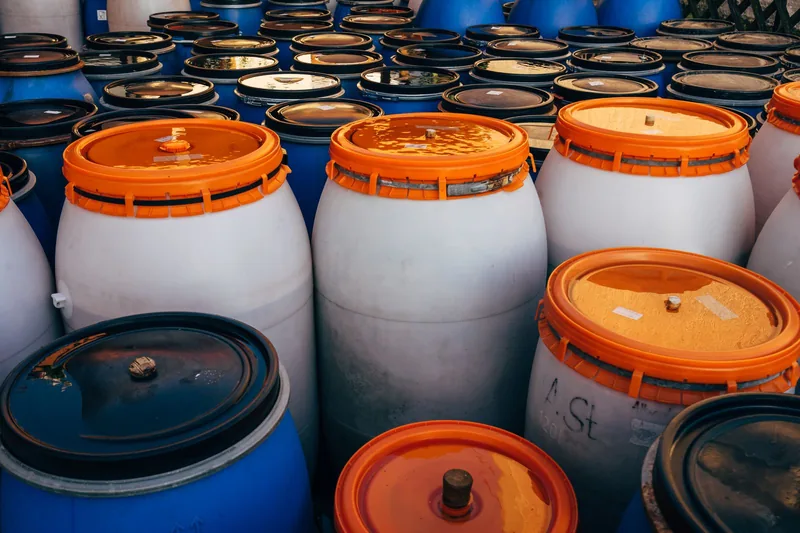
Hazmat Cleanup
Hazmat cleanup of hazardous materials with the right protective equipment.
See hazmat cleanupGet help with chemical spills, toxic residue, damaged containers and contaminated materials in Campton Hills. The substance is identified before the cleanup method, packaging and waste route are chosen.

Chemical and toxic waste cleanup uses controlled methods to remove product spills, leftover residue, compromised containers and contaminated materials. It then covers surface cleaning and correct disposal of the waste.
First, the material present must be identified. Information may come from its product label, a safety data sheet, shipping paperwork or a report by emergency responders. That identity determines the approach, since a technique suitable for one chemical could react with a different one. Never touch an unknown liquid or powder, lean in to smell it, or combine it with cleaning products. Every part of cleanup must be based on the identified substance's hazards.
Chemical cleaning services can apply to homes, garages, vehicles, rental units, warehouses, workshops and commercial properties. Cleanup involves defining the affected and surrounding areas, choosing protective equipment, stopping residue from spreading and separating cleanable items from hazardous waste. The right team also addresses biohazard remediation separately when bodily fluids, animal waste or other biohazards are present.
You receive an explanation of known details, unanswered identification questions and why each suggested containment, cleaning or removal action is necessary before approving progress.
Insurance companies can receive organized work details, available waste records and photos, along with property owners and additional responsible parties. The paperwork may clarify for restoration services what was taken away before repair work starts.
You can call during the day or overnight, and crews arrive in unmarked vehicles. You have an opportunity to discuss the material, property type and current issue before access arrangements are made.
Items are grouped by surface and exposure. Personal property is not treated with a one-method-fits-all chemical that could create more damage.
Consider professional cleanup if you do not know the material, its label rules out normal disposal, a reaction or fumes could occur, or more than one small washable surface was affected. The plan must reflect both the substance and the surfaces it reached. Situations often include:
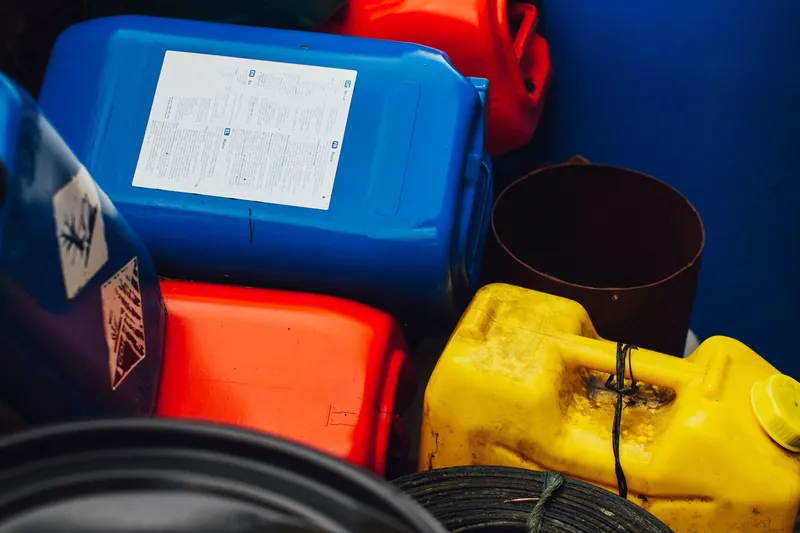
Old drums, bottles and assorted waste require separation without opening the containers, mixing anything together or emptying the contents.
Leaking cleaners, fuels, pesticides, pool products or workshop products can affect floors, cabinets and nearby belongings.
A cautious assessment of unidentified liquid, powder or staining comes before decisions about protective gear and cleaning. Follow law enforcement instructions if the material may relate to illegal activity.
A process spill or damaged container can call for restricted entry, documentation and coordination with whoever manages safety at work.
Your first goal is to avoid exposure and keep the material from being tracked into another area. Take only steps that do not bring you closer to the spill:
Call (888) 351-0904Project cost data publishes just one hazardous chemical amount, $30 to $50 per barrel. The figure guides disposal costs and does not represent the full cleanup charge. An assessment of the material and all affected areas is needed because identification, labor, containment, transport, packaging and removal of surfaces influence the final scope.
Published national cost guides are the source for these ranges, rather than an inspection of your property. The price for your property is set after the on-site assessment, and you hear it before work starts.
Ask about cost: (888) 351-0904Coverage depends on the policy, the cause of the release and who owns or controlled the material. Insurance assistance can include organizing photos, the work scope and receipts, but the insurance company decides coverage. Report the event promptly and ask about documentation requirements.
The person who introduced the substance, as well as an owner, tenant, contractor or employer, could be involved. Payment responsibility can change based on insurance language and the terms of leases or work agreements.
Confirm whether testing, chemical cleanup, hazardous waste disposal, contents and restoration are covered. Also ask about your deductible and all required receipts, reports and photos.
Some sudden releases can be treated differently under a renters or homeowners policy than ongoing leakage, excluded pollution or inadequate storage. Confirm the precise cause prior to approving work that can wait.
Commercial policies differ. After reporting the event, the business or property owner should keep relevant records and labels and confirm whether environmental work and damaged items are covered.
The substance determines how remediation proceeds, so the work must not rely on one standard method for every situation. Trained professionals examine product facts and site information, then order the work around the known hazards. Typical stages of chemical cleaning are:
The affected area is mapped with surrounding areas after technicians study product labels, location information and safety data, but before anything is disturbed.
To stop residue from traveling on shoes, through air or on tools, technicians limit access and establish a controlled zone.
Protective clothing, gloves, breathing protection and eye gear are chosen according to the identified danger and type of work.
Salvageable powders, liquids and broken containers go into compatible sealed packaging, while incompatible substances remain separate.
When thorough, safe cleaning is not possible, absorbent materials such as drywall, insulation, carpet, padding or vehicle trim are taken out.
The chemical, hard surface and manufacturer's directions determine which compatible cleaning method is used.
Each waste package receives a label and is routed to an appropriate location under relevant rules for that material.
The work area is checked for remaining residue, odor and tracked contamination, and cleanup and waste records are organized for you.

Call at any time. Your chemical and toxic waste cleanup specialist answers the phone, describes what happens next and works with you on a start time.
Exposure to chemicals may harm your eyes, skin, breathing or nervous system. The substance involved and its concentration determine which precautions are correct.
Chemical material can splash in liquid or powder form, or travel as residue on tools, gloves and shoes. Product documentation should direct decontamination measures and the selection of protective equipment.
Absorbent materials such as carpet, unfinished wood, padding, upholstery and drywall can take in chemicals. Chemical remains can stay beneath a material after its surface is wiped.
A new reaction and wider contamination can result from draining a chemical, mixing container contents or discarding hazardous waste with ordinary garbage.
When a small blood spill is safe to clean yourself. You should consider cleaning a minor spill yourself only if you know the product, its label has specific cleanup directions, no one feels symptoms and every safety step can be followed. If the product is unknown, reactive, strongly odorous or spread into a porous surface, keep out and seek professional cleanup or emergency guidance.
Decisions about keeping an item depend on what the chemical is, what surface it touched and how far it penetrated. Identification must happen first to avoid leaving hidden contamination behind.
For covered workplaces, OSHA Hazard Communication Standard 29 CFR 1910.1200 addresses chemical hazard information, labels, safety data sheets and worker training.
You can find protective measures, incompatibilities, hazard details and response guidance on a product's label and safety data sheet. Use the product guidance to set the cleaning process after its identity is known.
Waste rules depend on what the material is and where it came from. Chemical waste should be identified before transport or disposal, and local directions may be stricter than ordinary trash rules.
When biological contamination is also present, an EPA-registered disinfectant should be used on a compatible surface for the full contact time stated on its label. You still need chemical removal after disinfection.
There is no safe way to set the cleanup time until the chemical, its volume and the area it reached are understood. An accessible hard surface with a known substance is simpler to address than unknown material spread through several rooms or into soil, flooring and wall cavities.
The full chemical and toxic waste cleanup guide covers what is cleaned or removed, odor and air quality work, and the rules that apply in Illinois and Kane County.
Read the full chemical and toxic waste cleanup guideLocal population patterns, housing and site access may affect how containment and cleanup are planned.
Only 1.3% of homes in Campton Hills are renter occupied, so many cleanup decisions may rest directly with resident owners.
Homes with a median construction year of 1989 may contain layered renovations that hide affected materials beneath newer finishes.
The local senior population includes 185 people living alone, and each unattended event calls for discreet, respectful cleanup planning.
With 98.6% single-family housing, crews may need to inspect basements, crawl spaces, garages, and other areas unique to detached homes.
Ask on the call about cleanup options for neighboring communities and ZIP codes.
Hazmat cleanup of hazardous materials with the right protective equipment.
See hazmat cleanup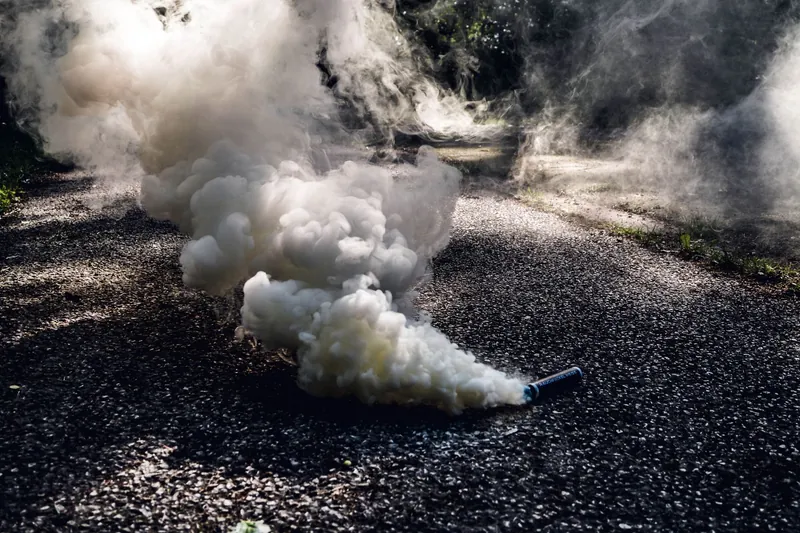
Residue from tear gas and pepper spray is cleaned after police action or self-defense.
See tear gas and pepper spray cleanup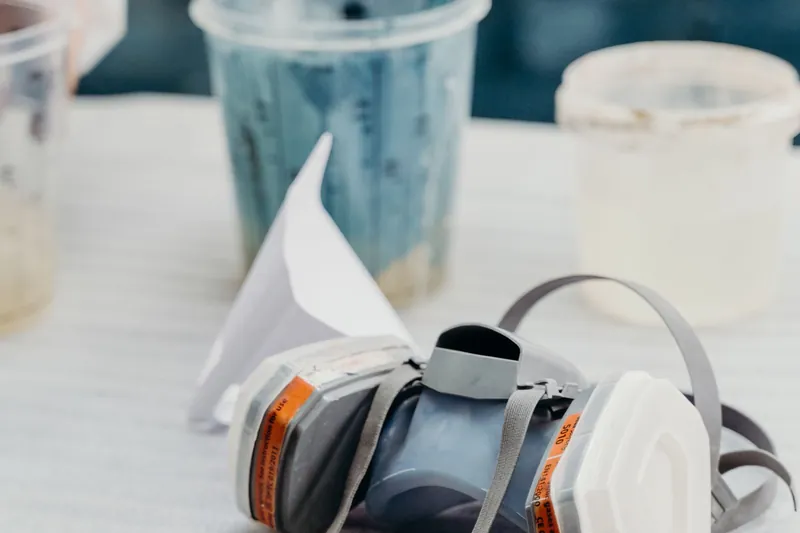
Cleanup of a meth lab covers residue testing and decontamination before the clearance process.
See meth lab cleanup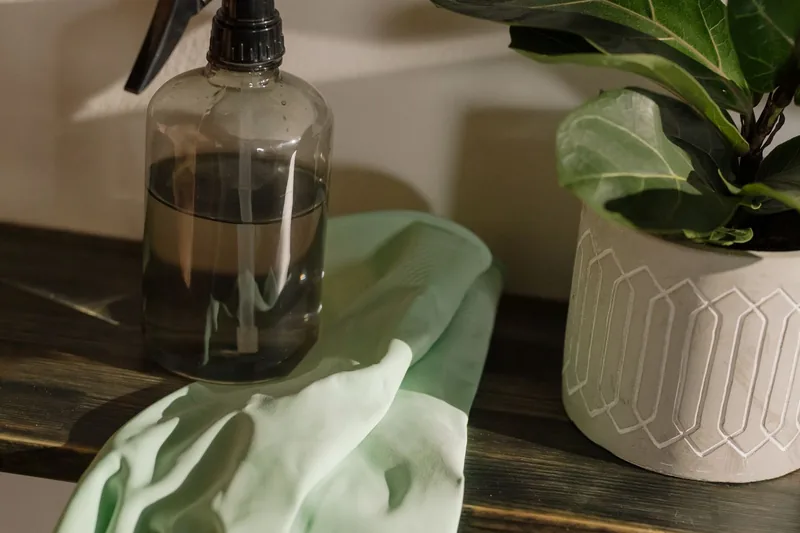
Fentanyl is decontaminated from affected surfaces, interior spaces and vehicles after exposure.
See fentanyl decontamination
Cleanup of a grow house addresses mold, chemicals and harm caused by indoor cultivation.
See marijuana grow house cleanup
Medical waste removal includes disposal through facilities approved for treatment.
See medical waste removal
Pickup and disposal of biohazard waste use containers that are sealed and labeled.
See biohazard waste disposal
Biohazard cleanup covers vehicles including cars, trucks, recreational vehicles and boats.
See vehicle biohazard cleanupThe available Fixr cost guide gives a hazardous chemical figure of $30 to $50 per barrel. That cost figure leaves out some parts of cleanup. The chemical type, amount, containment, packaging, transport, disposal fees and contaminated material removal all affect the total for your property.
Human waste should be treated as biological contamination rather than only as a toxic chemical. Dried material may send contaminated particles into the air when disturbed, and a large buildup can produce irritating smells and poor air quality. Do not mix cleaners on it. Avoid the area and ventilate only without risk, then seek immediate help for any trouble breathing.
Waste is first identified, kept separate from incompatible materials, placed in suitable sealed containers and labeled for its contents. The correct transport and disposal route depends on the waste type and applicable rules. Ask for available waste records so you know what left the property and where it was directed.
A biohazard cleanup team may also address chemicals when the specific substance, amount and protective equipment needs fit its capabilities. Ask a clear question that names both the chemical and type of property. Emergency response must address an ongoing release involving fire, fumes, chemical activity or illness before a cleanup service goes inside.
Examples of biological hazards include potentially infectious blood, bodily fluids and specific animal waste. The corrosive, poisonous, flammable or reactive qualities of a substance create chemical hazards. One event may involve both. Identification comes first because the hazard category affects waste disposal, packaging, cleaning products and protective gear.
Do not attempt to dissolve fecal matter with chemicals. Wear suitable protective equipment to collect the solid material before cleaning and disinfecting surfaces that are compatible. Do not combine bleach and ammonia or any additional cleaning products. Choose professional cleanup when waste covers a large area, has dried, includes chemicals or has penetrated wallboard and flooring.
Respectful, discreet chemical and toxic waste cleanup is available 24 hours a day, and crews arrive in unmarked vehicles.