Hotel, Airbnb and Rental Biohazard Cleanup
Rental property biohazard cleanup covers hotels and Airbnb units as well as rentals.
See hotel, airbnb and rental biohazard cleanupRemove bodily fluids, human waste, sharps, contaminated contents and persistent odor from a rental in Burr Ridge after legal access is confirmed. Ordinary debris and personal property are separated from biohazard cleanup.
Eviction biohazard cleanup is a controlled process that clears affected materials and biological contamination from a vacated rental. It then covers cleaning, disinfection when required and eliminating the odor source.
Some items, including boxes, furniture and everyday trash, may only call for standard hauling. Contaminated contents, spoiled material, needles, human waste and bodily fluids require a different safety plan, so the work is more than an ordinary cleanout. You receive a scope that separates normal debris from hazards while identifying the work area and protecting the space around it.
What lies below the clutter is important. Carpet pad and subfloor can absorb urine, and feces can affect belongings, fixtures and floors. Bedding, drawers or bags may conceal sharps. Before anything is removed, the cleaning service examines those routes and decides which hard surfaces may stay and which porous items cannot be thoroughly cleaned.
The cleanup crew arrives using unmarked vehicles. Careful planning of loading paths and work areas can limit avoidable notice from residents and nearby neighbors.
Protective gear, sharps boxes, controlled work zones and planned exit routes limit hazardous waste contact while protecting surrounding areas.
You receive a breakdown of documentation, property sorting, ordinary waste, contaminated materials, cleaning, disinfection, odor treatment and future repairs.
Keeping protected, stored and undecided belongings away from authorized waste lowers the chance that property is discarded too soon.
Eviction cleanup becomes necessary when ordinary cleaning and trash removal are not enough for the condition a departed tenant left behind. Typical situations include:
Urine or feces in a bedroom, bathroom or another living space may have spread to cabinets, flooring, the subfloor or wall edges.
A lasting odor can signal urine, waste or another substance absorbed by porous material, so its source needs treatment before restoration services begin.
Workers cannot safely hand-sort loose debris, furnishings, bedding or bags when broken glass and needles may be concealed among them.
A standard rental turnover is unsafe when floors and fixtures are covered with discarded food, bodily fluids, waste or affected belongings.
First verify your right to enter, keep others clear of possible contamination and document the property's condition. Take these steps while waiting for cleanup technicians:
Call (888) 351-0904No cost range approved for publication applies solely to eviction biohazard cleanup. General guides offer context only. One gives a typical national range of $3,000 to $5,000 and a residential average that runs from $1,800 through $4,500; a different guide places most residential jobs at $2,500 to $8,000. None of these figures is an eviction cleanup quote. Your affected rooms, contaminants, material types, sorting work and disposal needs determine the cost.
These ranges come from published national cost guides, not from a site visit. The price for your property is set after the on-site assessment, and you hear it before work starts.
Ask about cost: (888) 351-0904Insurance can pay a portion of eviction cleanup when its policy covers the event behind the damage. Treatment may differ for repairs, standard cleanout expenses, damage by a tenant and contamination that occurred over time.
The lease, local requirements, court orders and documented condition can affect responsibility. Keep payment questions separate from the immediate decision to restrict an unsafe area.
Find out what evidence the adjuster requires, which cause applies, when material can be removed and how your deductible and coverage limits affect the claim.
Retain dated photographs along with move-in records, required notices, receipts and details of the cleanup work. A housing professional in your area can explain required notices and allowable deposit deductions for your rental.
Notify the insurer before beginning non-emergency removal. Confirm whether biohazard cleanup, personal property, damaged construction materials, smell removal and restoration are within the policy.
The eviction biohazard cleaning process separates legal access, documentation, belongings, ordinary debris and contamination before sanitation begins. Every situation differs, but the entire process follows a controlled order:
You confirm authority to enter and identify any tenant property restrictions. During the first walkthrough, room conditions are documented while protected belongings remain undisturbed.
Trained technicians map visible waste, bodily fluids, sharps, odor, blocked paths and affected areas. The plan distinguishes standard debris removal from biohazard remediation.
Work zones and removal paths protect surrounding areas. Protective equipment matches the materials found, while common entrances and hallways remain unobstructed.
Property covered by storage or notification rules stays in its own area. After your approval, salvageable possessions are sorted apart from regular trash and contaminated materials.
Loose waste is removed in a planned order. Puncture-resistant containers receive sharps, while regulated materials are packaged for the disposal method required by applicable rules.
Cleaning comes before disinfecting exposed, solid surfaces. An EPA-registered disinfectant is applied for its full label contact time where disinfection is appropriate.
The odor search extends beneath carpeting and into floor padding, cabinet areas, wall edges and the subfloor. When the plan requires HEPA filtration or a specific treatment, those steps follow removal of the source.
You inspect the cleaned areas, removed materials and remaining repair needs. Painting, new flooring, pest treatment and other restoration services can then be scheduled separately.

Phone support stays available. A eviction and tenant move-out biohazard cleanup specialist answers, explains the steps and agrees a start time with you.
Entering a rental with contamination may expose you to hidden needles or other sharps, airborne particles, bodily fluids and footing hazards. The property needs assessment before routine cleaning crews or maintenance employees enter.
Urine and additional fluids may soak into drywall, upholstery, carpet, padding and bare wood. A simple wipe cannot clean affected material after residue has soaked into its pores.
Hands, shoes, equipment and surrounding surfaces may become contaminated by bodily fluids and human waste. Dry residue may fragment during sweeping, and wet residue may travel on footwear to unaffected rooms.
Broken glass, lancets and needles may be out of sight in bedding, clothing, bags or furniture drawers. Reaching blindly into piles or compressing bags can cause a puncture injury.
When a small blood spill is safe to clean yourself. You may use proper gloves and cleaner on a small fresh spill if the surface is sealed and non-porous. Begin by cleaning visible material, and follow with an EPA-registered disinfectant that remains for its labeled contact time. Consider professional cleanup if affected material is extensive, absorbed by porous items, obscured by clutter or mixed with needles.
Personal property choices must follow the applicable legal instructions, while contamination and material type decide whether cleaning is possible. An item covered by notice or storage requirements should never be thrown away too soon.

If workers may encounter material considered potentially infectious or human blood, OSHA's Bloodborne Pathogens Standard, 29 CFR 1910.1030, sets protective equipment, exposure control and training requirements.
The chosen EPA-registered disinfectant must suit the organism and material being treated. Keep the area visibly wet throughout the product label's stated contact period.
Illinois treats soaked materials from a biohazard scene as potentially infectious medical waste (PIMW). Illinois EPA rules control how it is packed, transported and treated, so it cannot go in household trash.
Do not move or throw away belongings left behind until you have followed local notice requirements, the lease, the court order and qualified local guidance.
No standard timeline applies to eviction biohazard cleaning. Clear entry, a limited area and completed property decisions may shorten the work. When materials must be removed or the rental has multiple affected rooms, stored possessions or contamination out of view, expect a longer schedule with separate stages.
The full eviction and tenant move-out biohazard cleanup guide covers what is cleaned or removed, odor and air quality work, and the rules that apply in your state.
Read the full eviction and tenant move-out biohazard cleanup guidePlanning for access, containment and cleanup can depend on local population, housing and entry conditions.
At 6.0% renter occupancy, most housing is owner occupied, which can reduce the number of parties involved in cleanup authorization.
Homes centered around a 1990 build year may have open layouts, which can allow odor to reach adjoining living areas.
In Burr Ridge, 851 older adults live alone, so relatives may need clear photos and records when managing cleanup from afar.
A single-family share of 82.5% makes private entrances useful for discreet equipment movement during a sensitive cleanup.
You can ask about cleanup in nearby communities and ZIP codes during the call.
Rental property biohazard cleanup covers hotels and Airbnb units as well as rentals.
See hotel, airbnb and rental biohazard cleanup
Cleanup addresses severe filth and squalor when a home has become unsafe to live in.
See filth and squalor cleanup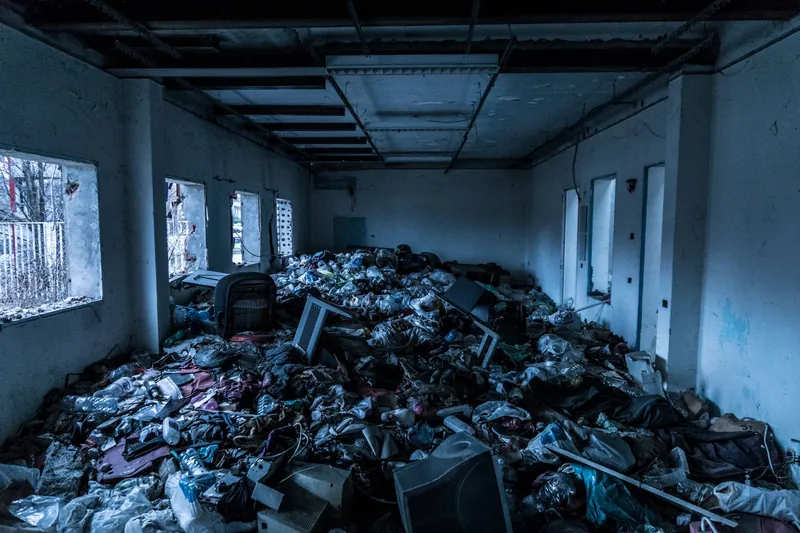
Deep cleaning, respectful sorting and removal are all part of hoarding cleanup.
See hoarding cleanup
Disinfection accompanies human feces cleanup in public restrooms, homes and rental properties.
See human feces cleanup
Floors, underlying subfloors and furniture receive urine cleanup with odor removal.
See urine cleanup
Cleanup removes sharps and needles from parks, rental sites, yards and encampments.
See needle and sharps cleanup
Cleanup removes drug residue, pipes and discarded needles from rentals and other properties.
See drug paraphernalia cleanup
Blood, body fluids and other infectious materials are removed, followed by property disinfection.
See biohazard cleanupThere is no approved published price range specifically for eviction biohazard cleanup. For general context, biohazard guides give $3,000 to $5,000 as the typical national range and $1,800 to $4,500 as the average residential range. Use these numbers as general context rather than an eviction cleaning quote. Actual scope depends on affected rooms, types of contamination, sorting, removed materials, waste disposal and odor treatment.
Items left behind by a tenant should not be assumed to be trash. Local requirements, lease terms or the court order could mandate notification, a storage period or delayed disposal. Verify that you can legally enter, then follow guidance from a qualified housing professional in your area. During cleanup, items with unresolved status can stay in a protected area until you are allowed to decide what happens next.
Often yes, if you identify where the smell begins. Carpet may allow urine to spread into underlying padding and subfloor or along walls and cabinetry. Fragrance and cleaning only the surface do not address contamination in concealed materials. Uncleanable affected materials might have to be taken out. Targeted air quality measures and cleaning of solid surfaces can follow source removal. A returning smell generally means the source should be inspected again.
Begin by confirming lawful access and any requirements involving personal property. Keep workers and occupants out, restrict entry to the rental and document what you can from a safe place. Never compress bags, sweep dried material or reach blindly through piled belongings. Report known bodily fluids, structural hazards, pest activity, strong fumes and sharps in advance, allowing the cleaning process and protective equipment to reflect actual conditions.
The work schedule varies with entry permission, the number of rooms, personal property choices, unseen contamination and how much material must leave. One clear area has a shorter scope than a whole rental with blocked rooms. Restoration, cleaning, biohazard removal and property sorting may each occur during a different project phase. After the assessment, request distinct schedules for cleanup and subsequent repair work.
Do not use your hands to collect needles, recap them or place them loosely inside a trash bag. The cleanup plan uses tools and puncture-resistant sharps containers suited to the situation. Bags, bedding, drawers and furniture are checked carefully because sharps can be hidden. The disposal method follows location-specific rules, including relevant state waste guidance for the rental.
You can request respectful, discreet eviction and tenant move-out biohazard cleanup 24 hours a day, and crews use unmarked vehicles.