
Biohazard Cleanup
Cleanup removes infectious material, including blood and body fluids, and disinfects the property.
See biohazard cleanupProtect people first by restricting the affected area and seeking guidance before anything contaminated is touched. The decontamination work takes out unsafe material, cleans what is salvageable and applies a suitable disinfectant. Addressing disposal, lingering odor and indoor air conditions then helps you understand the next step.

Biohazard remediation means safely controlling and removing biological contamination. The affected space is then cleaned and disinfected, waste is disposed of, and the area is checked with care before people return to normal use.
Events that may require the work include an unattended death, blood or other bodily fluid exposure, sewage backup, a trauma scene, serious hoarding conditions and infectious illness. Unlike ordinary cleaning of visible dirt, biological remediation tracks possible contamination into porous materials and narrow gaps, and into surrounding spaces through airflow, tools or footwear.
For a complete cleanup, clean rooms are kept separate from the work zone. Wearing protective equipment, trained technicians take out hazardous items that cannot be disinfected. They remove visible soil, then keep an EPA-registered disinfectant on the surface for its full labeled contact time. Every stage should be explained by the biohazard remediation company. Work may also cover sorting personal belongings, filtering air, removing odor, packaging hazardous waste and preparing records for the property owner or insurance company.

You can go over what will be cleaned, what may need removal, which areas are included and which conditions could change the scope before work begins.
Your comparison of biohazard remediation companies should include whether trained professionals contain the affected area, arrive in unmarked vehicles and reduce unnecessary notice.
Photos, item lists, scope notes and disposal records can be organized for your adjuster, landlord or property file so you can move forward with restoration services.
Before deciding what to remove, crews can set aside photographs, papers, mementos and other meaningful personal property for a conversation with you.
Biological material can create a health concern that calls for an emergency response cleanup service instead of routine cleaning. Because every situation needs a suitable cleaning approach, there is no single service for all cases. Common situations include:
When fluid reaches carpet pad, grout, unfinished wood, wall openings or furniture joints, blood cleanup may cover more than the visible stain.
Sewage qualifies as Category 3 black water. Extraction, porous material removal, surface cleaning, disinfection and drying may all be part of cleanup.
Biohazard precautions may be necessary during hoarding cleanup when bodily fluids, sewage, spoiled items, sharps or human or animal waste are present.
An unattended death can affect finishes, contents and indoor air, so the work may combine removal, disinfection and odor treatment.
Stopping traffic into the affected area is the safest place to begin. You can lower the chance of exposure and keep useful cleanup details intact by taking these simple steps:
Call (888) 351-0904According to published biohazard cleanup guides, $3,000 to $5,000 is the typical national range. Their reported residential average is $1,800 to $4,500. A different company pricing guide lists amounts from $1,000 to $15,000. These amounts are for planning and do not constitute a quote. Price varies with the contaminant, the space and surfaces involved, waste requirements and any testing after the cleaning work.
These ranges come from published national cost guides, not from a site visit. After an on-site assessment, the price for your property is determined and shared with you before cleanup begins.
Ask about cost: (888) 351-0904Insurance may pay for biohazard cleanup if your policy includes the event's cause. The specific coverage, required documentation and deductible depend on both the policy and what happened.
Who bears responsibility may vary based on the cause, where contamination occurred and what the lease says. Property owners should photograph and document conditions, then examine insurance terms before they authorize non-urgent restoration.
Victims of violent crime can ask the Illinois Attorney General's Crime Victim Services Division whether cleanup costs can be included in a compensation claim. Insurance is usually checked first.
Check with your adjuster about required invoices, photos, property lists, scope documentation and waste paperwork. Keep your claim number and contact details together.
Tell the insurance company what happened, when it was discovered and which areas are affected. Check whether the insurer separates mitigation and material removal from cleanup and restoration in the claim.
Assessment comes first, followed by removal at the source, detailed cleaning and final inspection. Because contaminants, surfaces and property conditions differ, every biohazard cleanup needs an individual plan. The team should describe all stages before cleanup technicians enter the affected work zone.
After evaluating the source, affected areas, movement paths, absorbent materials and risks, technicians discuss the planned cleanup with you.
Access is limited after the affected zone is divided from clean spaces, and technicians use personal protective equipment based on known risks.
Contaminated carpet, padding, drywall, insulation or contents that cannot be fully cleaned are carefully removed, packaged and labeled.
Workers first clean away visible matter so the disinfectant can touch the surface directly and perform according to its label.
Salvageable surfaces are treated with an EPA-registered disinfectant that is suitable for the material and left wet for the listed contact time.
Removing the source happens first. Afterward, HEPA filtration and additional odor techniques may reduce lingering smells and airborne particles within the contained area.
Packaged hazardous waste follows applicable transport and disposal rules, while photos and scope records can support property and insurance files.
The final inspection can include a discussion of optional verification methods and a list of wallboard, flooring or finishes taken out for later repairs.

You can call anytime. You speak with a biohazard decontamination specialist who outlines the process and schedules a start time with you.
Serious health risks can result from biological contamination entering the nose, mouth or eyes, or contacting skin that is broken. Its complete path is not always visible in the affected area.
Fluids may soak beneath the face of upholstery, carpet, padding, drywall and bare wood. Material caught underneath remains after the top is wiped.
Blood can contain bloodborne pathogens. Hepatitis B can live on surfaces for at least seven days, the CDC says, so you should still treat dried matter carefully.
Entering a trauma scene or a loved one's room can be deeply upsetting. You may leave the area while cleanup workers record belongings and seek your approval before removing personal property.
When a small blood spill is safe to clean yourself. Only consider cleaning a limited amount from a firm, non-porous surface when the substance is known, proper gloves are available and you can follow the entire EPA-registered disinfectant label. Stay away and request professional cleanup guidance when you cannot identify the source or affected area, a sharp is involved or liquid has entered porous material.
Materials stay in place only when they are safely reachable and meet the necessary cleaning and disinfection conditions. If contamination has soaked into an item or access is unsafe, that material is removed.

A biohazard cleanup schedule cannot be determined only by naming the event. Timing is set after assessment based on the affected space, types of material, amount of waste, access conditions, drying requirements and any verification needed.
| Scene | Typical time on site |
|---|---|
| Contained surface contamination | Often takes less time if the source is identified and porous materials remain unaffected |
| Porous materials affecting at least one room | The schedule grows to allow for work-zone isolation, selective material removal, thorough cleaning and waste containment |
| Widespread or hidden contamination | The timeline increases if cleanup reaches contents, flooring or wall cavities, or includes sewage, odor treatment or restoration |
Odor control starts by finding and removing contaminated material. Fragrance and surface spray can cover a smell for a short time, but they do not remove residue below carpet, inside wall gaps or within absorbent contents. Hidden source material must be addressed before air treatment can make a lasting difference.
HEPA air scrubbers may capture airborne particles within containment after cleaning and source removal are complete. Remaining conditions might call for other odor methods, although none can take the place of cleaning and disinfection. The assessment needs to include nearby rooms and HVAC registers if there is a chance that particles or odors moved past the original space.

A biohazard cleanup schedule cannot be determined only by naming the event. Timing is set after assessment based on the affected space, types of material, amount of waste, access conditions, drying requirements and any verification needed.
The full biohazard decontamination guide covers what is cleaned or removed, odor and air quality work, and the rules that apply in Illinois and Cook County.
Read the full biohazard decontamination guideLocal housing, population and access details can shape containment, access and cleanup planning.
The local mix includes 42.0% renter occupied homes, making it useful to establish who controls repairs before cleanup begins.
A 1970 median build year points to varied interior finishes, so each affected material needs its own cleaning or removal decision.
In Burnham, 161 older adults live alone, making privacy important when relatives, landlords, or building staff become involved.
With 57.7% single-family housing, cleanup plans should fit both private homes and units with common halls, walls, or ventilation.
You can ask about cleanup in nearby communities and ZIP codes during the call.
Cleanup removes infectious material, including blood and body fluids, and disinfects the property.
See biohazard cleanup
Biological remediation that removes contamination and returns a space to safe use.
See biohazard remediation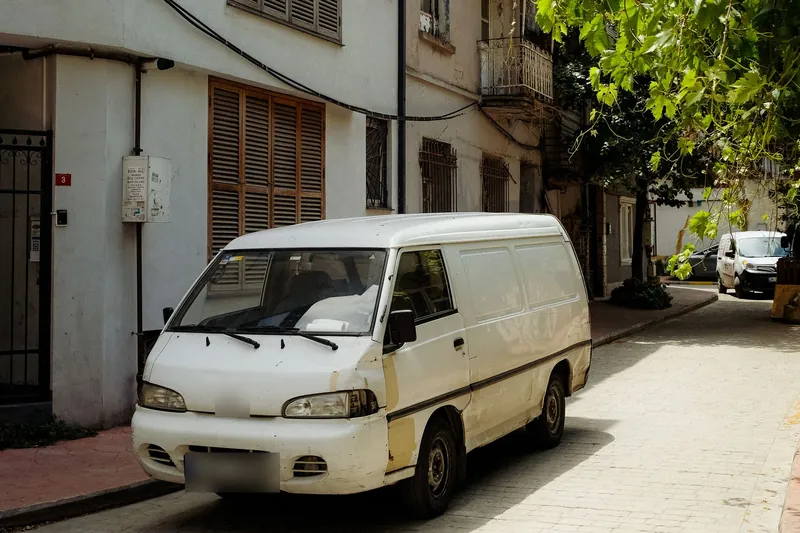
Once a scene is released, biohazard cleanup can start at any hour.
See emergency 24/7 biohazard cleanup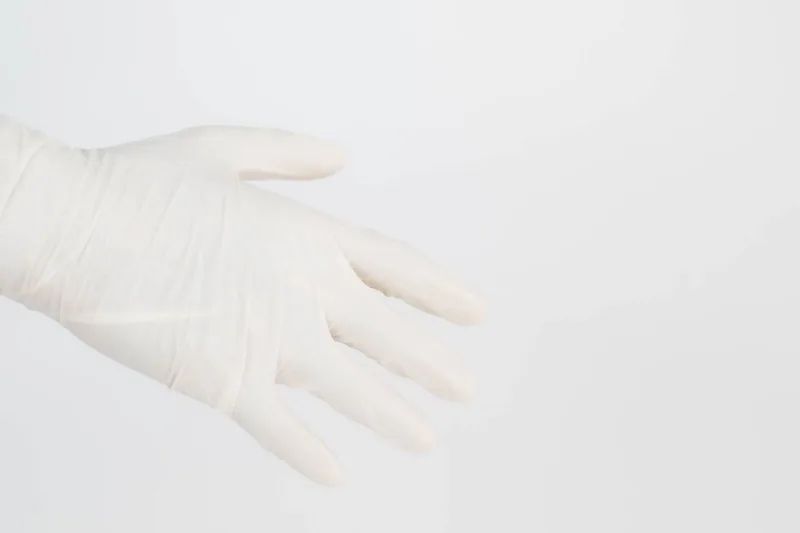
Cleanup controls the risk of blood exposure involving HIV, hepatitis C and hepatitis B.
See bloodborne pathogen cleanup
Across care settings, commercial spaces and homes, bodily fluid cleanup includes disinfection.
See bodily fluid cleanup
Infectious disease disinfection with EPA-registered products and full surface coverage.
See infectious disease disinfection
Biohazard waste is collected in labeled, sealed containers and taken for disposal.
See biohazard waste disposal
Raw sewage cleanup treats Category 3 black water and includes both drying and disinfection.
See raw sewage cleanupFirst, prevent anyone from entering the affected area and do not touch the material. Do not sweep, vacuum or move contaminated contents. Next, planned controls can cover containment, protective equipment, source removal, surface cleaning, disinfection as labeled and appropriate waste disposal. The controls should match the material and the way it may have spread.
It depends on the location and extent of the affected area. Do not enter any work area under containment. Other spaces may stay separated when one small room is isolated, although sewage, odors, shared ventilation or contamination along travel routes may mean you need to leave. Follow the site-specific safety instructions you receive.
Cleanup removes contamination and disinfects materials that can remain. Restoration comes afterward and may replace drywall, flooring, insulation, paint or other finishes removed to reach the contamination. You should ask if the scope covers remediation plus restoration, or if a separate contractor will restore the cleaned area afterward.
A biological hazard is material that may expose people to harmful organisms or their byproducts. In a property, that can include blood, certain bodily fluids, sewage, human or animal waste and materials contaminated during some infectious disease events. The actual risk depends on the source, route of exposure and surfaces involved.
No. Tear gas and pepper spray are chemical irritants, while biohazard remediation addresses biological contamination such as blood, bodily fluids or sewage. A site may contain chemical irritants and biohazards following law enforcement action, but you need contaminant-specific protective equipment, cleaning agents, waste management and ventilation rather than a single approach.
It may, depending on the cause of the contamination and the terms of your policy. Quickly notify your insurance company, describe what occurred and check whether your coverage applies to mitigation, material removal, cleaning and restoration. You should also confirm the required images, records and approvals. Coverage caps and the amount of your deductible can influence your cost.
Respectful, discreet biohazard decontamination is available 24 hours a day, and crews arrive in unmarked vehicles.