
Commercial and Industrial Biohazard Cleanup
Commercial and industrial biohazard cleanup with minimal downtime.
See commercial and industrial biohazard cleanupGet blood, bodily fluids, sharps and contaminated materials removed from an office, store, warehouse or shared workplace in Bryn Mawr West. The affected space stays controlled while cleanable surfaces are treated and unsafe porous materials are removed.
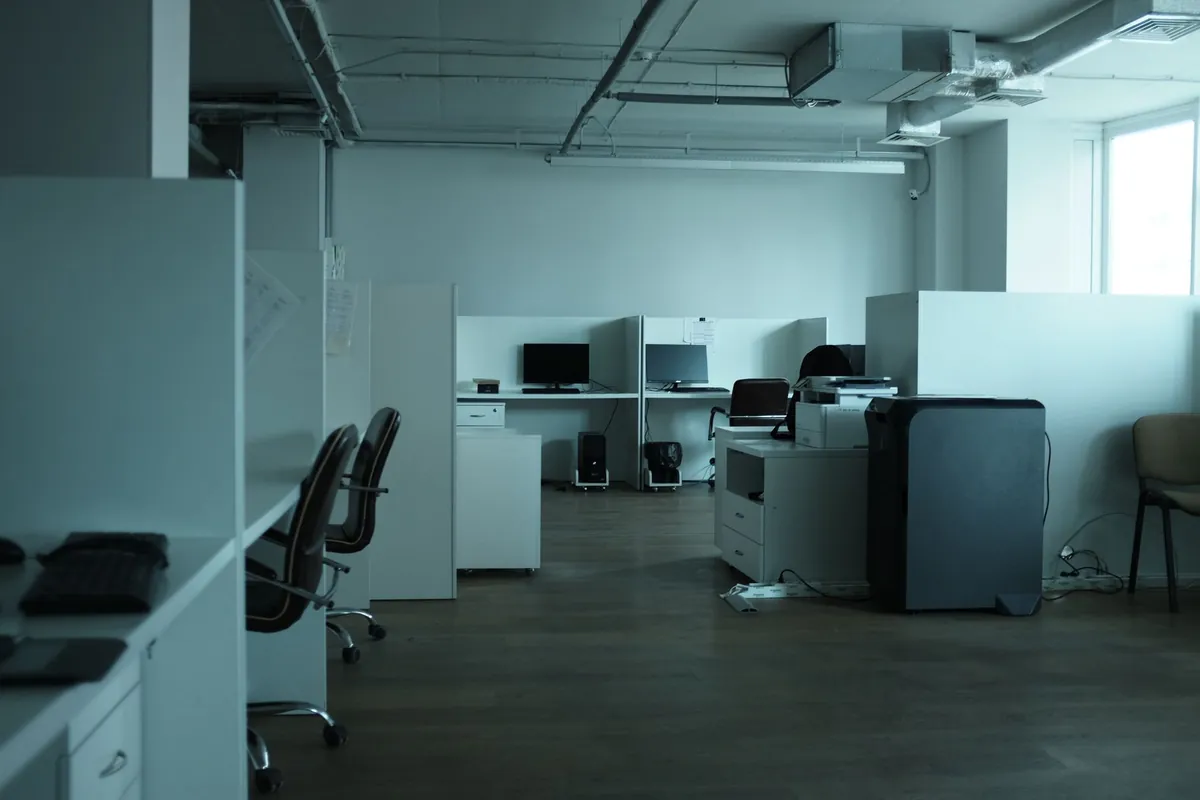
Office and workplace biohazard cleanup is the controlled removal, cleaning and disinfection of blood, bodily fluids, sharps and contaminated materials after an injury, illness, accident or other exposure at work.
Ordinary janitorial service does not cover all of this work. First, the affected space is identified and foot traffic is restricted. Items that cannot be disinfected are taken out. Remaining surfaces receive a suitable product for its entire contact time. Waste is prepared for legal disposal, followed by a check before the area goes back into use.
Workplace biohazards can reach more than the spot where an event happened. Shoes, cart wheels or cleaning tools may carry contamination into surrounding areas. A careful assessment follows those paths and separates visible soil from personal property, furniture and building materials that may need closer inspection.
Photos, scope details and waste documents are organized for the insurance company, property owners or facility records.
Clear details help you select the right team. You receive an explanation in advance of the cleaning scope, possible removals and spaces that cannot yet reopen.
Unmarked vehicles are used by crews, and screening can hide the affected area from customers, nearby tenants and employees.
If safety permits, the team isolates files, electronic devices and personal property, then talks through the options with you before deciding. Clear decisions can help you move forward with less uncertainty.
Office biohazard cleaning is appropriate when ordinary cleaning would expose staff to bodily fluids, sharps or contaminated materials. Common workplace situations include:
Affected rooms need isolation and cleaning while a property manager keeps the building's other areas apart.
A restroom, parking area, employee zone or loading space contains abandoned needles or sharps.
The facility's response plan calls for specific shared spaces and touchpoints to be cleaned after a known exposure or illness.
An accident leaves blood or other fluids on machinery, warehouse flooring, stairs or porous building materials.
Protect people before thinking about the room or the cleanup schedule. Follow your workplace emergency response plan and take these practical first steps:
Call (888) 351-0904No dependable published range is available only for workplace and office biohazard cleanup. Typical figures in general biohazard cleanup guides are $1,800 to $4,500 and $3,000 to $5,000 for each job. These are comparison figures rather than a quote for a workplace. Costs may be very different for a minor hard-surface event and for contamination involving several rooms, equipment, walls or carpet. Assessing the work itself determines the final price.
These ranges come from published national cost guides, not from a site visit. The price for your property is set after the on-site assessment, and you hear it before work starts.
Ask about cost: (888) 351-0904Insurance may cover some workplace biohazard cleanup, but the answer depends on the cause of the incident, the commercial policy, the lease and any exclusions or deductibles.
A claim may be supported by photographs, waste documents and a detailed scope. Ask whether cleanup, restoration services and repairs are treated as separate parts of the claim. Ask what the policy needs before damaged materials are discarded when it is safe to wait.
Your lease might allocate cleanup duties differently depending on whether the location is a lobby, shared restroom, parking area or private suite. Contact the property manager in advance when the job involves access or a building system.
To determine whether property coverage applies, insurance companies may request information about the cause and resulting contamination. Keep a record of the claim number along with the adjuster's document requests.
Property cleanup and an employee's medical needs are distinct matters. Use the workplace process for injuries, and check with the proper insurer about reporting each separate part.
Office biohazard cleanup is completed in a controlled sequence. At each stage, affected spaces remain separate while the source is removed. Records show what was cleaned and what came out before reopening.
Cleanup technicians assess the event location, potential tracking paths, surfaces, personal property and any spaces that cannot reopen yet.
Entry is limited with barriers and caution signs. Exposure-specific protective gear is part of how the right team approaches the work.
Before cleaning begins, disposable items and visible material are removed so they are not spread across office areas. Contamination that is left behind can transfer to surrounding surfaces.
When contamination cannot be reached and fully treated, cleanup involves removing drywall, unfinished wood, carpet padding, ceiling tiles or upholstery.
During biohazard cleaning services, hard surfaces are washed first and treated with an EPA-registered disinfectant for its complete labeled contact time.
Start by removing the source. When soft materials or indoor air were affected by the event, suitable odor treatment and air scrubbers may be used afterward.
Sharps and additional regulated waste go into the proper sealed containers and are transported according to state requirements.
Normal use resumes only after every step has been reviewed. The entire process is recorded in photos and waste documents, with repair needs identified.

Call at any time. A specialist in office and workplace biohazard cleanup takes your call, walks you through the process and confirms when work can start.
Biological hazards in the workplace can create serious health risks when people touch contaminated surfaces, suffer a sharps injury or carry material beyond the original area.
Carpet can let liquid reach the padding, while baseboard seams and neighboring flooring can also become affected. A surface wipe can miss contamination beyond the visible stain.
Needles and sharp fragments can puncture skin. Puncture-resistant collection is necessary for them, while remaining hazardous waste must be packaged and discarded suitably.
An injury or traumatic incident may be difficult for coworkers. Keeping entry limited supports privacy while preventing staff from seeing or entering the impacted space.
When a small blood spill is safe to clean yourself. Only a designated employee may manage the smallest spill on a non-porous, hard surface, provided the work is covered by protective equipment, employee training and the workplace plan. Never have untrained employees clean spills involving upholstery, carpeting, raw wood, wall cavities or spaces containing sharps.
A small cleanup on a hard surface may take several hours, but affected furniture, carpet, walls or multiple rooms can extend the work to one or more days. Full reopening may take longer when medical care, access arrangements, repairs or law enforcement release add time.
| Scene | Typical time on site |
|---|---|
| Small hard-surface workplace area | Frequently several hours once the area can be entered safely |
| A single office space containing porous surfaces | Often one to two workdays |
| Several areas or structural removal | Several days in many cases, not including repairs |
Source location and removal must come first when addressing office odors. Fragrance and topical spray cannot fix fluid absorbed by furniture, hidden below carpet or sitting behind baseboards. Before air treatment begins, contaminated material needs cleaning or removal.
After source removal, HEPA air scrubbers may help capture airborne particles. Other treatment may be chosen for the specific odor and room. Vent covers and nearby air returns should be checked when odor traveled beyond the original space. The entire process should protect occupied parts of the building from the work area.

Exposure control, worker training, protective equipment and other safeguards are required under federal standard 29 CFR 1910.1030 when blood or certain body fluids may be present.
For the intended use, select an EPA-registered disinfectant and leave it visibly wet for all of the label's contact time.
Illinois treats soaked materials from a biohazard scene as potentially infectious medical waste (PIMW). Illinois EPA rules control how it is packed, transported and treated, so it cannot go in household trash.
In Cook County, the Cook County Medical Examiner's Office investigates sudden and unexplained deaths. Cleanup starts after police or the medical examiner release the scene.
A small cleanup on a hard surface may take several hours, but affected furniture, carpet, walls or multiple rooms can extend the work to one or more days. Full reopening may take longer when medical care, access arrangements, repairs or law enforcement release add time.
The full office and workplace biohazard cleanup guide covers what is cleaned or removed, odor and air quality work, and the rules that apply in your state.
Read the full office and workplace biohazard cleanup guide
Local housing, population and access details can shape containment, access and cleanup planning.
A listed distance of 0.5 miles to Jackson Park Hospital gives a practical medical reference when someone has contacted blood or waste.
Two nearby care references are Jackson Park Hospital, listed closest at 0.5 miles, and The University Of Chicago Medical Center, while cleanup addresses the property itself.
The location sits near South Shore, Bryn Mawr East, and Essex, making local landmarks helpful when a property entrance is hard to find.
A cleanup plan for this neighborhood should account for adjacent homes or units when setting odor control and containment boundaries.
Ask on the call about cleanup options for neighboring communities and ZIP codes.
Commercial and industrial biohazard cleanup with minimal downtime.
See commercial and industrial biohazard cleanup
Blood spill cleanup removes spills of any size, including fresh and dried blood.
See blood spill cleanup
Cleanup controls the risk of blood exposure involving HIV, hepatitis C and hepatitis B.
See bloodborne pathogen cleanup
Across care settings, commercial spaces and homes, bodily fluid cleanup includes disinfection.
See bodily fluid cleanup
All surfaces receive full coverage with EPA-registered products for infectious disease disinfection.
See infectious disease disinfection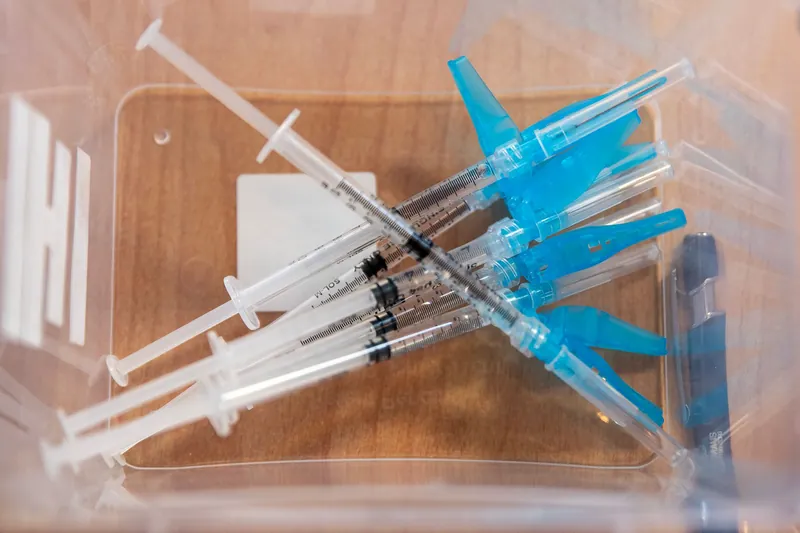
Yards, encampments, parks and rental properties receive needle and sharps cleanup.
See needle and sharps cleanup
Biohazard waste pickup and disposal in sealed, labeled containers.
See biohazard waste disposal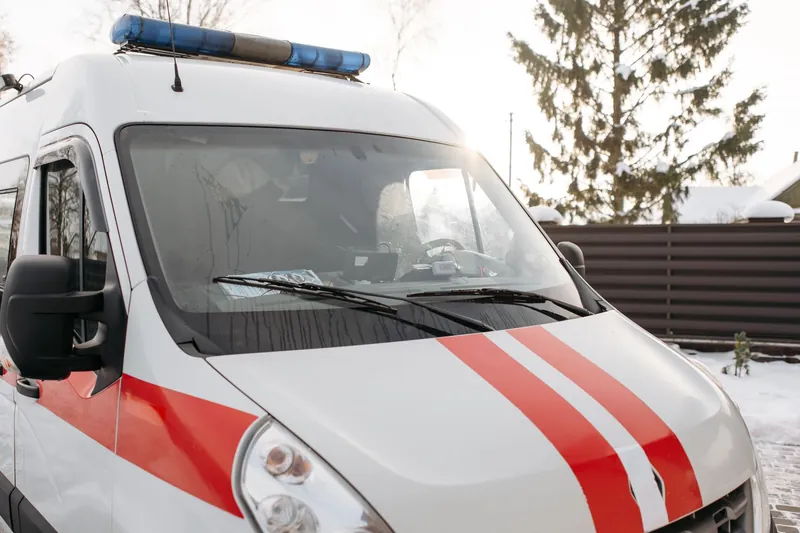
Accident and injury scene cleanup in homes, workplaces and public spaces.
See accident and injury scene cleanupEmployees should stay out of the controlled work area. A manager or authorized contact can arrange access, explain the event and approve the scope without keeping other staff nearby. Keeping other work areas open depends on how they are contained, ventilated and accessed, as well as the company's safety procedures.
The first action is keeping people out. Workers use suitable protective equipment, clear visible material, wash treatable surfaces and apply an EPA-registered disinfectant throughout its labeled contact time. Soaked porous materials may need removal. Waste is packaged and discarded under applicable rules.
Coverage may depend on what caused the incident, policy terms for commercial property, lease duties, exclusions and your deductible. Notify the insurer promptly, then find out if repairs, affected contents and cleanup fall into separate categories. Save requested claim materials such as invoices, photos, scope information and waste documents.
Help the injured person and call emergency services if needed. Keep others away, follow the workplace exposure plan and do not ask an untrained employee to clean the spill. When police or an investigator has control, do not enter before the area is released. Report the incident through the required workplace process.
Examples include materials affected during accidents or illness, needles left behind, blood following injury, and vomit or human waste in shared spaces. The risk is not limited to what is visible. Contamination may also reach tools, padding under carpet, furniture seams or surrounding walking routes.
Everyday soil may be suitable for routine cleaning, but biohazards call for exposure planning, correct protective equipment and disinfectant use, plus lawful waste disposal. Confirm the cleaner's training and scope details. Ordinary janitorial products should not be assumed suitable for sharps, blood or bodily fluids absorbed into materials.
Discreet, respectful office and workplace biohazard cleanup, 24 hours a day, with crews in unmarked vehicles.