
Blood Cleanup
Blood cleanup clears blood from furniture, walls, hard floors and carpet, followed by safe disposal.
See blood cleanupGet blood and bodily fluids removed from carpet, rugs and upholstered furniture in Belmont Cragin. Each layer is checked, and affected material is cleaned, disinfected or removed according to its condition.

Cleaning biohazards from carpet and upholstery means clearing biological contamination from these soft materials and their underlying layers. Safe-to-treat material is then disinfected, while anything that cannot be treated safely is taken out.
Dirt removal and better appearance are the aims of ordinary carpet cleaning. A biohazard cleanup instead examines every affected part, from surface fibers to backing, pad, tack strips and subfloor, plus upholstery seams and cushion foam. Because urine, blood, vomit, feces and other bodily fluids may penetrate the visible surface, technicians inspect hidden layers to decide which materials can remain.
Some recent, limited contamination may be cleanable when it remains accessible and the surface can tolerate the required treatment. Deeply soaked padding, foam or unfinished wood often cannot be fully reached with a cleaning machine. Those contaminated materials are removed, packaged and sent for waste disposal under the rules that apply to the job.
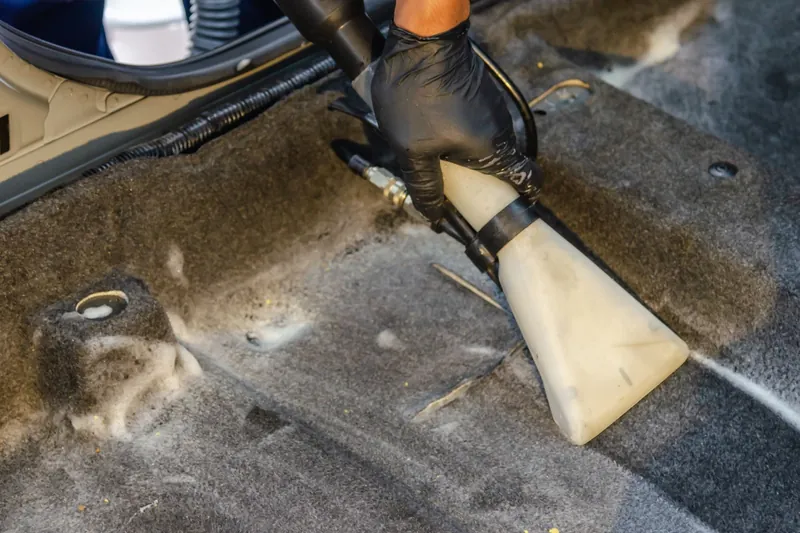
Images, an impacted-item inventory and records covering the entire process may assist your later conversations with restoration services and insurance companies.
The discussion should include any keepsakes or useful possessions that are affected. The right team should explain cleaning limitations before a keepsake rug or furnishing is treated as hazardous waste.
You can reach someone during the day or at night, and cleanup crews arrive in unmarked vehicles. You can request details about keeping the access point and work route discreet.
You should hear which layers were inspected, what can be cleaned and why any pad, foam or flooring needs removal before work moves forward.
When ordinary cleaning cannot safely address biological material on upholstery, carpet or another soft surface, biohazard carpet cleaning may be necessary. Situations commonly include:
An area rug may need controlled cleaning, treatment of the floor beneath it or removal if contamination has reached layers that cannot be disinfected.
Blood from a fall, cut or medical event may soak through carpet into padding and spread along the subfloor. A stain's visible edges may not show the full affected area.
Blood may pass through upholstery fabric and reach seams, batting, foam or the furniture frame. Inspection shows whether the affected parts are accessible for treatment.
Loved ones can avoid difficult work through professional cleanup, while restricted foot traffic helps keep contamination from surrounding areas.
Ask everyone to stay clear of the impacted carpet or furnishing, and do not move the material. While you arrange professional cleanup, take these initial steps to limit spread:
Call (888) 351-0904There is no carpet-specific range in the approved cost data. For context, published general biohazard cleanup ranges include $1,800 to $4,500 for residential work, $3,000 to $5,000 as a typical national range and $2,500 to $8,000 for most residential projects. A published full span is $1,500 to $25,000. These are comparison figures, not carpet cleaning prices. Your cost depends on the inspection and affected layers.
These ranges come from published national cost guides, not from a site visit. After an on-site assessment, the price for your property is determined and shared with you before cleanup begins.
Ask about cost: (888) 351-0904Homeowners, renters, commercial or auto insurance may cover biohazard carpet and upholstery work when the event that caused the contamination is covered, but the policy terms, deductible and circumstances control the claim.
Your adjuster can explain what item logs, images and cleanup documentation must be submitted. Keep the claim number and avoid discarding affected personal property until instructions are clear, unless leaving it creates an immediate safety concern.
A property owner or manager may arrange the cleanup service in a rental. Who must pay is determined by the event's cause, insurance coverage and terms in the lease.
When speaking with the insurance company, describe what happened and which furnishings, rugs and carpeting were impacted. Your questions should cover cleaning, removal of affected items and subsequent restoration for floors or furnishings.
Victims of violent crime can ask the Illinois Attorney General's Crime Victim Services Division whether cleanup costs can be included in a compensation claim. Insurance is usually checked first.
Technicians work in a controlled sequence to locate contamination that is out of sight, protect nearby spaces and keep unsuitable material from being treated instead of removed. The kind of fluid, how far it penetrated and the soft surface's construction guide each stage.
Carpet padding, backing and borders are inspected together with surrounding hard surfaces and visible contamination. Furniture is checked at its seams and beneath removable cushions prior to setting the scope.
A separation is established between clean space and the work area. Appropriate protective gear is used, and a controlled path is planned for equipment and sealed waste.
Visible debris and solid material are taken away while controlling particles in the air and limiting splashing. Disinfectant application follows the initial cleaning step.
A section of carpet may be lifted as needed to examine its backing, the pad, tack strips and floor underneath. The same depth check is made inside accessible upholstery layers.
Treatment for cleanable items is selected according to the fiber type and contamination. Deeply affected carpet, pad, foam or framing is removed when full treatment is not possible.
Disinfectant use is limited to products with EPA registration and label instructions that match the target organism and surface. Required wet contact time is followed.
Any odor left after contaminated matter is gone is tracked back to its origin. Removal and close cleaning may use HEPA filters to manage airborne particles.
The inspection includes treated materials, surrounding areas and the path used during work. You receive a record of what was cleaned, what was removed and what restoration work remains.

You can call anytime. A biohazard carpet and upholstery cleaning specialist answers, explains the steps and agrees a start time with you.
Soft surfaces can hold contamination below the fibers, so a carpet or chair that looks clean may still contain bodily fluids and affected material.
Affected carpet, pad or upholstery may need to be packaged securely and discarded according to relevant rules if disinfection is not possible. Do not pull unsecured material across unaffected rooms.
A rug, room or chair linked to an injury or loss can make cleanup emotionally challenging. Trained professionals can complete the work while you focus on yourself and your family.
After crossing the carpet backing, fluid may reach padding, tack strips, flooring seams and unfinished subfloor. Surface shampooing can leave contaminated materials below.
When a small blood spill is safe to clean yourself. You may be able to address a few drops on washable, removable fabric when there is no sharp item and its care directions permit safe treatment. Put on gloves and observe applicable public health instructions. Professional biohazard cleanup is appropriate when the full boundary is unclear or liquid has reached installed carpet, upholstery foam, padding or unfinished floor material.
For a soft surface to remain, its material must tolerate the entire cleaning and disinfection treatment, and the affected area must be reachable. Saturated layers that are deeply affected are taken out.

Timing varies with the amount of soft material involved, the distance fluid traveled into it and any need to remove padding, furniture or carpet. Only an inspection can establish a work schedule you can rely on.
| Scene | Typical time on site |
|---|---|
| One surface with minor contamination that can be reached | One work session may be enough for assessment, cleaning and the treatment required |
| One piece of upholstered furniture or carpet and padding | Layer inspection and material decisions can extend the work |
| Several pieces of furniture, spaces or affected subfloor sections | Several work sessions may be needed for removal and biohazard remediation, with restoration afterward |
Effective odor work begins with the layers out of sight. Shampoo on the surface or added fragrance cannot address contamination in carpet pad and tack strips, foam inside upholstery or an unfinished subfloor. The source is located and then removed or cleaned before separate equipment for deodorizing is considered.
Particle control during disturbance and removal of affected materials may include HEPA air filtration. The cleanup team inspects surfaces close by and checks the air's path after disinfecting and eliminating the source. Ask about the equipment being operated, whether pets and occupants need to leave the space, and the conditions that allow the room to return to use.

Timing varies with the amount of soft material involved, the distance fluid traveled into it and any need to remove padding, furniture or carpet. Only an inspection can establish a work schedule you can rely on.
The full biohazard carpet and upholstery cleaning guide covers what is cleaned or removed, odor and air quality work, and the rules that apply in your state.
Read the full biohazard carpet and upholstery cleaning guideLocal housing, population and access details can shape containment, access and cleanup planning.
If direct exposure occurs, the closest listed emergency option is Community First Medical Center, about 2.2 miles away, not the cleanup site.
Local records list Community First Medical Center nearest at 2.2 miles and also name Loretto Hospital, giving two references after an exposure.
Belmont Cragin is near Hanson Park, Belmont Park, and Cragin, which can matter when family members are arriving from surrounding communities.
Neighborhood level directions help narrow the location, but crews still need entrance details before bringing containment and cleaning equipment inside.
You can ask about cleanup in nearby communities and ZIP codes during the call.
Blood cleanup clears blood from furniture, walls, hard floors and carpet, followed by safe disposal.
See blood cleanup
Large or small, every fresh or dried blood spill is covered by blood spill cleanup.
See blood spill cleanup
Across care settings, commercial spaces and homes, bodily fluid cleanup includes disinfection.
See bodily fluid cleanup
Disinfection accompanies human feces cleanup in public restrooms, homes and rental properties.
See human feces cleanup
Cleanup and disinfection remove vomit and prevent norovirus and other germs from spreading.
See vomit cleanup
A contaminated space is restored to safe use through biological remediation and contaminant removal.
See biohazard remediation
Air scrubbers, hydroxyl and ozone treatment support death odor removal at its source.
See death odor removalBlood at the fiber level can sometimes be treated, although complete access becomes difficult once it penetrates the carpet pad. Carpet backing, perimeter areas, padding and the floor below are checked by cleanup technicians. Rather than extracting a surface stain over and over, removal may be needed for contaminated pad and additional porous materials.
It can remove odor when the complete source is found and addressed. If bodily fluids stay behind in pad, foam upholstery, tack strips or subfloor material, the odor may not go away. Cleaning, disinfection and suitable odor or air quality work take place only after the source has been removed. Adding scent by itself will not address the source.
Occasionally. When contamination can be accessed, covers a limited area and is compatible with required treatment methods, the carpet might be cleanable. One or several layers might have to come out when liquid has entered the carpet backing, pad, tack strip or unsealed subfloor. The choice cannot be made dependably without an inspection.
Your deductible, exclusions, policy wording and the source of contamination determine whether coverage applies. Notify your insurer promptly, then ask directly about biohazard cleanup, removing affected carpet or furniture, and restoring the property. Your files should include the claim number, pictures, affected-item log and cleaning documentation required by the insurance company.
Dried blood should still be treated as potentially infectious. According to the CDC, hepatitis B can remain viable on a surface for at least seven days. Do not brush, vacuum or walk across the area. Those actions may spread affected material and make the cleanup boundary larger.
Ask how technicians will inspect the carpet backing, padding, subfloor, upholstery foam and nearby surfaces. Questions should address possible material removal, compliance with labeled disinfectant contact periods, waste packaging, included odor treatment and the records supplied for your property or insurance file.
Discreet, respectful biohazard carpet and upholstery cleaning, 24 hours a day, with crews in unmarked vehicles.