
Bodily Fluid Cleanup
Bodily fluid cleanup and disinfection for homes, care settings and businesses.
See bodily fluid cleanupGet vomit removed from a home, rental, vehicle or business in Beach Park, with careful cleaning, disinfection and odor treatment for the affected materials.

Vomit cleanup is a careful process that removes stomach contents, leftover residue and affected disposable materials. Cleaning, disinfection and odor treatment then follow throughout the impacted area.
This type of cleaning may be required at a residence, apartment, school, office, retail store, dining establishment, hotel or rideshare vehicle, as well as another space used by multiple people. During the assessment, a cleanup technician inspects the spill location plus furniture seams, nearby wall areas, floor borders and objects contacted since the incident. The expanded search matters because footwear, hands and cleaning implements can move contamination past the obvious area.
Professional cleaning for vomit goes beyond routine janitorial care. The space is controlled, appropriate protective equipment is worn and disposable material is taken away while minimizing splashes. Every compatible surface receives an EPA-registered disinfectant that remains in place for the complete contact time listed on the label. Materials that absorb liquid are evaluated on their own because contamination can pass under their surface.

Every situation has a different scope, so you hear what will be cleaned, which porous materials need evaluation and what factors affect the cost. Throughout the entire process, the right team remains available to answer what you ask.
To maintain privacy, unmarked vehicles are used and the affected space stays limited so the incident attracts less attention.
Photos, a description of the cleanup scope and records for removed materials can support your discussions with insurance companies or property managers.
Crews assess furniture, clothing, linens and your personal items with you, explaining any decision about cleaning or removal.
Professional attention can help when the volume, location or suspected source means regular home cleaning may not be safe or thorough. Situations that commonly call for it include:
A large spill, contamination across affected areas or late discovery can create serious health concerns, calling for protective gear, containment and a planned cleaning process.
In a car, taxi, rideshare, bus or work vehicle, vomit may enter carpeting, seat seams, ventilation spaces or door pockets.
When illness leads to vomiting in a bedroom, common area or bathroom, nearby surfaces may retain germs and others need protection.
In a home, workplace, school or care setting, a known or possible stomach illness can spread through contaminated touchpoints.
Start by protecting people and preventing the affected area from growing. These steps help until cleanup technicians can assess the space:
Call (888) 351-0904A specific cost for vomit does not appear in the published data that is available. Bodily-fluid guides offer the nearest comparison, showing a $500 to $2,500 range when blood or fluid cleanup is small. A wider published span for blood cleanup runs from $300 to $4,000. These figures are comparisons rather than a vomit cleanup quote. An assessment determines the area, materials, waste needs and odor work that affect your final cost.
These ranges come from published national cost guides, not from a site visit. The price for your property is set after the on-site assessment, and you hear it before work starts.
Ask about cost: (888) 351-0904Coverage depends on the cause of the incident, the property policy, the extent of damage and the deductible. Routine cleaning is often different from covered sudden property damage, so ask the insurance company about your exact loss.
A homeowner can report a large or damaging event and ask whether bodily fluid cleanup, affected materials and related restoration fall within the policy.
Check how your deductible applies and ask about coverage for the event's cause, necessary records, affected porous items and any related restoration services. For insurance assistance, contact the company or agent listed on your policy.
Who pays, whether a business, property owner, tenant or guest, depends on what happened, where it took place and the terms for the rental or lodging.
Property owners and managers can check their commercial policy and internal incident procedure before authorizing cleaning services or material removal.
Keeping contamination out of clean areas requires professional vomit cleanup to proceed in a controlled order. The full process follows that order. How each remediation step is completed depends on what surface was affected, where the incident happened and the possible cause of sickness.
When cleanup involves more than the obvious spill, technicians check absorbent materials, nearby touchpoints and tracked paths that may contain fluid.
Access is limited, clean and affected zones are separated, and suitable gloves, clothing and face protection are used for the situation.
Bulk material and disposable debris are lifted and contained without dry sweeping, forceful spraying or unnecessary movement through the property.
Crews use an appropriate cleaner to lift visible soil so the disinfectant can reach what lies beneath.
An EPA-registered disinfectant is applied to suitable hard surfaces, which remain wet throughout the complete label contact time.
The depth of contamination is assessed in padding, carpet, upholstery and unfinished surfaces. Treatable items are cleaned, and material that cannot be fully cleaned is set aside for removal.
Remaining odor is traced to its source, nearby materials are checked again and air movement is managed without blowing contamination into clean rooms.
To make sure every step in the plan is finished, inspection covers the work zone, contacted surfaces and travel route. After careful supply removal, the space is ready for any required repair work.

Call any hour. Your vomit cleanup specialist answers the phone, describes what happens next and works with you on a start time.
Vomit becomes a potential biohazard when infectious germs may be involved, or when the amount and materials reached create difficulty with safe removal.
Below-surface fluid can remain within carpet pad, raw wood, foam upholstery or the filling of a mattress. Removal may be necessary when contaminated materials cannot be cleaned completely.
Droplets and tracked residue may reach shoes, door hardware, bathroom fixtures and surrounding areas. Contamination may remain if you clean just the obvious middle area.
Vomit and surrounding touchpoints may have stomach illness germs left behind. Assume a spill of unknown origin could be contaminated, particularly if multiple people have become ill.
When a small blood spill is safe to clean yourself. You may manage a minor, fresh spill with a confirmed noninfectious source on sealed hard material by wearing gloves, using throwaway towels and applying an EPA-registered disinfectant exactly according to its label. If odor lingers, illness might be infectious, the spill is extensive or fluid has soaked into carpet, upholstery, pad, unfinished wood or hidden gaps, seek professional cleanup.
Many sealed surfaces can remain after they are cleaned and disinfected. If liquid has penetrated beyond a reachable layer, porous material may require more extensive treatment or removal.

The OSHA Bloodborne Pathogens Standard, 29 CFR 1910.1030, applies when workers have occupational exposure to blood or other covered materials. Rather than presume that spills are identical, the employer should examine the specific exposure.
Choose an EPA-registered disinfectant labeled for the specific germ and suitable for the affected surface. For the entire contact period stated on the label, the surface must remain wet.
Illinois treats soaked materials from a biohazard scene as potentially infectious medical waste (PIMW). Illinois EPA rules control how it is packed, transported and treated, so it cannot go in household trash.
If illness affects a group at a workplace, food business, care setting or school, use the facility response plan and follow directions from the relevant local health authority.
A small, recent spill on a hard surface may take a few hours to clean and disinfect. Several rooms, a vehicle interior or fluid that reached padding, furniture or hidden gaps can take longer because the full contact time, drying, odor checks and possible material removal cannot be rushed.
The full vomit cleanup guide covers what is cleaned or removed, odor and air quality work, and the rules that apply in Lake County and Illinois.
Read the full vomit cleanup guideContainment, entry and cleanup plans can be influenced by local housing, population and access details.
Because renter occupancy is 13.2%, cleanup discussions often can focus on the household without a separate property manager involved.
Homes with a median construction year of 1986 may contain layered renovations that hide affected materials beneath newer finishes.
With 25.3% of seniors living alone, private cleanup communication may need to include a relative who lives somewhere else.
At 84.3% single-family housing, cleanup boundaries may include attached garages, utility rooms, or storage areas beyond the main room.
During your call, ask whether cleanup is available in surrounding communities and ZIP codes.
Bodily fluid cleanup and disinfection for homes, care settings and businesses.
See bodily fluid cleanup
Infectious disease disinfection with EPA-registered products and full surface coverage.
See infectious disease disinfection
MRSA, C. diff and norovirus cleanup for homes, care settings and gyms.
See mrsa, c. diff and norovirus cleanup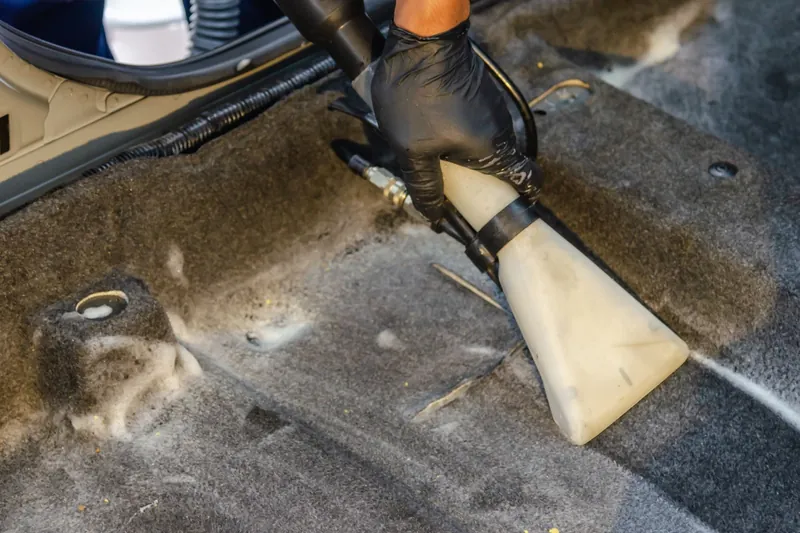
Biohazard carpet and upholstery cleaning, or safe removal when needed.
See biohazard carpet and upholstery cleaning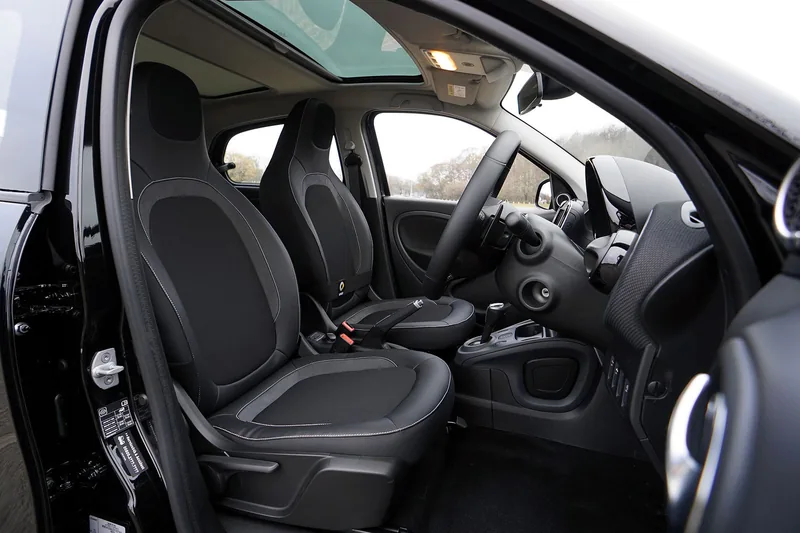
Cars, boats, trucks and RVs receive vehicle biohazard cleanup.
See vehicle biohazard cleanup
Commercial and industrial biohazard cleanup with minimal downtime.
See commercial and industrial biohazard cleanup
Outside teaching hours, biohazard cleanup treats daycare and school facilities.
See school and daycare biohazard cleanup
Biohazard cleanup addresses care homes, medical clinics and healthcare settings.
See hospital and healthcare biohazard cleanupSeek help for a major spill, an unidentified cause, possible infectious illness, multiple affected spaces or liquid that entered padding, carpet, mattresses, upholstery or concealed gaps. Professional cleanup is also appropriate in shared commercial spaces where employees, customers, guests or children could enter the affected area.
Vomit may qualify as biohazardous if it could contain blood or infectious organisms. Both the cause and location are important. If chemicals or other hazardous materials are also present, avoid contact and describe them when seeking help. A small spill from a known noninfectious cause on a sealed surface may be manageable with proper precautions. If illness is unknown, a major spill occurred or contamination entered a porous surface, the situation needs professional evaluation.
Odor is treated by removing all residue and any porous material that cannot be fully cleaned. The area is then cleaned, disinfected where appropriate, dried and checked again. Fragrance and deodorizing products cannot solve the problem by themselves. A returning smell can indicate residue is still beneath the floor, within furniture or somewhere else out of view.
Professional cleanup can help if vomit reached controls, ventilation openings, carpet pad, gaps in seats or spaces below trim. Reaching these areas is challenging, and odor can remain within them. Limit use of the affected seat or vehicle until it is assessed, especially when illness may be contagious or residue has spread beyond one surface.
The disinfectant must remain for as long as its label directs. Keep the treated surface visibly wet for the whole period in most cases, recognizing that exact timing changes according to disinfectant and target germ. First clear visible matter and clean the area, then use the product only on suitable materials while obeying every label instruction.
Yes, surrounding objects and surfaces can become contaminated when someone who has norovirus vomits. Keep everyone clear of the area and skip vacuums or pressurized spray, using a surface-compatible, EPA-registered product labeled against the germ instead. Obey every label direction for preparation, required wetness and the complete contact period.
Discreet, respectful vomit cleanup, 24 hours a day, with crews in unmarked vehicles.