
Infectious Disease Disinfection
Infectious disease disinfection with EPA-registered products and full surface coverage.
See infectious disease disinfectionGet high-touch surfaces cleaned and disinfected in a home, office, rental or shared space in Beach Park after illness or possible exposure. EPA-registered products are used according to their labels.
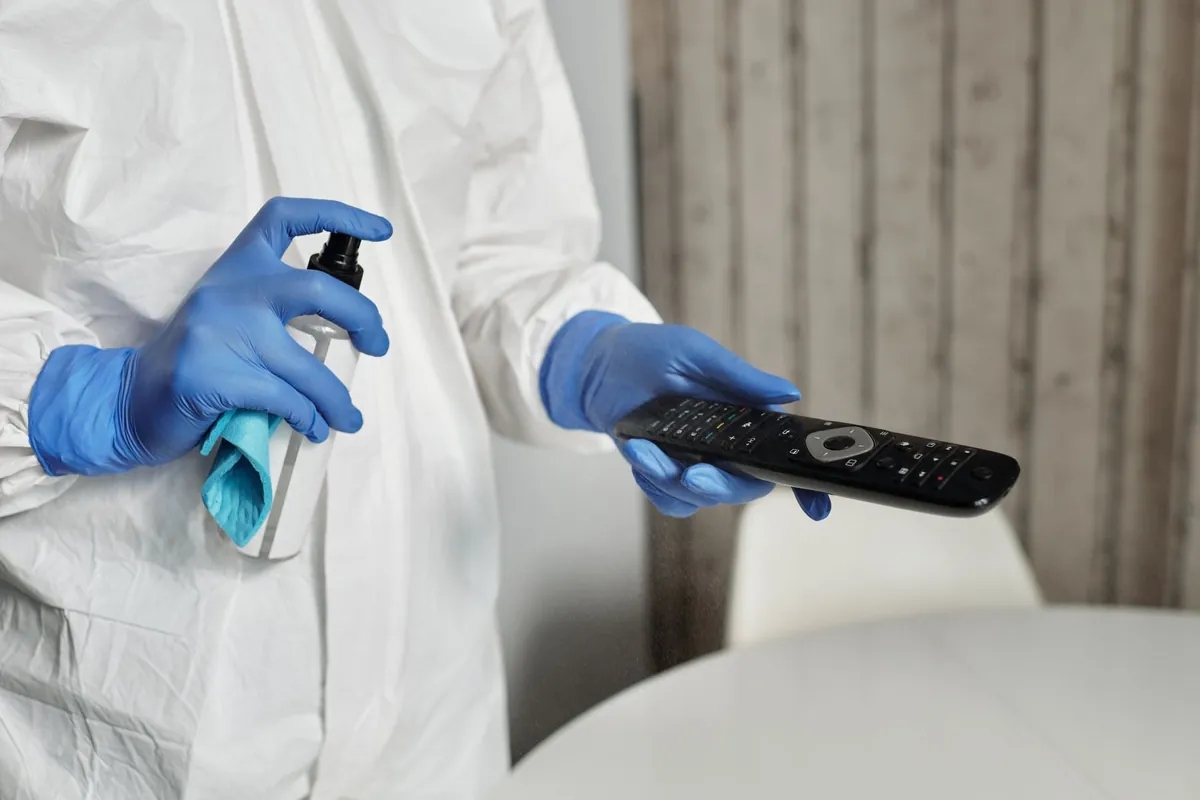
Targeted cleaning for affected rooms and commonly touched surfaces after suspected exposure or illness is known as COVID-19 and virus disinfection. Soil is removed before an EPA-registered disinfectant is applied and left for all of the contact time stated on its label.
The service can cover a home, office, school, restaurant, rental, care setting or other shared space. Trained technicians identify touch points such as door knobs, counters, light switches, desks, restroom fixtures and shared equipment. They also consider nearby surfaces that people may touch while moving through the property.
This work is sometimes called coronavirus cleaning, COVID-19 decontamination, biohazard decontamination, biohazard remediation or infectious disease cleanup. It is different from ordinary janitorial cleaning. Trained professionals use protective equipment, product instructions and a written scope so every step can be checked. The remediation process does not replace fresh air, building ventilation, handwashing or staying home when sick.

You can examine which special materials, rooms and surfaces the cleaning service will include before work begins. A clear scope helps you choose the right team.
Records identify the disinfectant and its label contact time, helping you understand what the property received so you can move forward on plans for reopening.
Instead of treating every situation alike, the scope can be adapted to a rental, restaurant, office, home or other shared setting.
When discretion matters for you or loved ones, technicians can come in unmarked vehicles while using protective gear and respecting personal property.
COVID-19 disinfection is most useful when you need a documented, room-by-room cleaning process after illness, an exposure concern or repeated use by many people. Common situations include:
Before regular use begins again, treatment can cover shared devices, desks, restrooms, break areas and meeting rooms.
Compatible surfaces in restrooms, dining spaces, service counters and back-of-house areas may be included while food and food-contact items are treated correctly.
Stores, gyms and public-facing businesses may need focused cleaning of counters, equipment and other repeated touch points.
Property owners can arrange cleaning for apartments, hotels or short-term rentals after a reported illness or before the next approved use.
Before technicians begin cleanup, keep people out and note clear details about the rooms in question. Start with these actions:
Call (888) 351-0904No individual COVID-19 price appears in the cost file that is available. Guides publishing comparable infectious disease disinfection costs give figures from $1,000 to $10,000. The specific scope varies with space size, germ type, rooms and surfaces involved, requested air-system work and any request for testing.
The figures shown are national ranges from published cost guides and are not based on an on-site visit. You learn what your property will cost after the on-site assessment and before any work begins.
Ask about cost: (888) 351-0904Whether coverage applies depends on the policy and why cleaning is required. Preventive coronavirus cleaning should not be assumed to qualify under business, renters or homeowners insurance. When circumstances permit, check with the insurance company before the work starts.
Routine disinfection may be treated as maintenance rather than a covered loss. Check whether proof of illness or another event covered by the policy leads to a different decision.
Save your invoice, photos, product list and cleaning scope. Keeping these records supports insurance assistance by showing insurance companies what cleanup you requested and what was completed.
A business owner should not depend on coverage before asking the insurance company about exclusions, required documents, deductibles and communicable disease language.
Who coordinates cleaning for the affected area in a rental or common space can depend on local rules, the lease and its location.
A controlled sequence guides coronavirus biohazard decontamination. Assessment comes first, followed by cleaning, disinfection and a concluding check. Each product label directs the complete process, including the method used on individual surfaces.
Before beginning, technicians examine high-touch spots, sensitive materials, room use and occupancy history with you.
When needed, technicians mark or close the cleaning zone and select protective equipment such as gloves and eye protection to suit the environment and products.
Dust and visible soil are removed first because dirt can keep disinfectant from reaching the surface evenly.
Compatible surfaces receive an EPA-registered disinfectant at the concentration and coverage directed by the label.
The treated surface remains wet for the label contact time rather than being sprayed and immediately wiped dry.
Shared electronics, unfinished wood and soft materials receive methods suited to the item instead of being soaked with a general spray.
Each room is reviewed against the checklist, paying close attention to switches, door pulls, shared equipment and fixtures.
You get the finished scope, details about the products and guidance covering ventilation, drying and when you may use the treated space.
Call at any time. A covid-19 and virus disinfection specialist answers, explains the steps and agrees a start time with you.
The main risks during disinfection come from illness exposure, chemical misuse and incomplete surface coverage. A careful plan limits avoidable contact and serious health risks without claiming that surface cleaning removes every route of transmission.
Shared tools, remote controls, faucet controls and door plates can easily be overlooked. A room-by-room checklist helps cover the full affected area.
A disinfectant needs to remain visibly wet for the time stated on its label. A disinfectant may not perform properly when it is wiped away before the required time.
Entering a recently occupied room can put cleaners near an ill person or contaminated items. Suitable protective gear and controlled access limit avoidable contact while cleaning takes place.
When a small blood spill is safe to clean yourself. Routine cleaning may be enough when no one is currently ill and the property has no special exposure concern. Professional cleanup can help you cover key touch points and follow product labels when known illness, sensitive materials, a large common space or a workplace requires a defined scope.
Virus disinfection usually treats surfaces rather than removing parts of the property. Compatible hard materials can be cleaned and disinfected. Porous belongings that are damaged or deeply soiled need a separate assessment.
A targeted residential cleaning may last several hours. A larger office or commercial property with multiple rooms may need more time, sometimes across stages. Required contact times, room count, furniture volume and surface compatibility all affect the schedule.
| Scene | Typical time on site |
|---|---|
| Focused home area | One scheduled visit is often enough for completion |
| More than one room or a modest worksite | A half day or longer may be necessary |
| Large or occupied commercial property | Frequently divided into stages based on access |
You cannot use odor to confirm cleanliness because neither a room with COVID-19 nor one with other viruses produces such a smell. Deodorizing, adding fragrance or applying fog alone does not replace cleaning soil, reaching high-touch surfaces and following disinfectant contact time.
Make a separate plan for air quality and odor instead of treating them as part of surface disinfection. Ventilation can remove product fumes following treatment. Staff at the building can check its filtration settings and outdoor air. When mold, sewage backup, water damage or some other source causes the smell, address it through separate cleanup or restoration services, not additional disinfectant.
A targeted residential cleaning may last several hours. A larger office or commercial property with multiple rooms may need more time, sometimes across stages. Required contact times, room count, furniture volume and surface compatibility all affect the schedule.
The full covid-19 and virus disinfection guide covers what is cleaned or removed, odor and air quality work, and the rules that apply in Lake County.
Read the full covid-19 and virus disinfection guideLocal housing, population and access details can shape containment, access and cleanup planning.
Because renter occupancy is 13.2%, cleanup discussions often can focus on the household without a separate property manager involved.
Homes with a median construction year of 1986 may contain layered renovations that hide affected materials beneath newer finishes.
With 25.3% of seniors living alone, private cleanup communication may need to include a relative who lives somewhere else.
At 84.3% single-family housing, cleanup boundaries may include attached garages, utility rooms, or storage areas beyond the main room.
Ask on the call about cleanup options for neighboring communities and ZIP codes.
Infectious disease disinfection with EPA-registered products and full surface coverage.
See infectious disease disinfection
MRSA, C. diff and norovirus cleanup for homes, care settings and gyms.
See mrsa, c. diff and norovirus cleanup
Commercial and industrial biohazard cleanup with minimal downtime.
See commercial and industrial biohazard cleanup
Biohazard cleanup addresses care homes, medical clinics and healthcare settings.
See hospital and healthcare biohazard cleanup
Workplace biohazard cleanup addresses offices after injuries or exposure incidents.
See office and workplace biohazard cleanup
Outside teaching hours, biohazard cleanup treats daycare and school facilities.
See school and daycare biohazard cleanup
Biohazard cleanup for hotels, Airbnb units and rental properties.
See hotel, airbnb and rental biohazard cleanup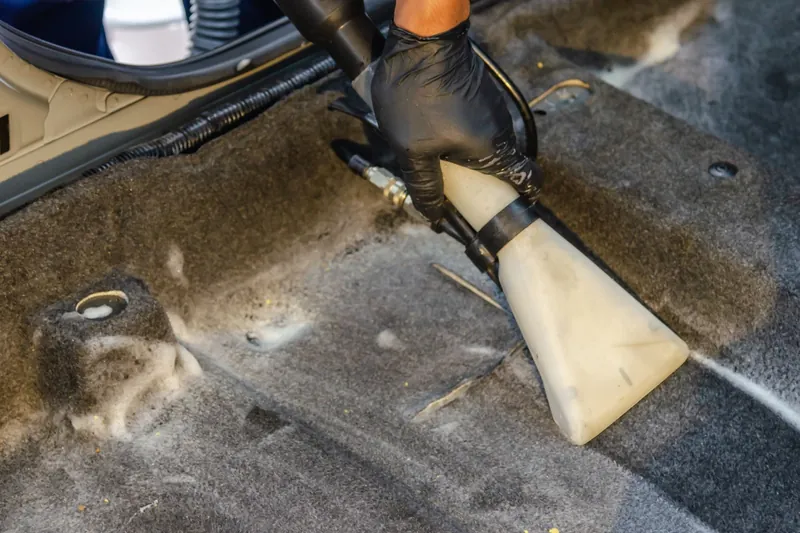
Biohazard carpet and upholstery cleaning, or safe removal when needed.
See biohazard carpet and upholstery cleaningFirst clean away visible soil, and afterward apply a surface-compatible, EPA-registered disinfectant for the target virus. Cover the surface fully and keep it wet for the contact time on the label. Never mix cleaning chemicals, ventilate according to directions and wear the protective equipment listed on the label.
Focus initially on touch points and rooms where the ill person spent time. Restrict access by other people, remove visible soil and follow product labeling to disinfect compatible hard surfaces. Follow the care instructions when washing suitable fabrics. For sensitive materials, large common areas or documented room-by-room scopes, a professional visit may be useful.
When water and soap are unavailable, an alcohol-based hand sanitizer can lower the amount of germs on your hands. With a product of at least 60 percent alcohol, cover every surface of your hands and rub until dry. Use hand sanitizer only on hands, never to disinfect furniture, rooms or electronic devices. Wash with soap and water when hands are visibly dirty.
Completion may take one visit when the home area is limited and focused. Cleaning a big commercial property, school or workplace may last longer or be split into stages. Access and room count influence timing along with furnishings, product contact time and delicate materials. Ask to see which areas the scope covers and whether any reentry directions apply.
Because the cause of COVID-19 is a biological agent, exposure precautions are called for when working around a known illness. Whether the setting also contains blood, regulated waste or bodily fluids shapes its exact cleanup category. Blood cleanup and hazardous waste removal are different tasks from routine disinfection of surfaces.
Because viruses are capable of causing disease, they can qualify as biological hazards. The level of risk depends on the virus, route of exposure, setting and task. Match the approach to disinfection with the hazard present. Protective equipment, access control, cleaning and an appropriate disinfectant all have roles, but no single step replaces the others.
Crews offer discreet and respectful covid-19 and virus disinfection, arrive in unmarked vehicles and take calls 24 hours a day.