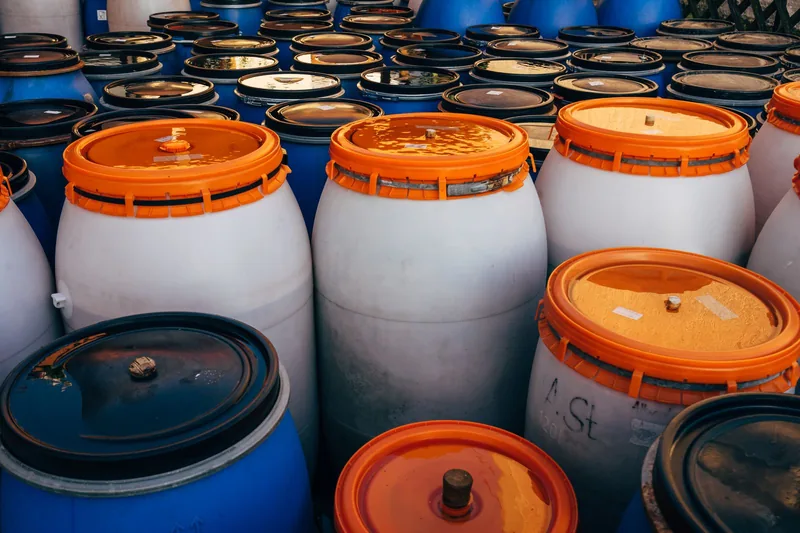
Hazmat Cleanup
Hazmat cleanup of hazardous materials with the right protective equipment.
See hazmat cleanupGet tear gas and pepper spray residue removed from a home, apartment, rental, vehicle or business after the property is released. Cleanup can include surfaces, contents, filters, vents and affected porous materials.
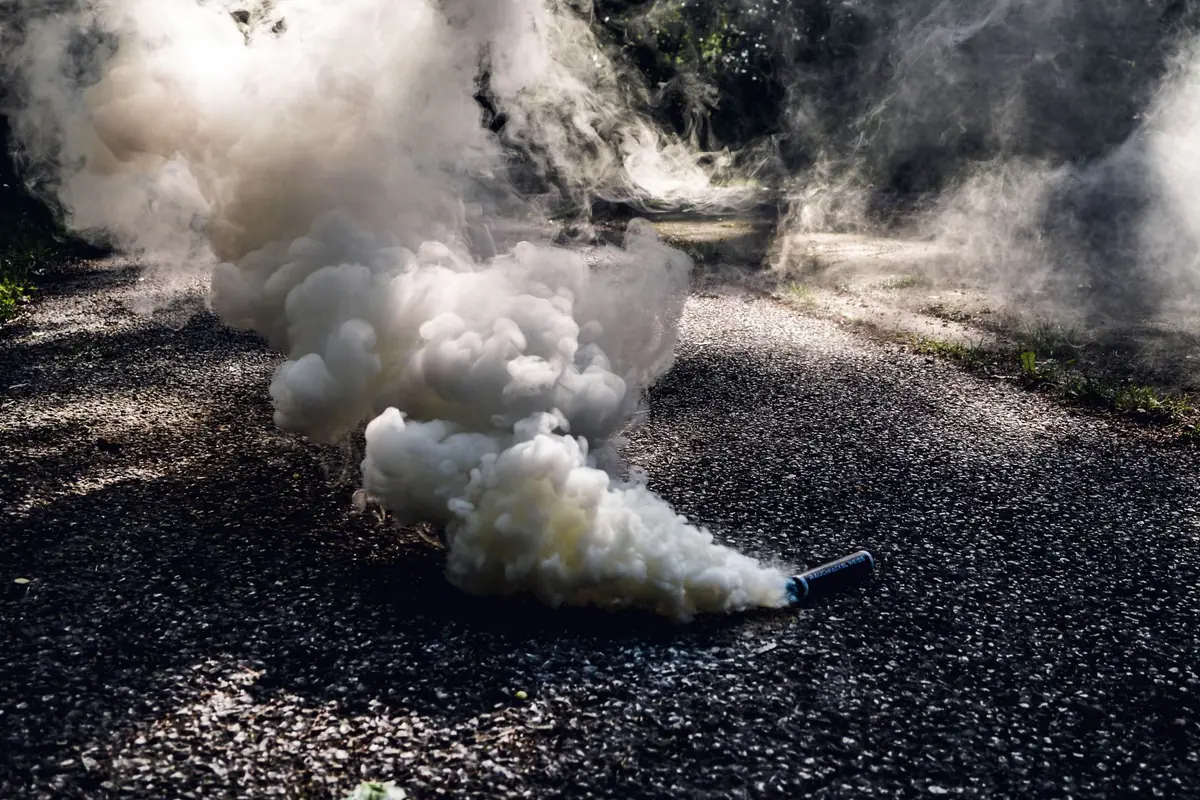
Tear gas cleanup is a controlled service that clears chemical irritant deposits following pepper spray use, a crowd-control event or law enforcement activity inside businesses, vehicles, rentals and homes.
Fine particles can stay on personal belongings, furniture, counters, flooring and walls even after visible smoke is gone. Nearby materials may also hold a film from pepper spray. Residue can reach places outside the original release when someone walks through the space, carries items away or turns on the air system.
Professional work begins by locating everywhere the irritant traveled and learning which product was released when that detail can be obtained. Protective equipment is worn by trained technicians who isolate work zones and take up loose residue. Compatible materials are washed in an orderly progression and cleaned again if contamination remains. Planning extends to the ventilation system, filters, ducts, soft goods and difficult-to-wash belongings. If the scene contains bodily fluids or blood as well, biohazard remediation may be included in the work.

Work zones and clean paths reduce transfer from the affected area into surrounding rooms while cleanup technicians move equipment and materials.
You can see which rooms, surfaces, contents and air-system parts are included before the cleaning process begins, which helps you compare the scope and choose the right team.
Calls are answered day and night, and crews arrive in unmarked vehicles to protect your privacy after a difficult incident.
Sorting personal property based on material and condition gives you clear decisions about cleaning, isolation and removal.
An occupied property or vehicle needs tear gas removal when irritant material settles indoors. Where that material moved determines the scope for each event. You may encounter situations such as:
Residue spread to nearby belongings and surfaces after self-defense spray was discharged in a living area, hallway or bedroom.
A store, office, warehouse or public building needs controlled cleaning before normal use can safely be considered.
An irritant released inside a car can settle on seats, carpet, trim, controls and ventilation surfaces in a confined cabin.
Law enforcement released a house or commercial space following a forced entry, standoff or other event involving an indoor chemical irritant.
Your first priority is to leave the exposure area and avoid spreading residue. Keep loved ones away, then share what happened with trained professionals. Take these steps before a cleaning service enters:
Call (888) 351-0904Published guidance at crimescenecleanup.com shows commercial property cleanup ranging from $10,000 to $50,000 in cost, small apartment work ranging from $1,500 to $4,000 in cost and a single-family home ranging from $3,000 to $10,000 in cost. No published range serves as a quote. Factors determining the final scope include building size, air-system involvement, affected material types, how long ago exposure occurred and the cleaning rounds that must be completed.
These ranges come from published national cost guides, not from a site visit. You learn what your property will cost after the on-site assessment and before any work begins.
Ask about cost: (888) 351-0904Insurance may cover tear gas cleanup, but the decision depends on the policy, the cause of the incident and any exclusions. Report the loss promptly and ask the insurance company for a coverage decision based on your specific claim.
A release connected to a qualifying crime may allow cleanup assistance, so ask whether you are eligible. Victims of violent crime can ask the Illinois Attorney General's Crime Victim Services Division whether cleanup costs can be included in a compensation claim. Insurance is usually checked first..
For rental property, the owner or property manager generally organizes the assessment and cleaning. Responsibility for the bill can depend on the lease, policy language and circumstances.
Store your property-release form and incident number with photos, the cleanup scope, material inventory, bills and waste paperwork. Your record may support insurance assistance so you can move forward on the claim.
Your insurer can explain whether the affected area closure allows coverage for residue cleaning, building-material damage, personal property, HVAC work and temporary accommodation.
From release of the property to a closing inspection, remediation takes place as a managed sequence. The work is planned around the rooms involved, the materials affected and the routes that building airflow may have carried residue.
The affected area, release location, residue paths, HVAC layout, exposed contents and incident damage are mapped by cleanup technicians.
Rooms needing containment, surfaces requiring cleaning, items to relocate, affected filters and possible material removal are documented in the scope.
Work zones are separated from clean spaces, and technicians use protective clothing, gloves, eye protection and respiratory protection suited to the site conditions.
Loose residue is collected with controlled methods that limit airborne dust. Cleaning progresses downward to the floor and inward from less affected edges toward the point of release.
Where materials permit it, walls, fixtures, cabinets, ceilings and floors undergo thorough wet cleaning. Cleaning rounds continue where visible film or irritation remains.
To avoid spreading residue or harming materials unnecessarily, technicians choose methods suited to each washable content item and hard-surface finish.
Operation of the air system during or after release calls for checking its accessible surfaces, filters, returns and supply vents.
The cleaned rooms, contents and connected areas are checked for missed residue, remaining odor and surfaces that need another cleaning pass.

Call at any time. A tear gas and pepper spray cleanup specialist answers, explains the steps and agrees a start time with you.
Tear gas and pepper spray residue can irritate your eyes, skin and breathing passages again when contaminated dust or materials are disturbed. Questions about serious health risks belong with a medical professional.
An unknown irritant cannot be neutralized safely by mixing chemicals found at home. Because chemical mixing may create another danger or damage materials, the method must be compatible with both residue and surface.
Residue on upholstery, clothing, carpet and other soft materials can transfer to hands and faces. You risk another exposure by handling those materials without suitable protective gear.
Open doors, foot traffic and an operating HVAC system can move residue beyond the room where it was released. The assessment should include nearby pathways and air returns.
When a small blood spill is safe to clean yourself. A brief outdoor exposure and an indoor release are different situations. Do not treat indoor tear gas residue as ordinary dust or rely on fragrance to hide it. Keep access closed and do not try DIY methods. Ask for a scope covering the air system, contents and surfaces.
Tear gas cleanup can require one or more work visits, and a responsible schedule comes from the site assessment. A limited hard-surface release is usually simpler than a multi-room property with porous contents or air-system involvement. Restoration services may follow if carpet, drywall or other building materials are removed.
| Scene | Typical time on site |
|---|---|
| Limited release on hard surfaces | A focused cleaning visit may be enough when the residue remained in a single area |
| Home with contents or HVAC involvement | Plan for area isolation, detailed surface work and repeat cleaning |
| Large commercial or multi-room property | A phased schedule lets technicians check one room before that area returns to use |
Before addressing odor, the deposited material needs to be removed. Paint, fragrance or opening the space briefly can mask the smell without taking particles off walls, fabrics, shelves and other contaminated surfaces. A faint odor alone cannot show that the area is suitable for use again.
Air quality work should be directed along the route contamination followed. Possible steps include replacing impacted filters, using controlled ventilation, cleaning around supply vents and returns and addressing dust on air-system surfaces that can be accessed. HEPA air cleaning can play a supporting role. It cannot take the place of surface cleaning or removal of affected materials.

While the event is ongoing or evidence work continues, law enforcement decides who may enter. Wait for release before entering, moving property or starting cleaning.
Available canister labels, product details and safety information help identify the irritant and choose methods compatible with each surface. Do not touch a device to read it.
Both the residue and affected material determine how the waste is classified. Whether removed items count as hazardous waste, and which waste disposal route applies, depends on local regulations. Illinois treats soaked materials from a biohazard scene as potentially infectious medical waste (PIMW). Illinois EPA rules control how it is packed, transported and treated, so it cannot go in household trash.
Federal worker protection, handling and training rules for cleanup involving bodily fluids or blood appear in the OSHA Bloodborne Pathogens Standard, 29 CFR 1910.1030 as applied to cleanup.
Tear gas cleanup can require one or more work visits, and a responsible schedule comes from the site assessment. A limited hard-surface release is usually simpler than a multi-room property with porous contents or air-system involvement. Restoration services may follow if carpet, drywall or other building materials are removed.
The full tear gas and pepper spray cleanup guide covers what is cleaned or removed, odor and air quality work, and the rules that apply in Illinois and Cook County.
Read the full tear gas and pepper spray cleanup guide
Local housing, population and access details can shape containment, access and cleanup planning.
Auburn Park is listed about 1.5 miles from St Bernard Hospital, a relevant distance when prompt evaluation follows a biohazard exposure.
The two listed hospital options begin with St Bernard Hospital at about 1.5 miles, followed by The University Of Chicago Medical Center for another care location.
Auburn Park is near New Auburn, Chester Highlands, and South Park Manor Historic District, which can matter when family members are arriving from surrounding communities.
In Auburn Park, identifying the correct building entrance can reduce unnecessary movement through shared spaces during a sensitive cleanup.
Your phone conversation can include questions about service in nearby ZIP codes and communities.
Hazmat cleanup of hazardous materials with the right protective equipment.
See hazmat cleanup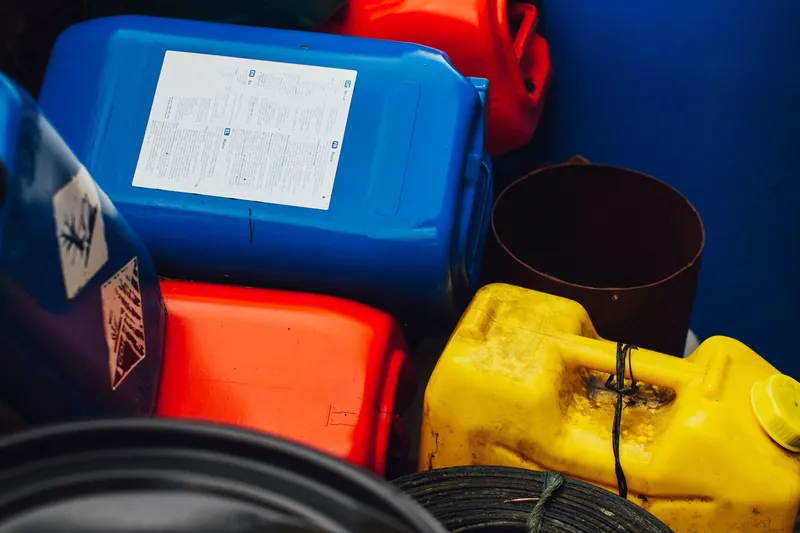
Safe disposal is included with chemical and toxic waste cleanup.
See chemical and toxic waste cleanup
After police release the property, crime scene cleaning addresses blood and odor.
See crime scene cleanup
Full decontamination of rooms, surfaces and air after infectious or hazardous exposure.
See biohazard decontamination
Commercial and industrial biohazard cleanup with minimal downtime.
See commercial and industrial biohazard cleanup
Biohazard cleanup for hotels, Airbnb units and rental properties.
See hotel, airbnb and rental biohazard cleanup
Vehicle biohazard cleanup for cars, trucks, boats and RVs.
See vehicle biohazard cleanup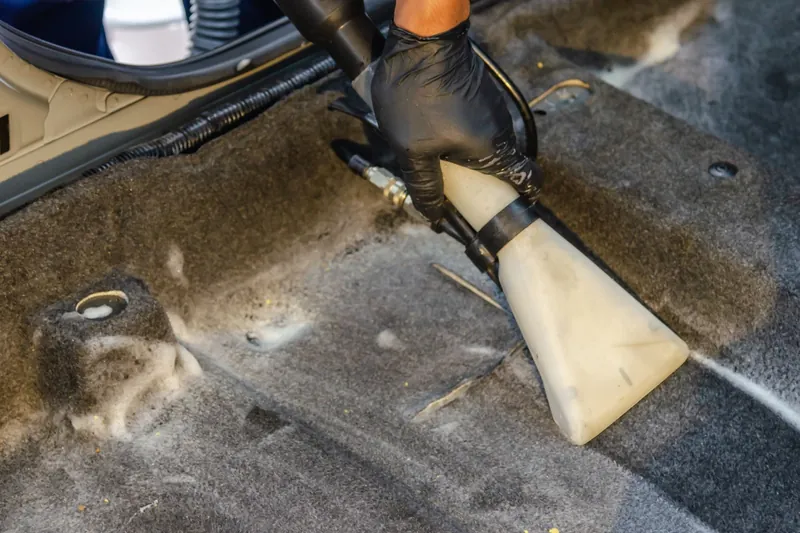
Carpet and upholstered items receive biohazard cleaning or are removed safely if necessary.
See biohazard carpet and upholstery cleaningLimited exposure outside does not create the same situation as a release within a building. Home cleanup methods such as sweeping, standard vacuuming or relocating textiles may distribute residue. Cleaning indoors may cover walls, overhead surfaces, personal belongings, HVAC components and materials unsuitable for washing. A professional assessment gives you a defined affected area and cleaning process before work starts.
No one home-made mixture can safely neutralize all tear gas products across every kind of material. Keep powders off floor surfaces and do not combine different cleaners. During professional cleanup, technicians locate exposed areas, remove loose residue, clean washable materials, evaluate soft items and inspect possible HVAC travel paths. Technicians may need to clean affected surfaces repeatedly.
Porous materials such as carpeting, drapes and upholstery may hold settled residue. Separate cleaning is possible for certain washable contents. Materials with extensive contamination may instead require removal. The choice reflects what the item is made of, its current state, the exposure and whether cleaning can reach deposits safely without spreading them or destroying the item.
Move to fresh air, avoid rubbing your eyes and follow instructions from emergency or medical personnel. You should remove contact lenses only when doing so is straightforward. Get urgent medical help for severe pain, vision problems, breathing trouble or symptoms that do not improve. Property cleanup should wait until the exposure emergency is over.
How long work takes is shaped by the number of affected spaces, HVAC use, volume of personal property and need for repeat cleaning. Cleaning a small release on solid surfaces can take less time than treating several rooms or a commercial site involving HVAC equipment, carpeting and upholstery.
Move outdoors into fresh air after exiting the affected area. Children and pets must stay away. Never touch the canister, and do what emergency personnel tell you. Call 911 when you face severe breathing problems or another medical emergency. If police control the property, wait for formal release before arranging tear gas cleanup or moving belongings.
You can request respectful, discreet tear gas and pepper spray cleanup 24 hours a day, and crews use unmarked vehicles.