Accident and Injury Scene Cleanup
Injury and accident scene cleanup covers workplaces, homes and public spaces.
See accident and injury scene cleanupGet blood, bodily fluids, contaminated materials and odor addressed after an accident, injury or violent event in Armour Square. Trauma scene cleanup begins after officials release the property.

This professional biohazard work is trauma scene cleanup when a violent event, serious injury or accident leaves hazardous material, blood or bodily fluids. The affected setting may be a vehicle, public building, workplace or home.
Law enforcement must finish its duties, as must emergency response personnel, before the scene is released and work starts. Technicians then locate affected spaces and establish boundaries. Materials that cannot be disinfected are removed, while surfaces that remain are cleaned. Trauma cleaning, biohazard remediation and trauma scene cleaning are other names for this process.
Unlike ordinary cleaning services, professional cleanup tracks where blood has traveled beyond visible staining. It can reach wall cavities, unfinished wood, seams, subfloor and padding beneath carpet. Work therefore continues along that route. The complete job may include packing hazardous waste, addressing air quality and odor, and organizing insurance company records.
Cleanup needs vary with every situation. Every step receives an explanation from the right team, which also protects personal property where possible and distinguishes trauma cleanup from restoration services like replacing drywall or flooring.

You hear what is affected, what may stay, what needs removal and which conditions change the scope before cleanup moves forward.
When safe recovery or cleaning is possible, meaningful possessions are set aside and reviewed with you.
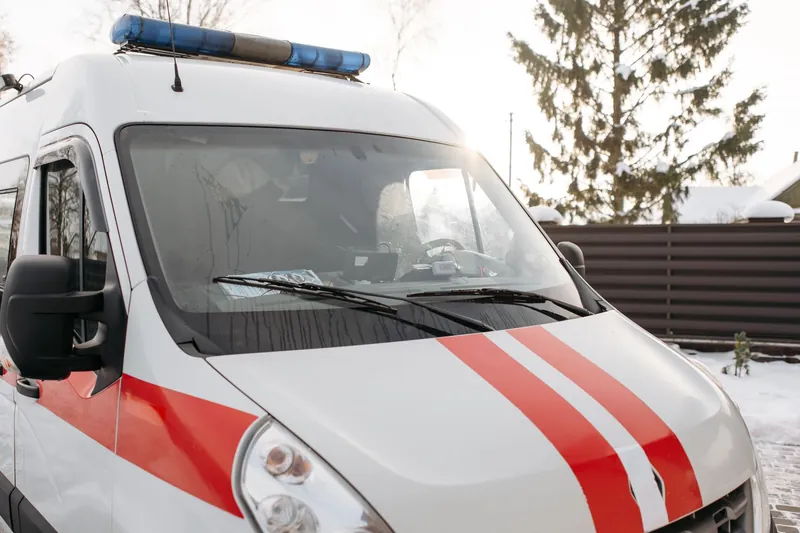
Crews arrive in unmarked vehicles, and the work area is kept controlled so you can protect your privacy during a difficult time.
Insurance companies, landlords and property managers may use photographs, scope documents and available disposal records during their discussions.
Trauma cleaning services are appropriate when an event leaves a biological hazard that ordinary household cleaning cannot fully reach. Common situations include:
Private cleanup keeps loved ones from facing the physical scene and treats the affected room with care. Anyone in immediate emotional danger should call or text the 988 Suicide and Crisis Lifeline.
Blood from a fall, equipment injury or another accident may reach hard surfaces as well as gaps, fabrics and machinery.
After an unattended death, bodily fluids, contaminated materials and odor may reach beyond where the person was found.
Hotels, shops, workplaces and rental units can require waste disposal, records for claims and controlled scene cleaning ahead of restoration.
Your first task is to protect people, preserve any active investigation and avoid spreading contamination. Take these steps before trauma cleaners enter:
Call (888) 351-0904Published trauma cleanup guides show a broad span because a small affected area is very different from a scene involving several rooms or structural materials. A biohazard cleanup company cost guide lists trauma scene cleanup at $2,500 to $7,500. PushLeads lists trauma and accident cleanup at $1,500 to $5,000; an Afterhazard pricing guide publishes a wider span of $500 to $8,000. The actual scope depends on the site assessment.
Published national cost guides are the source for these ranges, rather than an inspection of your property. After an on-site assessment, the price for your property is determined and shared with you before cleanup begins.
Ask about cost: (888) 351-0904Homeowners, renters or commercial property insurance may cover trauma scene cleanup when the event qualifies under the policy, but coverage, deductibles and documentation requirements vary.
A property manager or business owner may report the event through the applicable policy and ask what scope records, photographs and invoices to submit.
Who arranges payment may depend on the lease, insurance coverage and where the incident occurred. Check with both the owner and insurance company prior to authorizing non-urgent restoration.
Victims of violent crime can ask the Illinois Attorney General's Crime Victim Services Division whether cleanup costs can be included in a compensation claim. Insurance is usually checked first.
Check with the insurance company about the specific event, including biohazard cleanup, contaminated material removal, restoration and personal property.
The trauma scene cleaning process moves from assessment to source removal, disinfection and final documentation. The exact scope changes with the event, materials and number of affected areas.
Trained technicians identify visible and possible contamination, note material types and define the work area without disturbing anything still controlled by officials.
Barriers and controlled entry paths limit movement into surrounding areas. The hazards determine which personal protective equipment cleanup technicians wear.
Potentially recoverable items are separated from contaminated materials. When conditions permit, you can discuss meaningful belongings before anyone removes them.
Porous materials such as upholstery, carpet and pad, drywall or raw wood require removal when bodily fluids soak in beyond the reach of complete disinfection.
Surfaces that remain are cleaned, then treated with an EPA-registered disinfectant kept in place for the full contact time on its label. Initial cleaning allows disinfectant to contact the surface.
Contaminated debris and used supplies are packaged, marked and moved for disposal according to the waste rules that apply in the location.
After the source is gone, HEPA air filtration and other odor treatments may be used when particles or odor remain in the work area.
The finished scope, photos and available waste records can be organized for property owners, insurance companies or property managers.

Call any hour. A specialist in trauma scene cleanup takes your call, walks you through the process and confirms when work can start.
Trauma scenes may pose serious health risks. Sharp objects, bloodborne pathogens and hazards hidden within porous materials can all go unnoticed.
Distress can increase if you clean the place in which your loved one was injured or died. Many property owners choose trained professionals so family members do not have to do the work.
Used protective equipment, cleaning supplies and porous materials taken out of the area may require specific packaging and disposal under applicable biohazard waste rules.
Bodily fluids can spread behind compromised finishes and below baseboards, or soak past carpet into padding and the subfloor. Cleaning only what you see can allow contamination to remain.
When a small blood spill is safe to clean yourself. A very small spot of blood on a hard, non-porous surface may be cleaned with disposable gloves and an EPA-registered disinfectant used for the full contact time on its label. Use professional trauma cleanup if you cannot define the affected boundary, blood covers more than a small area, the surface is porous or sharp objects are involved.
A non-porous item may remain when every affected surface can be reached and disinfected. A porous item may need removal when blood or bodily fluids have soaked beyond the surface.

When occupational contact with blood is possible, the OSHA Bloodborne Pathogens Standard, 29 CFR 1910.1030, governs workplace practices, training, protective equipment and exposure controls.
A disinfectant should be registered by the EPA for the intended use and remain wet for the full contact time stated on its label.
Illinois treats soaked materials from a biohazard scene as potentially infectious medical waste (PIMW). Illinois EPA rules control how it is packed, transported and treated, so it cannot go in household trash.
In Cook County, the Cook County Medical Examiner's Office investigates sudden and unexplained deaths. Cleanup starts after police or the medical examiner release the scene.
A reliable time frame requires an assessment first. Duration depends on how large the affected area is, what materials are involved, whether odor is present and what waste must be removed.
The full trauma scene cleanup guide covers what is cleaned or removed, odor and air quality work, and the rules that apply in your state.
Read the full trauma scene cleanup guideLocal population patterns, housing and site access may affect how containment and cleanup are planned.
Armour Square is listed about 0.2 miles from Insight Hospital And Medical Center Chicago, a relevant distance when prompt evaluation follows a biohazard exposure.
The hospital list for Armour Square starts with Insight Hospital And Medical Center Chicago around 0.2 miles away and includes Mt Sinai Hospital Medical Center as another option.
Connections to South Commons, Bridgeport, and Chinatown make a precise address important for coordinating cleanup access without unnecessary neighborhood attention.
The Cook County location helps orient travel, while the neighborhood and full address identify where private cleanup work actually occurs.
Ask on the call about cleanup options for neighboring communities and ZIP codes.
Injury and accident scene cleanup covers workplaces, homes and public spaces.
See accident and injury scene cleanup
Walls, carpets, furnishings and hard floors receive blood cleanup, with safe disposal afterward.
See blood cleanup
Bodily fluid cleanup and disinfection for homes, care settings and businesses.
See bodily fluid cleanup
After police release the property, crime scene cleaning addresses blood and odor.
See crime scene cleanup
Careful, private suicide cleanup keeps family members from having to confront the scene.
See suicide cleanup
After investigators leave, homicide cleanup removes contaminated materials along with tissue and blood.
See homicide cleanup
Cleaning a home after someone dies, including fluids, odor and affected belongings.
See death cleanup
Contamination is cleared through biological remediation, returning the space to safe use.
See biohazard remediationBiological contamination left by violent events, deaths, major injuries and accidents falls within trauma cleanup. When an investigation or criminal incident is part of the situation, the related service may be called crime scene cleanup. Either service may use EPA-registered disinfectants, containment and odor treatment after release, along with porous material removal, blood cleanup and controlled waste disposal.
A qualifying event can allow a homeowners policy to cover the related trauma cleanup. Coverage does not apply automatically to all losses. When conditions permit, contact the insurance company before work begins to describe the loss, check coverage for biohazard cleanup and restoration, and record documentation and deductible requirements.
Published guides show broad variation. Trauma scene cleanup appears at $2,500 to $7,500, in one biohazard cleanup company cost guide, compared with $500 to $8,000 in the Afterhazard pricing guide. Your specific scope depends on blood quantity, affected materials, room count, waste disposal and any odor work.
Keeping them is possible only if contamination never reached absorbent layers and all affected surfaces are accessible for disinfection. Blood can remain below the surface after entering upholstery fill, furniture seams, raw wood or the pad beneath carpet. You can discuss personal property that matters while trauma cleaners assess every item.
The policy, its exclusions and your deductible determine whether property insurance pays part of the covered cleanup and restoration costs. A homeowner or renter may not have the same coverage as a business. The adjuster can explain required claim records and whether personal property, odor treatment, removal of contaminated materials and waste disposal are addressed.
Although you may need to allow entry, point out meaningful items and approve the scope, you usually are not required to observe the cleaning process. Ask how updates will be shared and who can make decisions if you leave. Keep yourself, children, animals, staff and guests outside the controlled area.
Crews offer discreet and respectful trauma scene cleanup, arrive in unmarked vehicles and take calls 24 hours a day.