Homicide Cleanup
Once the investigation ends, contaminated materials, blood and tissue are cleared during homicide cleanup.
See homicide cleanupGet blood, body fluids, fingerprint powder and odor removed from a home, apartment, rental or business in Arcade Row once police release the property. Most crime scene cleanups take one to three days.
Crime scene cleanup, also called forensic cleaning or trauma scene cleanup, is the removal of blood, body fluids, tissue and contaminated materials after a violent crime, then disinfection and odor removal so the property is safe to use again.
The investigation comes before any cleaning. Detectives, police and the medical examiner remove the deceased and collect evidence, but cleanup is not part of their role. After release, responsibility for the scene passes to the family, landlord or property owner.
Every trace of blood is treated as infectious by a forensic clean up crew. These workers are also known as forensic or crime scene cleaners. They follow its path, take out materials that cannot be disinfected, treat and clean all surfaces, then transport hazardous material according to medical waste rules. This complete work is a type of biohazard remediation.

The cleaning plan and pricing factors are explained in advance, helping you decide what suits your household.
Daytime and nighttime calls are answered, and crews come in unmarked vehicles so the event remains discreet around neighbors.
Your documents, photographs and keepsakes are separated for you to check, and nothing is discarded without your permission.
Photos, scope and waste records are ready for insurance companies and landlords, so you can move forward.
You may need crime scene cleaning services whenever blood or body fluids remain after a violent event. Typical situations include:
A fall can leave blood on walls and ceilings, with saturation reaching carpet and subfloor.
Discreet cleaning keeps relatives from having to enter the affected space.
Fingerprint powder can cover the property alongside damaged doors and glass affected by blood.
Commercial crime scene cleanup reduces closure time at stores, offices and warehouse properties.
The first hours matter for your health, your insurance claim and the final cost. Before the cleanup technicians arrive:
Call (888) 351-0904According to published cost guides, a residential crime scene cleanup most often costs from $1,500 through $7,500. Crime scene cleanup companies commonly price the full job, not each hour. Limited surface blood may mean a lower cost, while subfloor contamination or several affected rooms can push the bill past $10,000. Final pricing follows an on-site assessment.
Published national cost guides are the source for these ranges, rather than an inspection of your property. You learn what your property will cost after the on-site assessment and before any work begins.
Ask about cost: (888) 351-0904In many cases, yes. Homeowners and renters insurance often covers crime scene cleanup as a sudden and accidental loss, minus your deductible.
Most homeowners and renters policies treat a violent crime as a covered event. File the report soon, then record the number for your claim.
In rental units and common areas, the owner usually arranges and pays for crime scene cleanup.
Victims of violent crime can ask the Illinois Attorney General's Crime Victim Services Division whether cleanup costs can be included in a compensation claim. Insurance is usually checked first.
Confirm your biohazard cleanup coverage, your right to select a cleanup company, and which documents or pictures your adjuster requires.
Every crime scene is different, but the crime scene cleanup process, often called the remediation process, follows the same safe order through the entire process, from the first walk-through to the final inspection.
You or your representative walks through the area with technicians, who document it in photos and settle the scope before cleaning begins.
The affected area is sealed with plastic sheeting and negative air, and technicians wear full personal protective equipment.
Soaked carpet, pad, drywall, mattresses and furniture are cut out, bagged and sealed as medical waste.
All surfaces receive cleaning followed by an EPA-registered hospital-grade disinfectant that stays wet for the full contact time.
Air scrubbers, hydroxyl generators or ozone treat odor at the source, and HVAC vents are checked.
Paperwork follows each closed container through delivery to a permitted facility for medical waste.
ATP tests may verify surface cleanliness, while photographs and documentation support your insurance claim.
Your own contractor or a vendor selected by your insurer can reinstall the flooring and drywall that were taken out.

Call any hour. A specialist in crime scene cleanup takes your call, walks you through the process and confirms when work can start.
Serious health risks can come from blood and bodily fluids, including contamination beyond what you are able to see.
Blood can enter grout, flow beneath baseboards and pass through carpet to padding and subfloor. Cleaning only the surface misses contamination, allowing bacteria and smells to return.
Materials that are saturated become regulated medical waste. They must be taken to an authorized treatment site instead of a dumpster or household garbage.
Hepatitis C, HIV and hepatitis B may exist in blood. Even if blood seems dry, the CDC says hepatitis B may live on a surface for at least seven days.
When a small blood spill is safe to clean yourself. With gloves and disinfectant registered by the EPA, you can clean a few fresh blood drops from a solid, non-porous surface. Professional cleanup is needed when you cannot identify the spill edges or when contamination reaches wood, drywall, carpeting or fabric.
The rule is simple: if a material can be fully disinfected, it is cleaned. If blood soaked into it, it is removed.

Most crime scene cleanup work requires one to three days at the property. A small scene that happened recently may take one day, but a heavy scene requiring structural removal can last two to five days.
| Scene | Typical time on site |
|---|---|
| Light scene, one area | Often one to two days |
| Standard scene affecting one to two rooms | Often one to three days |
| Several affected rooms or a subfloor removal | Often two to five days |
Removing the source is the first step in odor removal. Fragrance sprayed onto blood or tissue merely covers the odor for a few days.
The cleanup team can address the air after taking out contaminated materials. HEPA air scrubbers capture particles, while hydroxyl generators are safe to operate with people in the space. For persistent odor, ozone treatment can be used in vacant rooms. Thermal fogging reaches fabrics and cavities inside walls, and checking HVAC ducts keeps smell from traveling to other rooms.

Most crime scene cleanup work requires one to three days at the property. A small scene that happened recently may take one day, but a heavy scene requiring structural removal can last two to five days.
The full crime scene cleanup guide covers what is cleaned or removed, odor and air quality work, and the rules that apply in your state.
Read the full crime scene cleanup guidePlanning for access, containment and cleanup can depend on local population, housing and entry conditions.
Knowing that Roseland Community Hospital is about 0.8 miles away helps households plan where to seek care before arranging scene cleanup.
Urgent medical evaluation can be sought at Roseland Community Hospital, listed 0.8 miles away, with Advocate Trinity Hospital shown as an additional facility.
Arcade Row is near The Cottage, Pullman, and Honeymoon Row, which can matter when family members are arriving from surrounding communities.
Properties within this Chicago neighborhood may share alleys, entries, or parking, so equipment movement should be planned around nearby residents.
During your call, ask whether cleanup is available in surrounding communities and ZIP codes.
Once the investigation ends, contaminated materials, blood and tissue are cleared during homicide cleanup.
See homicide cleanup
Suicide cleanup is completed privately and with care, protecting families from seeing the scene.
See suicide cleanup
Trauma scene cleanup after accidents, injuries and violent events.
See trauma scene cleanup
Walls, carpets, furnishings and hard floors receive blood cleanup, with safe disposal afterward.
See blood cleanup
When a death remains undiscovered for days, cleanup addresses decomposition and controls odors.
See unattended death cleanup
Air scrubbers, hydroxyl and ozone treatment support death odor removal at its source.
See death odor removal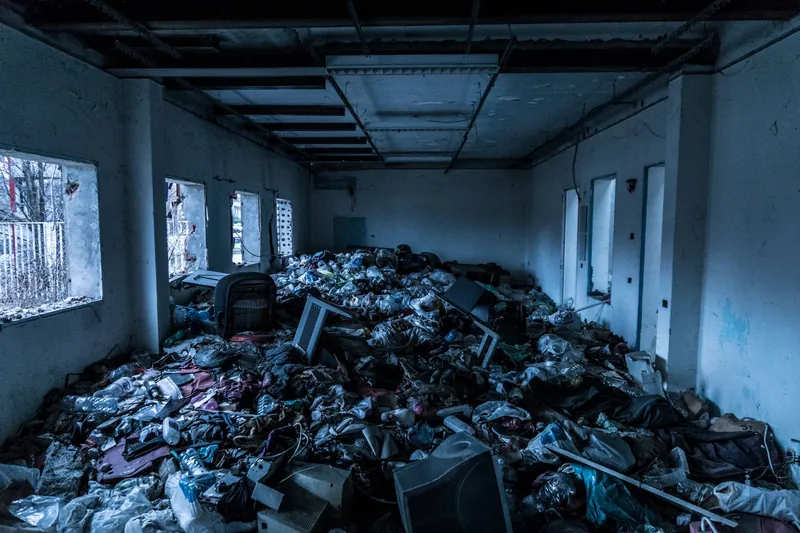
Deep cleaning, respectful sorting and removal are all part of hoarding cleanup.
See hoarding cleanup
Raw sewage cleanup of Category 3 black water, with disinfection and drying.
See raw sewage cleanupCleaning crime scenes follows a set cleaning process: seal off the area, remove soaked materials, clean and disinfect every surface, treat odor and dispose of the waste as medical waste.
On-site work lasts one to three days for most scenes. A minor scene may need a day, while an extensive job involving subfloor removal may require up to five days.
For most residential crime scene cleanup, published pricing guides show a range between $1,500 and $7,500. Limited surface cleaning can fall below the usual range, and major multi-room scenes can cost more than $10,000.
Many homeowners and renters policies cover it as a sudden loss, minus the deductible. Call your insurer, report the event and ask about biohazard cleanup coverage.
Yes. Dried surface blood can hold certain viruses, including hepatitis B, for multiple days. Use the same precautions for dry and fresh blood.
Crime scene cleanup is also known as biohazard remediation, forensic cleaning, trauma cleanup or forensic clean up. The people doing this work are known as forensic cleaners and crime scene cleaners.
Respectful, discreet crime scene cleanup is available 24 hours a day, and crews arrive in unmarked vehicles.